2026 TikTok Cultural Collectibles: Entry Requirements
Title Option 1: 2026 TikTok Cultural Collectibles: Entry Requirements & Pitfalls
Title Option 2: TikTok Cultural Collectibles Entry Requirements 2026: What Sellers Keep Getting Wrong
Title Option 3: Why TikTok Cultural Collectibles Requirements Trap Most Sellers in 2026
2026 TikTok Cultural Collectibles: Entry Requirements
Since late last year, I've spoken with over twenty studios eager to crack TikTok's cultural collectibles niche. Traffic didn't scare anyone off—but the vague nature of TikTok cultural collectibles entry requirements stopped more than half of them cold. Many assumed they could list bracelets or carved walnuts under Jewelry and call it a day. Instead, their live stream had just gained traction when risk controls kicked in, products got delisted, and their store scores tanked. This isn’t an edge case. It’s the new normal now that 2026 platform rules tightly link physical goods to verifiable qualifications.
Why TikTok’s 2026 Entry Requirements Treat Cultural Collectibles as a High‑Risk Category
Let’s get one thing straight: in 2026, TikTok Shop no longer evaluates cultural and handmade items by broad category alone. Cross‑border sellers used to lump cultural collectibles into Home & Garden or Jewelry, but internally the platform now routes them through a semi‑independent review channel. Two factors make this category sensitive. First, material authenticity—think sandalwood, agarwood, or amber—is notoriously difficult to verify remotely and fuels cross‑border disputes. Second, some collectibles involve wildlife-derived materials, triggering customs red flags across multiple countries. The first invisible hurdle you face with TikTok cultural collectibles entry requirements isn’t about whether you *can* sell, but whether the system even recognizes your goods as compliant collectibles.
In 2026, the most common rejection reasons I observe are “product does not match category” and “missing industry permits.” That means picking the right category isn’t enough. You need to proactively submit supporting documents that build trust with the review team: legitimate material authentication certificates, photos or videos of the handcrafting process, even a brand story document. None of these are listed as mandatory in the official handbook, yet they form the submission package with the highest approval rate right now.
The Three Most Costly Qualification Pitfalls I’ve Seen (From Registration to Going Live)
Instead of theory, let’s walk through three real‑world missteps you won’t find in any public documentation.
- Business license mismatch. Many domestic cross‑border sellers apply using an “e‑commerce limited company” whose business scope only lists “craft sales” without explicitly including “retail of arts, crafts, and collectibles.” The 2026 algorithmic review instantly flags this as “scope mismatch” and bumps the case to manual review, which can stall you for 7–10 business days. Worse, individual studios using sole proprietor licenses may be asked to provide photos of their physical operating premises—something almost nobody expects.
- Product image traps. When you upload cultural collectible items, the system automatically scans the first image for texture details and material consistency. For bead bracelets, the background must be solid‑colored with zero filters. For walnuts or olive pit carvings, you have to clearly capture natural wear marks. One studio had their reach throttled just because they applied a slight warm tone to the photo, which the system interpreted as “retouching that beautifies the material.” These are unwritten rules learned purely through trial and error.
- Security deposit shortfalls. In 2026, cultural collectibles fall under “non‑standard high‑value categories.” Certain subcategories, like “antique miscellaneous items,” now carry a deposit threshold of RMB 20,000 (or equivalent in foreign currency). Many sellers pay only the standard RMB 2,000 during onboarding, then as soon as a listing goes live they trigger an “insufficient deposit” alert and their store freezes. Cross‑border currency fluctuations can also inflate the actual amount held beyond what the page displays, so keeping an extra 15% buffer is a smart move.
Why Compliance Status Matters 10x More Than Follower Growth
TikTok’s 2026 algorithm distributes traffic for cultural collectibles based on one foundational logic: account trustworthiness weighs far heavier than entertainment value. Even if your videos go viral, an under‑the‑hood store compliance state that fails the platform’s silent re‑reviews will keep your hit content out of the recommendation pool. Some teams take a shortcut during entry, submitting purchased template dossiers. It might pass at first, but when the routine three‑month re‑review detects logical gaps in business registration, address, or operator identity, the entire store’s authority gets reset and all follower accumulation disappears.
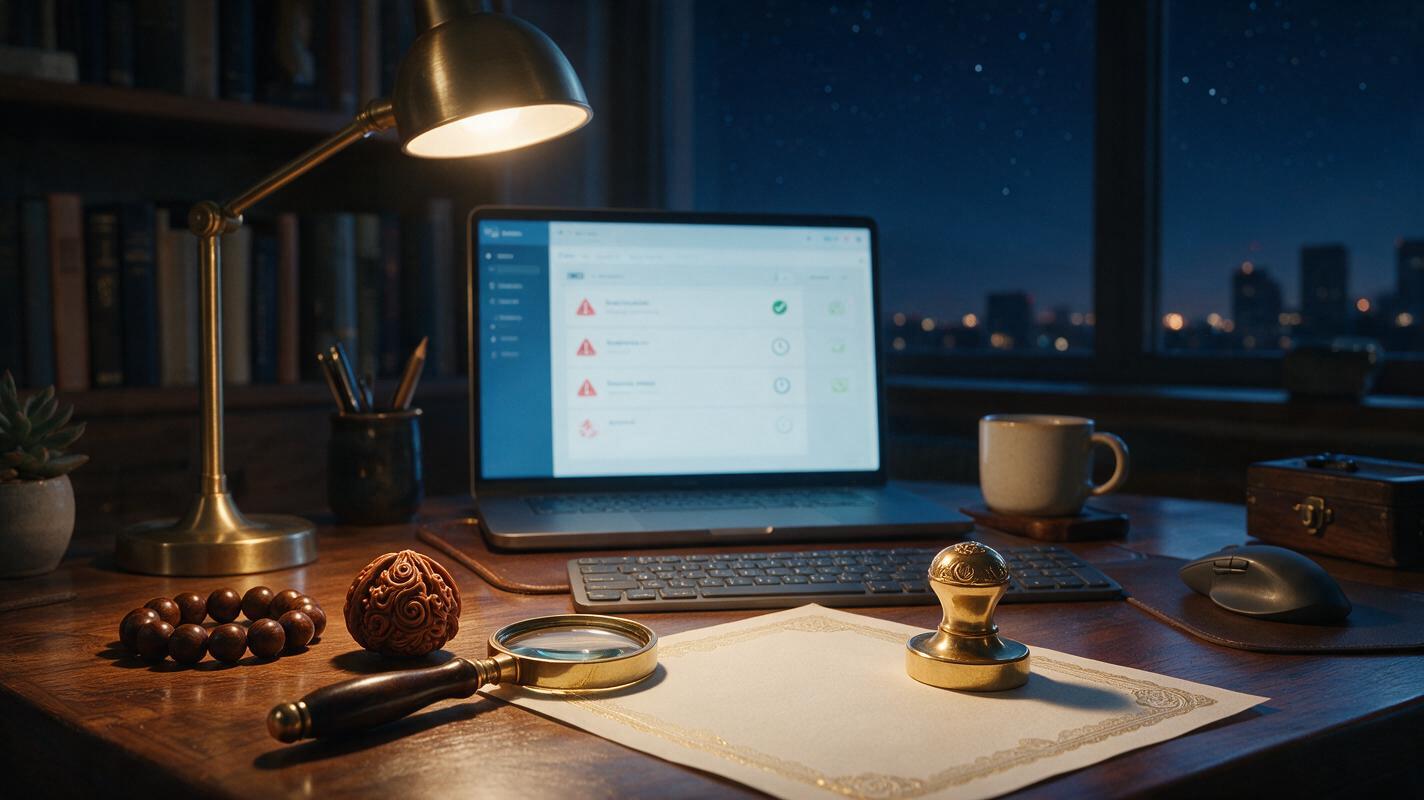
That’s where a sound compliance path makes a real difference. Platforms like Getfollow don’t just “stamp paperwork”—they pre‑align material provenance, crafting process documentation, and your TikTok account entity information so that every product’s underlying data stays clean during manual spot checks. From what I’ve observed, the core value here is that onboarding becomes an iterable compliance framework, not a pile of disconnected documents you resubmit with each new listing. A growing consensus within the 2026 cultural collectibles space is that when you invest in a service, you’re not buying a set of files; you’re buying a repeatable review‑ready logic.
The Real Battle in 2026 TikTok Cultural Collectibles: Long‑Term Retention, Not Just Entry
Compared to two years ago, the technical barrier to open a TikTok cultural collectibles shop is now near zero. Yet industry insiders estimate that 30‑day retention for newly onboarded stores in 2026 hovers between 45% and 60%. Why so low? Most people obsess over “passing the audit” but overlook the extremely long decision‑making cycle of cultural collectibles buyers. If you don’t prepare a traceability whitepaper for your livestream goods or lack stable material re‑inspection capability, once your after‑sales rate tops 3%, the store lands on a high‑surveillance list. Any subsequent change then requires resubmitting documentation—practically forcing you to relive the entire TikTok cultural collectibles entry requirements journey.
Another risk worth highlighting is the drastic difference in return rules between markets. The US site allows no‑questions‑asked returns, while certain Southeast Asian markets will enforce a full refund and even confiscate your deposit if the buyer provides an unboxing video suggesting material discrepancies. That’s why experienced teams now practice what they call “site isolation”: using separate legal entities for different regions so that an issue in one market doesn’t drag down your global stores. A small batch test of 20–30 orders before scaling up, observing both return reasons and compliance feedback over a month or two, may feel slow but is infinitely safer than an immediate launch that gets you banned.
| Region | Return Policy | Seller Risk |
|---|---|---|
| US | No‑reason returns accepted | High return volume; must ensure consistent material authenticity |
| Southeast Asia (e.g., Indonesia, Thailand) | Returns enforced if unboxing video shows material mismatch | Deposit forfeiture and possible store ban |
How do I know if I need a third‑party provider or can handle TikTok cultural collectibles entry on my own?
If you already have an overseas legal entity, can produce your own material authentication reports, and feel in full control of every review checkpoint inside TikTok Shop, independent onboarding is entirely doable. But most small studios and micro cross‑border businesses lack the ongoing compliance responsiveness. That’s when a partner like Getfollow—capable of calibrating a full chain of evidence for cultural collectibles—can reduce repeated rejections driven by information gaps. The tell‑tale sign of a reliable provider? They’re willing to explain the underlying logic, not just promise a “quick shop opening.”
How detailed does the material proof need to be for TikTok cultural collectibles requirements?
Based on 2026 review rigor, a single authenticity certificate is no longer enough. A much stronger approach is to submit a three‑part package: the authentication certificate + raw material procurement proof (showing the material name) + photos of the finished product creation process. For carved pieces, also include images of the raw stone or wood before carving. This signals to the review team that you are a genuine source, not a middleman trader.
Can I reapply if my TikTok cultural collectibles store gets banned?
Yes, but the entity information must be entirely replaced with no overlap whatsoever—legal representative, phone number, IP login environment included. Any previously flagged credentials will trigger an instant association ban if resubmitted. So it’s far more efficient to meticulously address every detail of the TikTok cultural collectibles entry requirements the first time around.
At the end of the day, the 2026 TikTok cultural collectibles track doesn’t lack traffic—it lacks craftspeople who can patiently handle the tedious entry requirements and honor the rules. Whether you choose to figure it out solo or bring in external support, keep one thing in mind: in this ecosystem, the ones who move slowly often go the farthest. Run a tight minimum viable loop first, observe real repurchase behavior and word‑of‑mouth, and only then scale into long‑term partnerships. It’s never too late.