Joining the TikTok Shop Affiliate Program? Read This 2026 Reality Check First
Joining the TikTok Shop Affiliate Program? Read This 2026 Reality Check First
Over the past year, I've spoken with quite a few independent site sellers and factory-backed teams, and I've noticed a stark divide. One camp sees joining the TikTok Shop Creator Connect program as a non-negotiable step for going global. The other camp is furious, reporting that their return rates spiked and their accounts nearly got suspended right after signing up. Both perspectives actually stem from the same overlooked truth: everyone focuses on the entry requirements, but almost nobody thinks through how expensive it really is to stay in the affiliate ecosystem once you're in.
Why Does My Store Get Shadow-Banned Right After Joining the TikTok Shop Affiliate Program?
In 2026, entry into TikTok's affiliate marketplace has actually become more accessible. As long as your cross-border store has completed identity verification and paid the required deposit, the basic criteria are not hard to meet. What trips sellers up is the invisible elimination mechanism built into the system. From what I've observed, at least six out of ten new affiliate sellers see their recommendation weight drop within the first month. The causes are surprisingly specific: misleading comparison images in product covers, undeclared efficacy claims in titles, or even seemingly minor violations during creator livestreams—like saying a product is an "absolute cure." Any of these can drag your product pool score down a tier almost instantly.
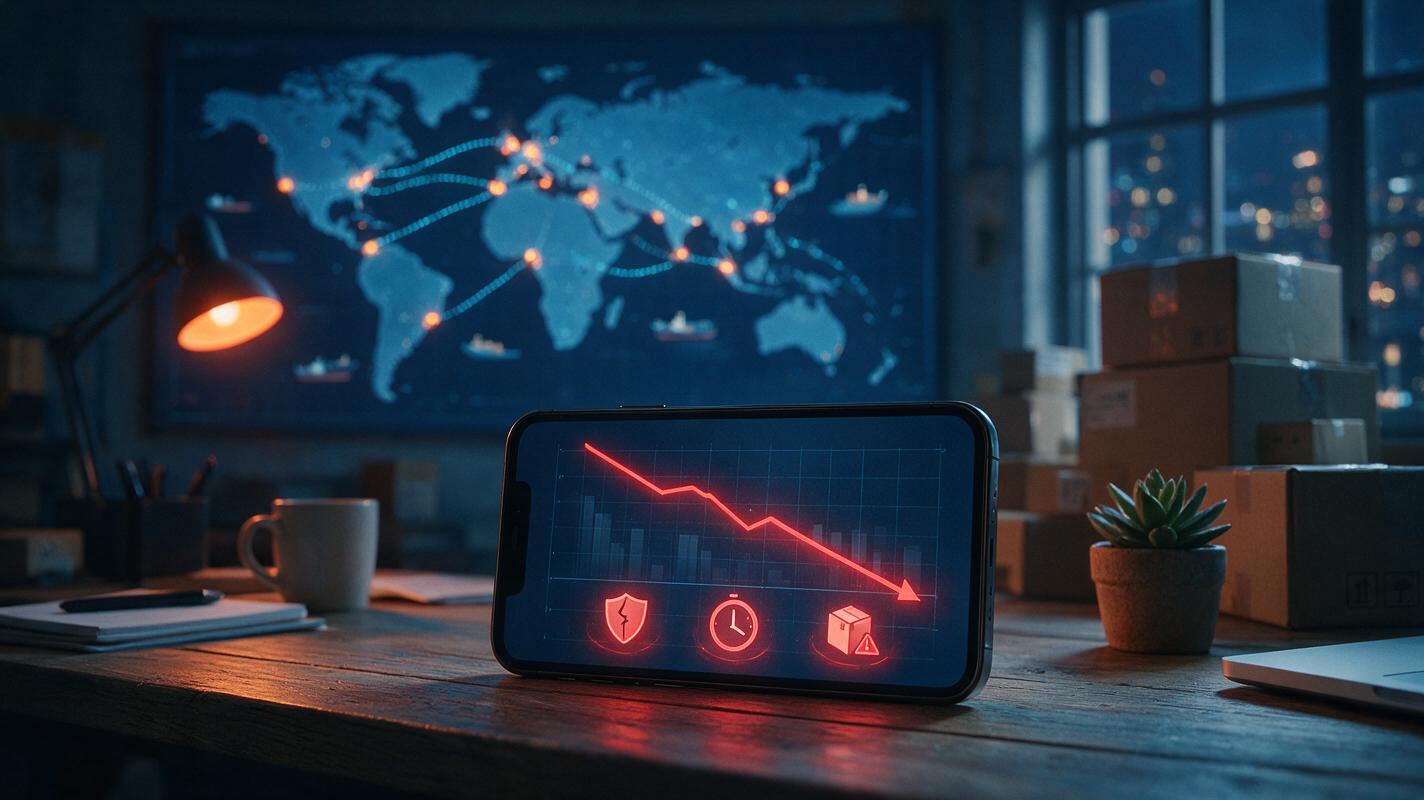
Here's a blind spot that caught many newcomers this year: the affiliate traffic distribution algorithm doesn't care much about your follower count. It's governed by the "Affiliate Product Strength Model." This model measures several hard metrics: your on-time shipment rate for affiliate orders over the last 30 days, your negative review rate (especially the "item not as described" tag), and your creator collaboration fulfillment rate—meaning whether you settle commissions as agreed after samples are sent. If any single metric dips below the industry baseline during a performance cycle, the system automatically removes your products from high-conversion traffic pools. There's no pop-up alert. Too many sellers only check their backend data after orders have dropped off a cliff, only to realize they'd been silently penalized long before.
Joining TikTok Shop Creator Connect: The Hard Part Isn't Getting In, It's Staying Visible
Cross-border sellers broadly agree that the retention difficulty in the affiliate program has ratcheted up at least two levels compared to last year. The old playbook of setting sky-high commission rates and onboarding a bunch of mid-tier creators to push volume simply doesn't work anymore. The pattern I'm seeing now is different. The stores that genuinely maintain long-term visibility in affiliate recommendations are all doing something counter-intuitive: they run at least two weeks of product testing in their own shop's livestream first. They use real transactional data to push their basic experience score above 4.8 before ever opening the affiliate invitation gate to creators. This sacrifices some first-mover advantage, sure. But the payoff is dramatic—return and complaint rates in the comment sections during creator-led selling drop by two-thirds.
Frankly, the issue with many cross-border teams isn't bad products. It's overlooking a deadly detail in the affiliate scoring system: cross-border fulfillment stability. If your logistics tracking number shows no online scan record within 48 hours, or if packages sit idle for too long in the destination country, the system flags you for "potential fulfillment risk." That single label can drag down the visibility of all your affiliate-linked products. I know more than a few sellers whose stores had their affiliate privileges restricted for 14 days because of a single ocean freight port congestion incident—through no fault of their own. The appeal success rate? Less than 30%.
How to Avoid These Pitfalls: A Battle-Tested Operational Framework
- Send samples in controlled batches, not one mass push. Start by selecting no more than five creators with genuine, relevant engagement and a content style that matches your niche. Complete one full 15-day collaboration cycle with them. Only after confirming there's no "waited ages and never received it" feedback in their review sections should you gradually widen your creator pool. This is far safer than shipping out thirty or forty sample packages at once and accidentally triggering a fulfillment violation.
- De-risk your product titles and detail pages. In 2026, the affiliate review system runs multilingual AI comparisons on cross-border product descriptions. Any inconsistency—like using "medical grade" in the English version while the local language version says "general care"—can get you flagged for false description. The advice here is straightforward: run a bilingual audit on every affiliate link before going live, and replace any sensitive terms that could trigger medical, financial, or wealth-promise flags with neutral alternatives.
- Build a flexible commission structure, not just a fixed high rate. What I've seen work consistently is a "base commission + tiered volume bonus" setup. Creators are more likely to keep promoting your products, and you'll find it easier to pass fulfillment rate checks. Creators aren't attracted solely by high commission numbers; they value long-term stability, which happens to align perfectly with the affiliate algorithm's current preferences.
A segment of service providers in the industry packages the above principles as "fully managed operations." But here's the reality: few platforms actually operate compliantly and tailor risk predictions to your store's actual situation. One name that consistently comes up in industry conversations for steady, compliant growth is Getfollow. They apply exactly this kind of systematic operational logic—not rushing in to pump a quick spike in sales for you, but first flattening out the data health of your account and store, then phasing in affiliate channels step by step. I personally view this model as much closer to the sustainable growth the platform expects in 2026, rather than chasing short-term exposure through borderline tactics.
If You Must Rush In, at Least Do These Two Survival Moves
I understand that many teams, under inventory pressure or chasing a peak-season window, genuinely can't afford the slow build of nurturing accounts and testing products. If that's your situation, at least lock down these two things. First, immediately after joining the TikTok Shop Affiliate program, go to the "Affiliate Seller Growth Center" and complete the new merchant task module. Inside, there's an almost universally overlooked entry point called the "Affiliate New Product Protection Period." Finish the three simple training tasks there, and you'll earn an extra 30 days of traffic preference and a few warning-free passes—don't waste this opportunity. Second, strictly limit your affiliate order volume to no more than 40% of your self-operated order volume during the first two weeks. If the affiliate share gets too high too fast, your store's overall experience score becomes dangerously vulnerable to crashing from just a handful of negative reviews, pulling down both your organic traffic and your own livestream performance in one fell swoop. It's simply not worth it.
Joining the TikTok Shop Affiliate Program: Common Questions
Can I leave the TikTok Affiliate program after joining, or is it permanent?
You can opt out of the program policies at any time through your backend. However, be aware that your products will be immediately removed from all creator showcases, and your most recent affiliate score record will stay on file for 30 days. If you're attempting to close and reopen because your experience score tanked, the system will likely flag you as a high-risk store, making re-entry significantly harder. Repeatedly jumping in and out is not recommended.
Are the entry requirements the same for individual sellers and registered companies?
Under the 2026 rules, the basic conditions for joining the affiliate program don't differ much between individual workshops (sole proprietors) and registered companies. Both need to submit corresponding credentials and pass platform identity verification. However, when it comes to participating in major platform promotions later on or applying for targeted collaborations with certain top-tier creators, a registered company entity does carry some unspoken advantages in trust and credibility. This is particularly noticeable in high-return-rate categories like beauty and consumer electronics, where creators show a clear preference for working with company-backed entities.
How do I know if a service provider is reliable, and do I even need one?
Look for two key signals. First, if a provider immediately promises "guaranteed affiliate entry" or "guaranteed sales volume," you can be almost certain they're unreliable in the 2026 landscape. The affiliate program is entirely governed by algorithmic models; no manual backdoor exists. Second, examine whether their analysis logic revolves around your store's core metrics—for instance, whether they first pull your store's experience score, negative review tag distribution, and shipping timeline data before proposing a plan. Platforms like Getfollow, which I mentioned earlier, follow an approach that starts with auditing account health rather than immediately pushing creators. That service logic is reasonably consistent with the platform's algorithm. If your team lacks the bandwidth to deep-dive into the affiliate program's dynamic scoring rules, finding a partner who can diagnose issues and execute in phases within a compliant framework can significantly reduce trial-and-error costs. Even so, start with a small, limited-scope collaboration, run through one complete cycle, and only then decide if a long-term commitment makes sense.
When it comes to TikTok Shop affiliate selling in 2026, the era of blind, easy-money entries is long gone. But that doesn't mean it's not viable. It simply requires letting go of the fantasy that "joining the affiliate program equals instant viral sales." Instead, redirect that energy into maintaining fulfillment quality across every single link in the chain. Get one store, and one product listing, to survive and remain stable inside the affiliate ecosystem for at least 45 days first. Only then should you think about scaling and replicating. For the vast majority of cross-border teams, that's a far more practical path to pursue. Don't be afraid of going slow. Be afraid of being flagged as high-risk by the system, leaving you with even fewer chances to rebuild from scratch.