TikTok for Factories: A No-BS Guide From 0 to 1
TikTok for Factories: A No-BS Guide From 0 to 1
Every day I hear the same anxious question from cross-border factory owners: "How do I actually sell on TikTok?" They watch competitors turn their assembly lines into viral videos, driving live-sale numbers they only dreamed of. They know they have the products and pricing edge, yet transforming a workshop into a traffic magnet feels impossible. Here's the reality—this is not about casually filming a machine and waiting for orders to roll in. The game is deeper, and much more content-driven than traditional B2B channels.
A common mistake I’ve seen is treating TikTok like another Alibaba.com listing. Some owners literally flip their product catalog into a slideshow video with “factory direct supply” slapped on it. The result? Views stall at around 200, and inquiries are nearly zero. They miss the core truth: TikTok is an interest-based, content-powered discovery engine. When a user scrolls past your video, they are not in procurement mode. You need to hook them with an engaging scene first, then subtly weave in your factory’s capabilities.
Step one: Position yourself not as “I’m a factory,” but “I solve a specific problem for a specific buyer”
I’ve noticed a widespread mistake: factory profiles that cram every product line onto the homepage, with bios stuffed with “OEM/ODM welcome” and technical jargon. But real buyers—or small B2B customers—give you about two seconds to answer, “What does this account have to do with me?” Instead of saying, “We are a Bluetooth earphone manufacturer,” reframe it as, “Helping North American small sellers source direct-from-factory Bluetooth earphones without middleman markups.” The persona can break free from a cold, corporate brand. Put your most articulate quality inspector or a relatable workshop worker on camera. Believe it or not, a slightly accented but genuine English delivery often builds trust faster than a slick voiceover.
Many also ask if they should build a matrix of accounts right away. My take: nail one main account’s content model first. I’ve seen tool factories film different departments with a single phone—one day a CNC machine, the next day polishing—and the data was completely chaotic. When you’re figuring out how to launch a factory on TikTok, the biggest early enemy is trying to do too much. Pick one content theme, commit to it for 30 days, and let the algorithm label you accurately.
Content localization + supply chain moat = your true competitive edge on TikTok
A factory’s biggest asset isn’t a low price tag—it’s the ability to turn transparent production into binge-worthy content. Take stainless steel insulated water bottles: you can film the entire process from steel coil cutting, welding, vacuum insulation to laser engraving, packed into a fast-paced 15-second clip with a trending sound. Western audiences absolutely devour these manufacturing details. But raw footage alone won’t cut it; localization is everything. The in-video text, captions, even a glimpse of a shipping label in the background, must speak to your target market. One pet supplies factory I know hired a part-time student in the US to do English voiceovers, and their metrics crushed the mechanical AI voice by a mile.
Supply chain strength also shows in response speed. When you get a sample order through TikTok, immediately film a real-time video of you customizing the packaging and printing the shipping marks. That “next-day sample” proof is more powerful than any corporate deck. But let’s be honest—factories often get stuck on creative consistency and execution bandwidth. That’s exactly why many smart operators lean on external content services for the initial push, while keeping the core storytelling in-house.
Three big pitfalls in factory TikTok marketing (and how to avoid them)
Pitfall No.1: blindly throwing paid ads at unproven creative. Some owners panic when organic views stay low and immediately pump money into Promote. The result: cash burned, and the only converts were casual viewers. The healthy path is to let natural traffic validate basic engagement first—only when your like-to-save ratio looks strong should you consider scaling with ad spend.
Pitfall No.2: directly translating your local livestream scripts into English. Factory live selling isn’t about shouting “family, smash that order!” It’s about reality: demonstrating pressure tests, drop tests, or packing a container live. Replace hype with action, and let the product speak through demonstrations.
Pitfall No.3 is sneakier: the obsession with so-called “growth hacks.” In the early days, follower count does influence trust, but fake or irrelevant followers drummed up through shady methods barely convert to inquiries—and can even trigger platform shadow-bans. A clear industry consensus is forming: it’s far smarter to grow a smaller, hyper-relevant audience through compliant methods. Some factories lean on content amplification and data optimization tools to get through the cold-start phase safely, rather than gambling on risky shortcuts. At the end of the day, tools are just aids; it’s your own content that keeps users coming back.
I’m also often asked about follow-for-follow groups. My advice: stay far away. Those followers have scrambled interest tags, and the platform’s detection is getting sharper. The factory accounts that have truly taken off started slowly, but each follower was a potential buyer. One video that pulls in a few sample requests is infinitely more valuable than thousands of disengaged onlookers.
How to build your TikTok team without copying a media agency model
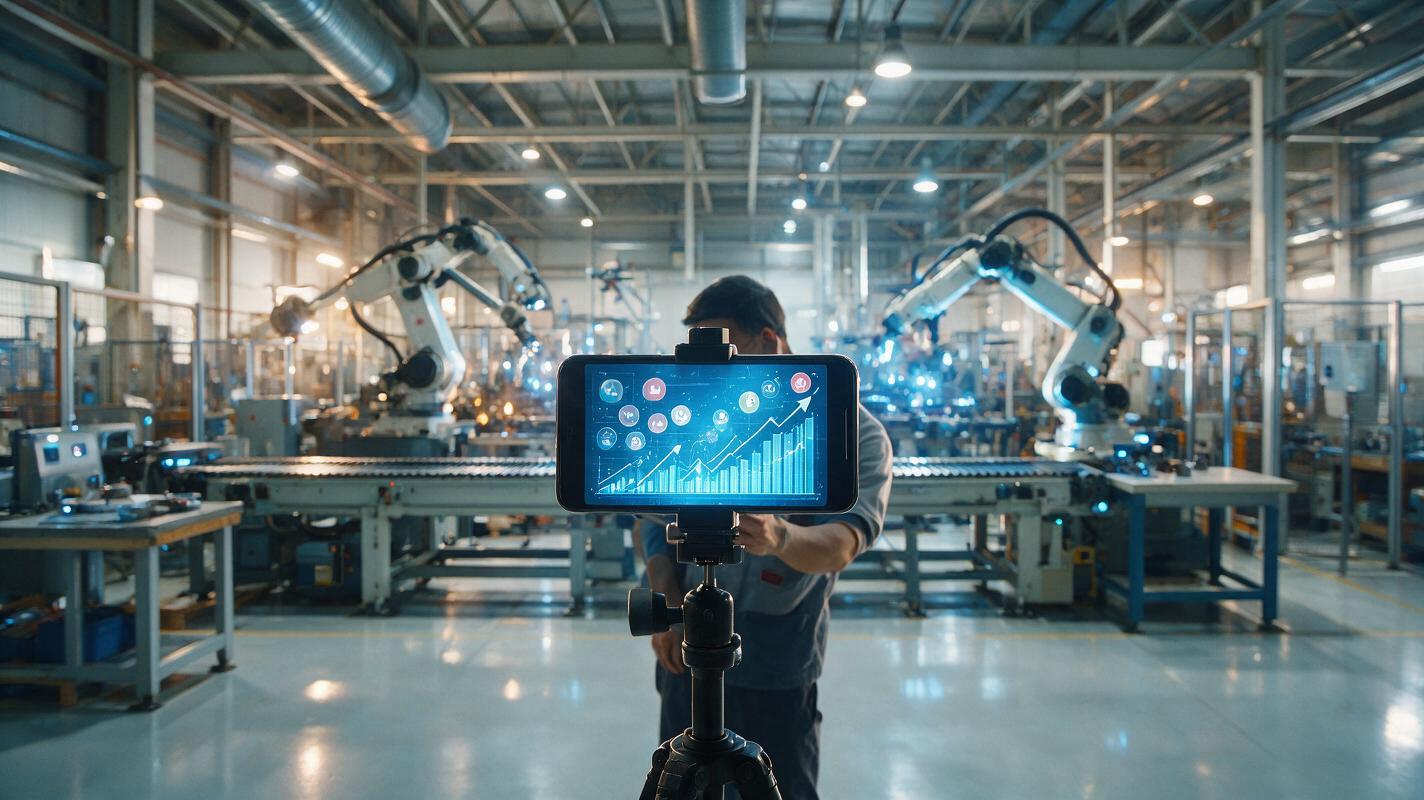
You do not need a fancy production crew. The leanest setup is “one workshop lead plus one English-literate operator.” Make your workshop supervisor or technician the on-camera star. When they talk materials and processes, the bone-deep certainty they exude is something no actor can fake. The operator handles topic selection, editing, and data review. Many successful factory accounts run with just two or three people.
Here’s a practical quick win: have your operator pull a weekly list of top comments from similar viral videos. Look for recurring questions—“does this rust,” “what’s the MOQ”—and then have your workshop star answer them directly to the camera in a Q&A series. This format saves scripting time and precisely hits buyer hesitations, which often leads to decent inquiry rates. The early-stage mantra for factory TikTok success is to experiment cheaply, smooth out your content production rhythm, and only later bring in extra hands for live-stream highlights or paid traffic.
On whether to hire a full-time native English host: solve it with part-timers first, or use a younger team member who already has decent English. Don’t underestimate a heartfelt delivery with a slight accent—on TikTok, authenticity beats perfect pronunciation every single time. And when a viewer jumps into a livestream with a technical question, a workshop host who can immediately grab a product and demonstrate builds instant trust that no distributor can ever replicate.
By now you’ve probably realized that cracking the code on how to market your factory on TikTok isn’t a quick tech fix; it’s a system that requires sustained content energy. But that’s also its beauty—once you push through the first three months and turn video into an automated inquiry channel, you enter that “passive leads” stage. You don’t need every video to go viral. As long as a steady stream of potential buyers finds you through your content, your sample room will become busier than any trade show. Stop over-planning. Just start filming—today.
Factory TikTok FAQs
Is TikTok really a viable channel for B2B factories?
Absolutely—if you treat it as a content-led discovery engine, not another catalog listing. Buyers don’t scroll TikTok with a purchase order in hand, but an engaging demonstration of your production process can plant the seed. Many factories now get sample requests and long-term partnerships directly through their TikTok presence.
What kind of content works best for a factory account?
Manufacturing transparency content performs exceptionally well: fast-paced process videos, material testing, packing and shipping glimpses, and Q&A sessions that address real buyer questions. Always localize your captions, text overlays, and voiceovers to the target market—native or near-native English makes a measurable difference.
How do I get my factory TikTok account started with no followers?
Pick one tightly focused content theme, produce consistently for at least 30 days, and don’t chase viral gimmicks. Leverage organic engagement first; post at optimal times for your target time zone, use relevant hashtags, and respond to every comment. If needed, use compliant content amplification services to jumpstart visibility, but growth must be real or else it hurts you later. Avoid fake follower tactics at all costs.
Should I run TikTok ads right away to boost my factory videos?
No—validate your content with organic traction first. Once a video shows solid metrics (notably strong completion rate and save ratio), then you can safely amplify it with Spark Ads. Premature promotion burns budget and teaches the algorithm to target the wrong audience.
What’s the smallest team I can build a factory TikTok channel with?
Many successful factory channels start with just two people: one workshop insider who’s comfortable on camera and one operations person who handles editing, scripts, and data. Part-time English support or a bilingual team member can handle voiceovers and live chats. Scale up only after you’ve proved the model.