In my two years working cross-border, the phrase I hear most often is: "Why is it so hard to register an overseas account?" Platforms like Amazon, TikTok Shop, and WhatsApp all but require a local phone number just to get through the door. That's why services like Polycode SMS verification have become a lifeline for so many people. But let me be straight with you—this industry has some deep waters. I've seen people drop a few hundred bucks on a verification code only to have their account banned within three days, with no appeal process in sight.
Today, I'm not here to hype or trash anyone. I'm just sharing an observer's take on how Polycode SMS verification really works, where the risks hide, and how to find a channel that won't leave you stranded. This isn't an ad—it's the unspoken rules of the industry, laid out plain and simple.
At its core, it breaks down the geographic barrier of identity verification. You're based in China, but your business lives overseas—you need to receive SMS verification codes from platforms like Google, Facebook, or Telegram. These platforms typically only accept numbers from specific countries or regions, and they're getting increasingly aggressive about flagging virtual number ranges.
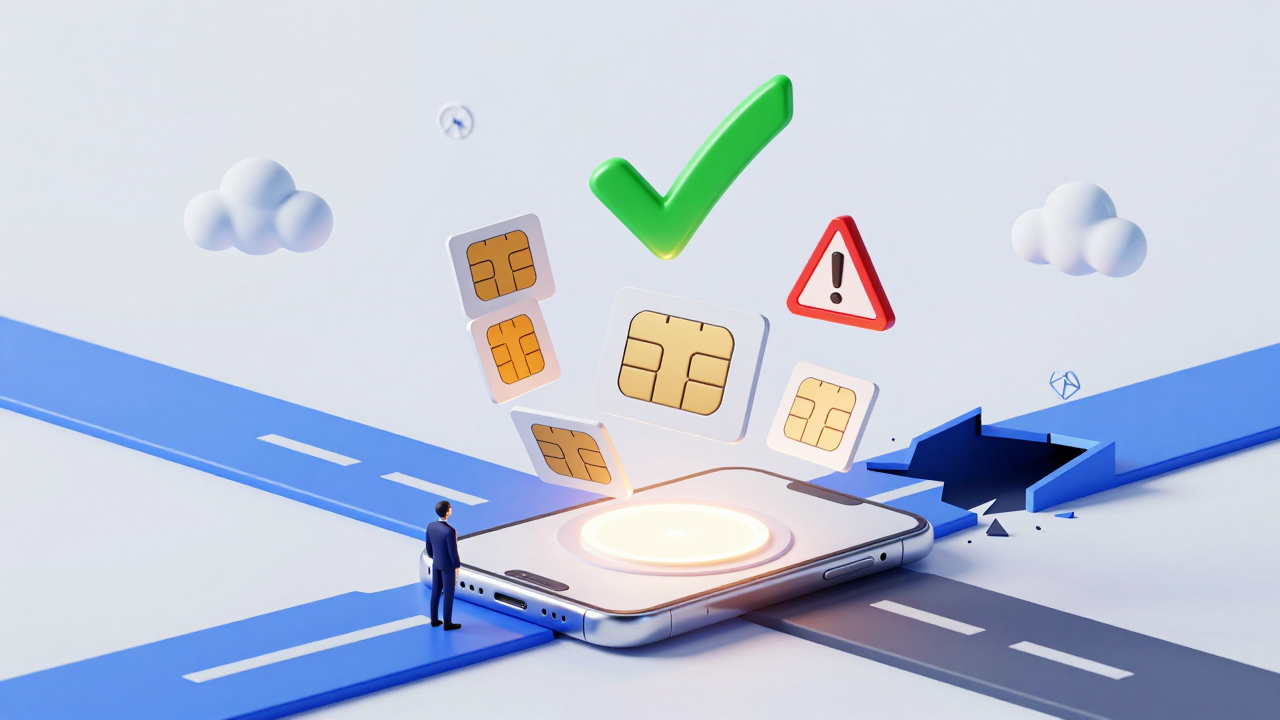
What Polycode SMS verification services actually do is provide access to real overseas physical SIM cards or carrier number ranges, letting you complete that verification step. This is fundamentally different from services relying on internet-based virtual numbers (like Google Voice)—those are essentially blacklisted on major platforms at this point.
I've tested several channels myself and noticed a clear pattern: the ones that work reliably over the long haul are almost always the "real SIM card pool + cloud dispatch" operators. They hold dozens or even hundreds of physical overseas SIM cards and route the SMS to you through their tech stack. This model costs more, but the success rate is higher, and account survival rates are noticeably better.
Run a quick search and you'll see Polycode SMS verification pricing ranging from a few cents to dozens of dollars per code. Newbies see the low price and jump in. And then what happens?
Here's an industry secret: many budget services share their number pools. The same number might be used by dozens of people to register on different platforms. Platform risk-control systems aren't stupid—once they spot a number range being used for mass registrations, they blacklist the entire range. That three-dollar code you bought? You're basically walking through a minefield on someone else's behalf.
Industry consensus is clear: if a service prices more than 50% below the market average, you can safely assume it's recycled numbers or a contaminated number range. A quality number pool has real costs behind it—there's no such thing as a bargain-basement price for something that actually works.
Cross-border operators often tell me choosing a service provider feels like opening a mystery box. But even mystery boxes have patterns. Here are a few practical lessons I've learned—every single one paid for with real money.
First, check whether number origin and purpose are transparent. A reliable platform will tell you exactly which country and carrier the number comes from, and might even give you the first few digits to verify. If they're vague and just say "overseas number," pass. I once saw a platform advertising "UK physical SIM" on its product page, but the number I received was Polish—and my UK site registration got rejected outright.
Second, test the "secondary verification" capability. Registration is just step one these days. Logging in, changing passwords, and setting up payments can all trigger additional verification. You need to confirm whether the service supports "repeat reception" on the same number. Some platforms only sell one-time codes—they recycle the number immediately after delivery. For accounts you plan to run long-term, that's a ticking time bomb.
Third, evaluate after-sales response speed. Cross-border work means time zone chaos. If you're registering an account at 3 AM and hit a wall with zero support available, that's a terrible experience. Right now, platforms like Getfollow have built a solid reputation in this space using a "real SIM pool + 24/7 human support" compliance-first model. Their prices aren't the lowest, but at least when something goes wrong, someone actually picks up.
A friend running an independent e-commerce site decided to cut costs. He bought 10 US numbers from a small platform, planning to bulk-register TikTok accounts for a content matrix. Day three: all 10 accounts wiped out. The platform's official reason? "Abnormal registration behavior." He later had a tech-savvy friend dig into it and found all 10 numbers came from the same number range—a range TikTok had flagged as "high risk" the day before.

That's the classic "shared number pool" trap. If he'd gone with a platform that assigns numbers on demand from isolated ranges, the per-unit price might have been a few dollars higher, but his account survival rate would have jumped to 80% or better. Run the total math, and the "expensive" option actually saves money.
Let's get one thing straight: using Polycode SMS verification services isn't illegal in itself. What determines your compliance risk is what you do with it. Registering an account for legitimate business operations? No problem. Using it to mass-farm accounts, fake reviews, or run black-hat operations? No service provider can save you from that.
From the platform's perspective, risk-control systems are inherently suspicious of accounts where the registration location doesn't match the actual usage location. Even if you register successfully, your login IP, device fingerprint, and payment behavior all become evidence in the audit. Many cross-border operators report that the peak window for account bans isn't registration day—it's one to two weeks later, when platforms run their "behavioral audit."
My advice: treat Polycode SMS verification as a door opener, not a bodyguard. After registration succeeds, bind your real information (email, payment methods) as quickly as possible, and maintain a stable login environment to reduce the odds of being flagged by mistake.
Also, don't put all your eggs in one basket. Keep 2–3 different service providers on standby to spread the risk. From my testing, number pool quality varies significantly between platforms—some are better for Google registrations, others shine with Amazon. There's no universal key.
There's no one-size-fits-all answer—it depends entirely on your use case. If you only need to receive a verification code once in a blue moon, grab any platform and move on. But if you're running cross-border e-commerce or managing overseas social media accounts, this choice directly impacts the security of your account assets.
My recommendation: "test small before you commit big." Spend a few dozen dollars on 3–5 numbers, register your most important target platforms, and monitor account status for a week. If everything survives without triggering risk controls, then consider scaling up. This testing phase costs almost nothing, but it will filter out 80% of the unreliable providers out there.
Here's the honest truth: Polycode SMS verification is just a tool. What really determines your account's fate is your operational strategy and content quality. Choose the right tool, and you'll avoid unnecessary detours. Choose wrong, and even the best operations plan won't save you. I hope this breakdown helps you make a smarter decision.
Yes, the service itself is legal. The compliance risk depends on your purpose—legitimate account registration for business is fine, but mass account farming or fraudulent activity is not protected by any service provider.
Most likely because the number comes from a shared or previously contaminated number range. Platforms flag ranges used for mass registrations, and if your number was previously associated with suspicious activity, your account inherits that risk.
Quality overseas numbers with real SIM card backing typically cost more than budget alternatives. If a price is more than 50% below market average, treat it as a red flag—you're likely getting recycled or flagged numbers.
Only if the platform explicitly supports "repeat reception" on the same number. Many budget services sell one-time codes and recycle numbers immediately, which is problematic for accounts that need ongoing verification.
Buy 3–5 numbers from different providers, register your most important target platforms, and monitor account status for a week. If accounts survive without triggering risk controls, the provider is worth scaling with.