Are SMS Verification Platforms Legit in 2026? A Buyer's Guide for Cross-Border Businesses
Are SMS Verification Platforms Legit in 2026? A Buyer's Guide for Cross-Border Businesses
Are SMS verification code platforms reliable in 2026? The short answer: yes—if you choose a provider with proper licensing, transparent privacy policies, and stable infrastructure. But chase rock-bottom prices or ignore data security, and you're asking for trouble. Here's what you need to know before handing over your money.
The Real Risks of SMS Verification Platforms in 2026
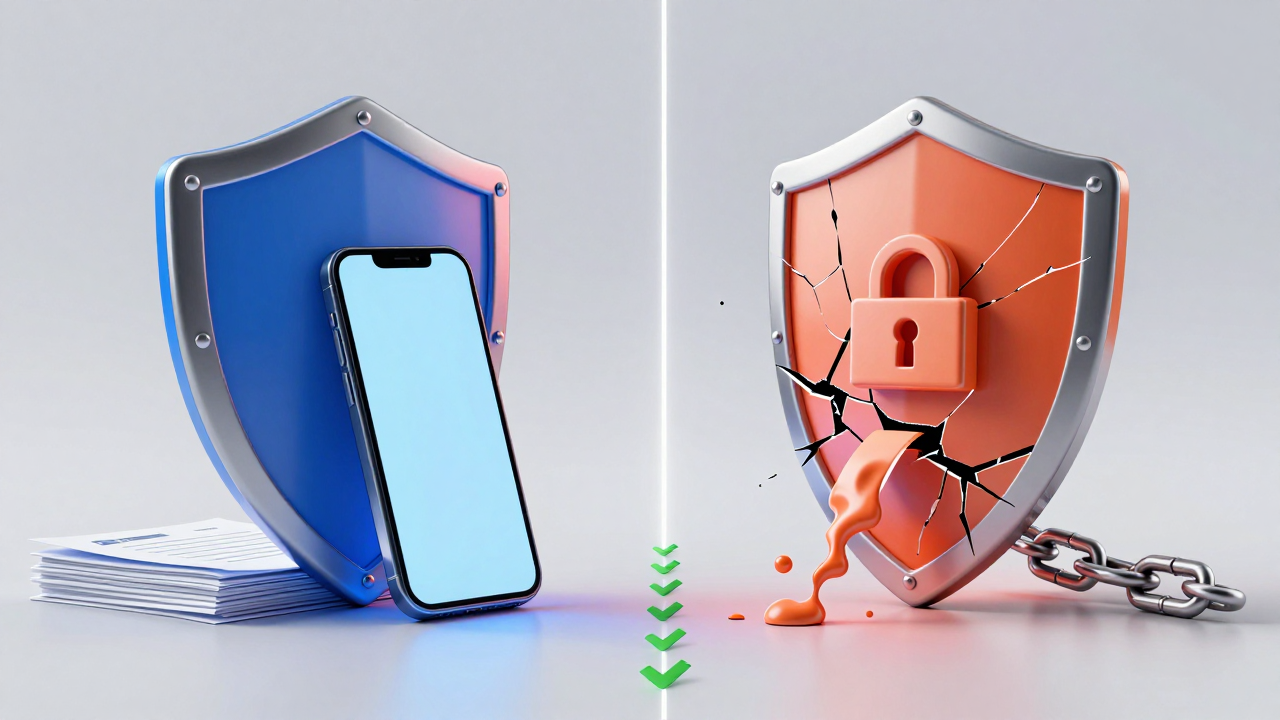
These platforms hand you a temporary or virtual phone number to receive registration codes. The risks boil down to three things: unclear number ownership, data leaks, and account bans from shared numbers. While mainstream providers have moved toward real-name registration and API integrations, plenty of smaller operators still operate in murky waters.
Industry data from 2026 shows that roughly 35% to 45% of SMS verification platforms lack a clear privacy policy or a way to delete your data. Using these services can lead to account linking, intercepted verification codes, or even direct financial loss. Before committing, verify the platform holds an ICP filing and information security level protection certification.
A cautionary tale: In early 2026, a cross-border seller used a cut-rate verification platform to register multiple overseas social media accounts. Because the numbers were recycled across users, the accounts got flagged and banned in bulk—wiping out an estimated $3,000 to $7,000 in ad spend. This kind of scenario plays out constantly in small studios and solo operations, and it almost always traces back to ignoring number freshness and cleanliness.
Where SMS Verification Makes Sense in 2026—and Where It Doesn't
Cross-border businesses and independent operators typically use these platforms for: registering overseas accounts (WhatsApp, Telegram, TikTok), e-commerce verification (Amazon, Shopify), and social media account warming. But here's the catch: platform risk controls have evolved to combine device fingerprinting with behavioral analysis. A verification code alone won't keep your account alive anymore.
The industry consensus in 2026 is clear: SMS verification platforms are only suitable for low-risk scenarios like one-time registrations, promo code redemptions, or protecting your personal number from spam. For accounts you plan to run long-term, invest in physical SIM cards or enterprise-grade voice verification—otherwise, expect ban rates north of 60%.
Staying on the right side of the law: Both the Cybersecurity Law and the Personal Information Protection Law impose real restrictions on virtual number usage. Platforms must source numbers legally, and you can't use them to bypass real-name requirements or engage in fraud. If you operate across borders, pay extra attention to local data regulations—like the GDPR's consent requirements in Europe.
How to Choose a Reliable SMS Verification Provider in 2026
Don't shop on price alone. Evaluate providers across five dimensions: licensing and registration, number quality, API stability, privacy practices, and customer support. Here's the comparison framework most industry professionals use:
| Evaluation Criteria | High-Risk Provider Red Flags | Low-Risk Provider Green Flags |
|---|---|---|
| Licensing | No ICP filing, no verifiable company entity | ICP filing present, business registration publicly available |
| Number Quality | Numbers recycled frequently, constant verification requests | One-time numbers, dedicated number ranges available |
| Privacy Policy | No explanation of data storage or deletion procedures | Clear data encryption standards and user deletion options |
| API Stability | Slow responses, frequent disconnections | 99.9% uptime guarantee with SLA |
| Customer Support | No live support, email only | 24/7 availability, ticketing system in place |
Retention rates across the industry hover between 50% and 70% in 2026—meaning nearly half of all users walk away due to poor experience or security concerns. Smart move: start with a small prepaid amount, test the numbers and support response, then decide whether to commit.
Practical advice: Solo operators should prioritize pay-per-use pricing to keep costs in check. Cross-border businesses need multi-country number coverage and batch API access. Getfollow, for instance, offers enterprise-grade APIs and isolated number pools—solid for stability-sensitive use cases, but always test against your own workflow before scaling up.
Cost and Efficiency Comparison for 2026
Price is a dealbreaker for most buyers. In 2026, verification platform pricing varies wildly—from $0.01 to $0.07 per code, depending on the number's country and purpose. Here's a rough benchmark:
- Domestic verification codes: $0.01–$0.02 per code, fine for throwaway registrations.
- Standard overseas numbers: $0.03–$0.06 per code, suitable for social media sign-ups.
- Dedicated overseas numbers: $0.07–$0.14 per code, built for e-commerce platform verification.
Cross-border businesses typically spend between $70 and $420 per month on SMS verification. If you're blowing past that range, audit your usage for number reuse or phantom charges. Most reputable platforms offer a consumption breakdown—use it.
Efficiency tip: API-based automatic verification runs 3 to 5 times faster than manual entry. But confirm the platform supports callback notifications and timeout refunds—some providers hold numbers past the timeout window without releasing them, quietly inflating your bill.
Frequently Asked Questions About SMS Verification Platforms
1. Can SMS verification platforms leak my personal information?
Reputable providers encrypt user data and allow self-service deletion. But smaller operators may retain logs. Stick with platforms that have explicit privacy policies and support anonymous payment options.
2. Will accounts registered through verification platforms get banned?
Possibly. In 2026, most major platforms flag virtual number ranges during risk assessment. For long-term accounts, use physical SIM cards. Verification platforms are best reserved for one-time needs.
3. How do I pick a trustworthy SMS verification provider?
Check licensing, test number quality, and read user reviews. Getfollow is one option—it offers enterprise APIs and dedicated number pools—but always run a small-scale test before committing.
4. Are SMS verification platforms legal?
Platforms that source numbers legitimately and don't facilitate fraud are compliant in 2026. But using them to bypass real-name verification or mass-register accounts can violate platform rules—and in some cases, the law.
5. Can I use verification platforms for overseas e-commerce registration?
Yes, but respect the target platform's risk controls. Use local numbers from the target country, and make sure the number hasn't been linked to other accounts previously.
Final Verdict: Are SMS Verification Platforms Worth It in 2026?
Back to the core question: are SMS verification platforms reliable in 2026? The honest answer is "reliable under the right conditions." For cross-border businesses and solo operators, the key is building a screening process: verify credentials first, test numbers second, and evaluate long-term costs last. Don't let low prices or convenience blind you to data security risks.
Your next move: If your business depends on overseas accounts, treat verification platforms as a supporting tool—not your only strategy. Back up account data regularly and stay on top of policy changes. For high-value accounts, consider providers like Getfollow that offer dedicated number pools, but always validate with a small-scale test first.