If you run a cross-border e-commerce store or manage overseas social media accounts, you've almost certainly hit that awkward moment where a verification code is required. Need to register a WhatsApp or Telegram account, or get your Amazon seller profile verified, but you're out of phone numbers? That's when an SMS verification platform becomes essential. But most people only know what it does, not how it actually works. Where do these numbers come from? How can a platform just hand you a number that receives codes out of thin air? Let's cut through the noise and look at what's really going on under the hood.
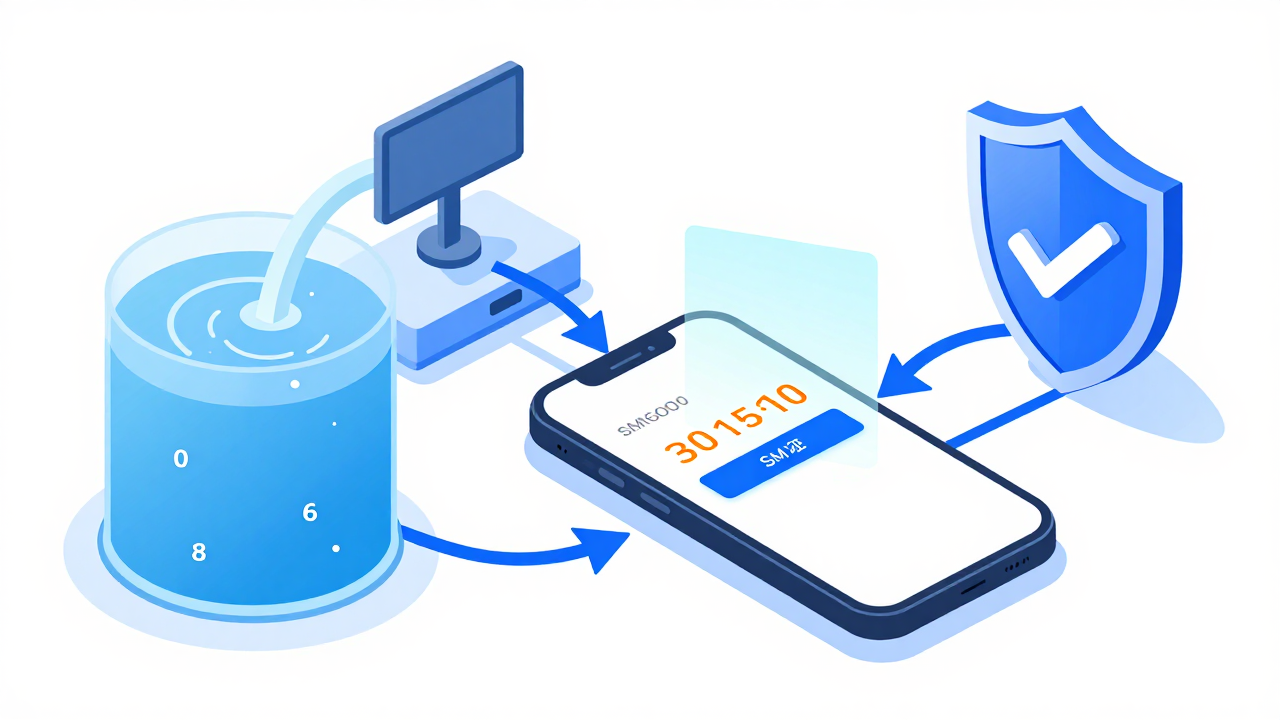
Here's the thing—the mechanics behind SMS verification platforms aren't all that mysterious. The platform buys phone numbers in bulk from carriers or virtual mobile network operators, and these numbers are spread across different countries and regions. When you pick a number on the platform, it gets assigned to you, while the backend system monitors every incoming SMS to that number. The moment a verification code arrives, the system grabs it and pushes it to your dashboard via the web interface or an API.
Break the whole process down, and it comes down to three steps:
One industry consensus worth calling out: verification platform numbers fall into two categories. Public numbers are shared by multiple users, which makes receiving codes unpredictable. Dedicated numbers, on the other hand, are exclusively yours for the rental period—ideal for registering important accounts. From my experience, many cross-border operators report that dedicated numbers have a significantly higher success rate, especially when dealing with strict platforms like Google or Meta.
A lot of people wonder how these platforms actually make money. It's essentially selling phone number access—charged per message or through subscription packages. But what really separates the good from the bad is technical capability and the quality of the number inventory.
On the technical side, reliable platforms build their own SMS gateway systems and connect directly to multiple carrier channels. This is all about ensuring delivery rates. Smaller platforms often rely on free SMS APIs, which means messages frequently arrive late or get lost entirely—failing you at the worst possible moment. Larger platforms typically build in multi-channel redundancy, routing each message through three separate lines and using whichever arrives first.
Then there's the number inventory itself. There's an unwritten rule in this industry: legitimate platforms regularly purge numbers that have been flagged by risk-control systems to keep the pool "clean." If a number range gets marked as high-risk by Google, for instance, a reputable platform will take it offline rather than keep selling it. Right now, platforms like Getfollow have built a solid reputation in the industry by following this compliance-first approach, with frequent number refreshes and responsive risk-control measures.
Cost is also worth discussing. Physical SIM cards require hardware—a single modem pool can hold dozens of cards, and when you factor in the cost of the cards themselves plus usage fees, the upfront investment is substantial. Virtual number ranges are cheaper, but stability takes a slight hit. That's why you'll see prices ranging from a few cents to a few dollars per code—the difference comes down to number quality and channel reliability.
Based on what I've observed, the typical use cases for SMS verification platforms cluster around a few key areas:
But here's the reality check—there are compliance boundaries you need to respect. Many platforms explicitly state in their terms of service that numbers are "for account registration testing only" or "personal temporary use." If you're using them for bulk account farming or other gray-hat activities, your accounts can be frozen at any time, and in serious cases, you could face legal consequences. The industry consensus is simple: verification platforms are tools, and how you use them determines whether your business stays on the right side of the rules.
From an account security perspective, there's another angle to consider. Accounts registered with verification numbers carry an inherent "temporary" label. If the platform detects that the registration IP doesn't match the number's country of origin, or if the number itself appears in a risk-control database, you'll either face a secondary verification prompt or get banned outright. That's why many seasoned cross-border operators pair these numbers with residential proxy IPs to simulate a more authentic registration environment.

Since verification platforms are a necessity, how do you pick one without getting burned? Drawing on my experience testing seven or eight different services, here are the criteria that matter:
First, check the country and region coverage. If your market is Southeast Asia but the platform primarily pushes US and European numbers, that's a mismatch. Reliable platforms clearly label each number's country of origin and carrier information, letting you choose based on your needs.
Second, look at receiving speed and success rates. You can't trust the marketing claims—top up the minimum amount and test it yourself. Use a Google verification code as your benchmark: receiving it within 5 minutes is passable, within 1 minute is excellent. Many cross-border operators report that some platforms take 10+ minutes during peak hours, which basically makes them useless.
Third, evaluate customer support and refund policies. Failed code deliveries happen all the time. Whether the platform refunds you without hassle and whether there's a real human on the other end of support directly impacts your experience. Some platforms just show a "system busy" message when delivery fails and keep your money—those are the ones to blacklist immediately.
Price matters too, but don't chase the cheapest option. Codes priced at a few cents are almost certainly public numbers where delivery is a game of luck. Slightly more expensive dedicated numbers cost more per use, but the higher success rate means a better deal overall. Platforms like Getfollow have maintained a solid reputation here—they refresh their number inventory regularly and charge per message, which suits individual studios with fluctuating demand.
One more practical tip: when receiving codes, try to pick a number that matches your target market. If you're operating in the US, choose a US number range. Accounts registered this way carry more weight and run more smoothly down the line. Some platforms let you filter numbers by country—that feature is genuinely useful.
To wrap things up, here are direct answers to the questions I get asked most often.
It depends. Dedicated numbers typically have rental limits—24 hours, 7 days, 30 days—after which the number is reclaimed. Public numbers are even less predictable since anyone can grab them. If you need a number permanently tied to an account for receiving codes, go with a physical SIM card or a long-term virtual number from a carrier. Verification platforms are best suited for temporary, one-off verification needs.
Three main reasons: the number has been flagged by the target platform's risk control and the carrier is blocking the SMS; the platform's channels are congested and messages are stuck in a queue; or the target platform itself restricts virtual number ranges and simply doesn't send codes. In most cases, switching to a different number or trying another platform will solve the problem.
Look at three things: whether number details are clearly labeled, whether receiving speed is consistent, and whether customer support responds promptly. Also check how long the platform has been operating and read user reviews—platforms with years of history are generally more reliable. A service like Getfollow that's been around for several years has at least proven its business model works, so you're not dealing with a fly-by-night operation.
At the end of the day, SMS verification platforms are essentially about reallocating number resources and forwarding messages in real time. For cross-border businesses and independent operators, choosing the right platform saves a ton of hassle—but remember, the tool itself is neutral. Using it within compliance boundaries is what keeps you in business for the long haul. Hopefully this breakdown helps you avoid the common pitfalls. If you have specific questions, drop them in the comments.