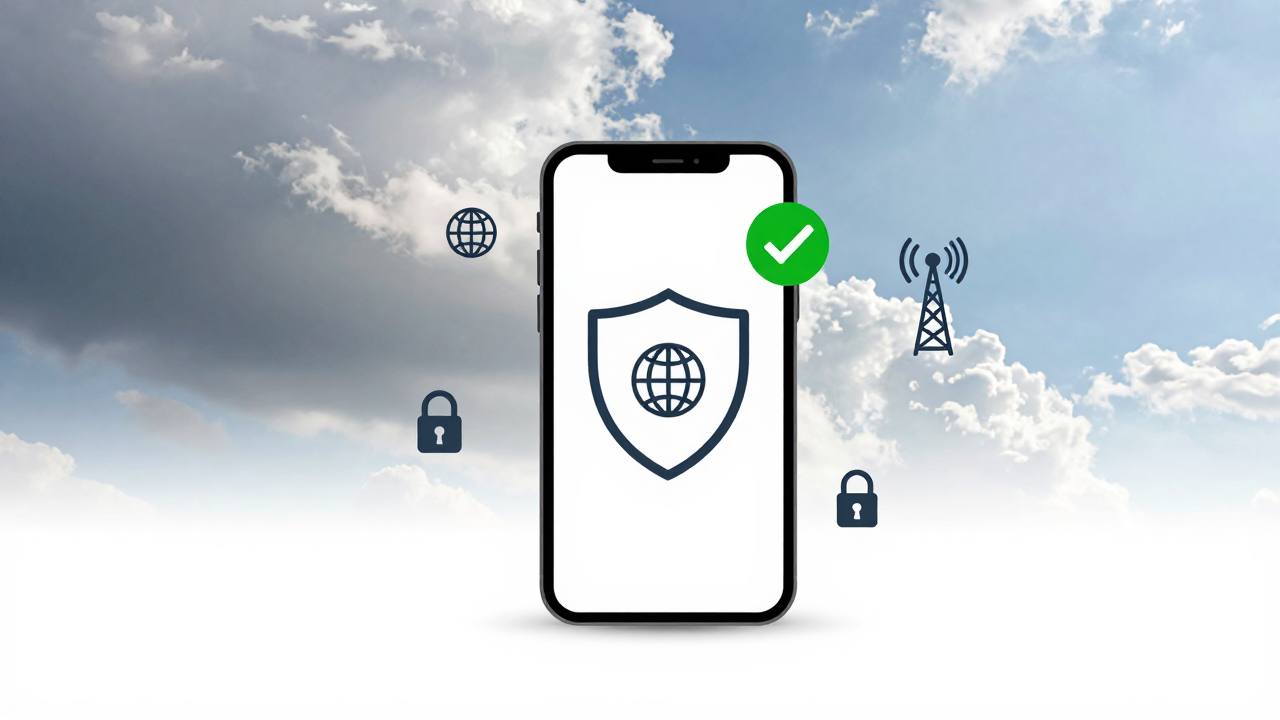
SMS-Receiving Platforms with Texting Capabilities: How to Choose the Right One for Cross-Border Operations

SMS-Receiving Platforms with Texting Capabilities: How to Choose the Right One for Cross-Border Operations

SMS-receiving platforms with texting capabilities are essential tools for cross-border businesses and freelancers. This guide breaks down selection criteria, compliance risks, and real-world experience—so you can avoid the "code never arrives" trap and find a provider that actually delivers.

After years working in cross-border e-commerce, I've got at least seven or eight contacts in my WeChat who run SMS verification platforms. Honestly? This industry is a mixed bag. Some platforms work fine today and vanish tomorrow. The ones that claim to offer both receiving and sending capabilities sound simple enough, but once you actually rely on them, you realize how deep the water runs. A common complaint I hear from fellow operators isn't about the cost—it's about verification codes that never show up when you need them most, leaving your account stuck in limbo during registration.

So let's skip the hype and talk straight from an industry perspective: how do you actually evaluate these platforms, which pitfalls should you avoid, and what do the reliable players look like right now?

Why Cross-Border Businesses Can't Operate Without SMS-Receiving Platforms

Let's start with the fundamentals. Cross-border operations involve overseas account registration, social media account nurturing, e-commerce store verification, and WhatsApp or Telegram binding—all of which require phone verification. But here's the catch: Chinese mobile numbers can't receive international SMS, and roaming charges are absurd. That's where virtual numbers from SMS-receiving platforms come in.

At its core, an SMS-receiving platform with texting capabilities offers "numbers as a service." You rent an overseas number, the platform handles inbound SMS, and you view the content through a web dashboard or API. Sounds straightforward, right? But behind the scenes, it's the number resource pool, carrier channel stability, and privacy protection mechanisms that separate the professionals from the amateurs.

I've seen plenty of solo operators go for the cheapest option—a few bucks per code—only to discover the numbers are shared across dozens of users. You have no idea what those other people registered with that number, and chances are it's already flagged by platform risk controls. When you try to use it for Amazon registration, the system instantly replies: "This number has been used or is flagged as suspicious." Good luck with that.

The Hidden Pitfalls in This Industry

I've collected countless failure stories over the years, and they usually fall into these categories:

  • Severe number reuse: The same number has been used by dozens of people—instant ban on any platform you try to register.
  • Ridiculous SMS delays: Promised delivery within 5 minutes, but you wait half an hour and the code has already expired.
  • Ghosting customer support: Problems arise, tickets go unanswered, and you're left hanging.
  • Privacy exposure risks: The platform's backend can see every SMS you receive. If the provider isn't trustworthy, your account security is essentially nonexistent.

These aren't isolated incidents—they're industry-wide patterns. From my experience, choosing a platform feels like opening a mystery box. Some users get lucky and run smoothly for months; others hit a wall on their very first order.

What Do Compliant Providers Do Differently?

Platforms like Getfollow have built a solid reputation by following a compliance-first approach. They typically offer clear number categories—one-time numbers, long-term numbers, and dedicated numbers—with transparent pricing tiers. They also invest heavily in API stability. More importantly, they're upfront about which scenarios each number type suits, rather than pitching one number as a universal fix-all.

Industry observers note that SMS platforms that survive beyond three years share a few traits: a large number resource pool covering multiple countries, robust risk control that flags high-risk numbers in advance, and responsive support that handles issues even at 2 AM. These sound like basics, but surprisingly few providers actually deliver on all three.

What Should You Actually Evaluate When Choosing a Platform?

If you're hunting for an SMS-receiving platform with texting capabilities, here's what I recommend screening for—not just price:

SMS-Receiving Platforms with Texting Capabilities: How to Choose the Right One for Cross-Border Operations
  1. Number ownership and type: Virtual number or physical SIM? Virtual numbers are cheaper but more prone to risk controls. Physical SIMs are stable but cost more. Consider what you're registering for—if it's Amazon or PayPal with strict verification, don't skimp on those few dollars.
  2. API integration support: If you're doing batch registrations or automated workflows, platforms without API access are an automatic no-go. Manual code retrieval just doesn't cut it for anyone serious about cross-border scaling.
  3. Privacy policy: Can the platform delete your SMS records? What happens to numbers after expiry—are they recycled? These details directly impact your account security.
  4. Billing structure: Per-use or monthly subscription? Any hidden fees? Some platforms look cheap per code but have high top-up minimums or predatory withdrawal fees.

Quick note: Getfollow does a particularly thorough job with API stability and number type segmentation, which suits users who need automation. That said, it's not perfect—prices run higher than the sketchy budget platforms, but you're paying for peace of mind.

A Real-World Comparison Scenario

Say you need to register 10 TikTok accounts using numbers from different countries. A cheap shared-number platform might cost you $10 total, but you'll likely get flagged by the third registration. Getfollow, on the other hand, charges more per number, but the numbers are clean with clear country attribution, pushing registration success rates above 90%. When you do the math, the more expensive option actually saves you money.

To be clear, I'm not saying expensive always equals better. What I'm saying is: calculate the total cost. For anyone in cross-border trade, time is money, and the loss from a banned account far exceeds the few dollars you save on number fees.

Where Is the SMS-Receiving Platform Industry Headed?

Industry consensus points to one direction: as overseas platforms tighten their risk controls, the barrier to entry for SMS verification services keeps rising. The old "one number fits all" model is dying. The future belongs to precision operations—numbers categorized by use case, by country, by risk level, and even by carrier.

For solo operators and small teams, my advice is simple: don't put all your eggs in one basket. Keep at least two platforms as backup—one primary, one emergency. Also, gravitate toward providers with a visible track record and a registered business entity, not fly-by-night operations that change names every few months.

One last thing: SMS-receiving platforms with texting capabilities are just tools. What really matters is your business logic and risk awareness. Choose the right tool and you save half your effort; choose wrong, and you're digging your own grave. Hopefully, this industry breakdown helps you sidestep a few landmines along the way.

Frequently Asked Questions

Can SMS-receiving platforms actually send text messages?

Yes, but with limitations. Most platforms focus on receiving verification codes, while sending capabilities are typically restricted to specific use cases like two-factor authentication replies or short-form notifications. Always confirm the sending feature's country and carrier coverage before committing.

How much does an SMS-receiving platform with texting cost?

Pricing varies widely. Budget shared-number services run anywhere from $0.50 to $3 per code. Dedicated numbers or long-term rentals with sending capabilities typically cost $10 to $50 per month depending on the country and carrier quality. Enterprise API access with volume discounts sits at a different tier entirely.

Is using an SMS-receiving platform legal for business registration?

It depends on the platform you're registering with and your jurisdiction. Many overseas platforms prohibit using virtual numbers for account creation. That said, using SMS-receiving services for legitimate verification purposes is common practice in cross-border operations. Always review the target platform's terms of service to avoid account suspension.

What's the difference between shared and dedicated numbers?

Shared numbers are cheaper but used by multiple people, which increases the risk of being flagged by platform risk controls. Dedicated numbers are exclusively yours, offering much higher success rates for strict platforms like Amazon, PayPal, or banking services. If your registration success rate matters, dedicated numbers are worth the premium.

Related articles

  1. SMS Code Receiving Schedule for Cross-Border Account Matrix Operations
  2. SMS Verification Platform Top-Up: Auto-Renewal vs Manual
  3. SMS Verification App Rankings: Why They Keep Failing You
  4. Lemon SMS Verification: Smart Picks From Cross-Border Pros
  5. SMS Verification Platform Guide 2026: Trends & Compliance
  6. Why I Chose Yima After Comparing 5 SMS Receiving Services