Does Receiving SMS Affect Your Travel Code? Number Compliance Explained for Cross-Border Pros
Does Receiving SMS Affect Your Travel Code? Number Compliance Explained for Cross-Border Pros
Here's the short answer: Receiving an SMS itself won't affect your travel code, but how you receive it and the status of the number you're using absolutely can. If you run a cross-border e-commerce store or manage overseas social media accounts, you've probably used SMS verification platforms to register accounts. It's just a verification code, right? What could go wrong? I tested several popular platforms myself, and the reality is more complicated than most people think.
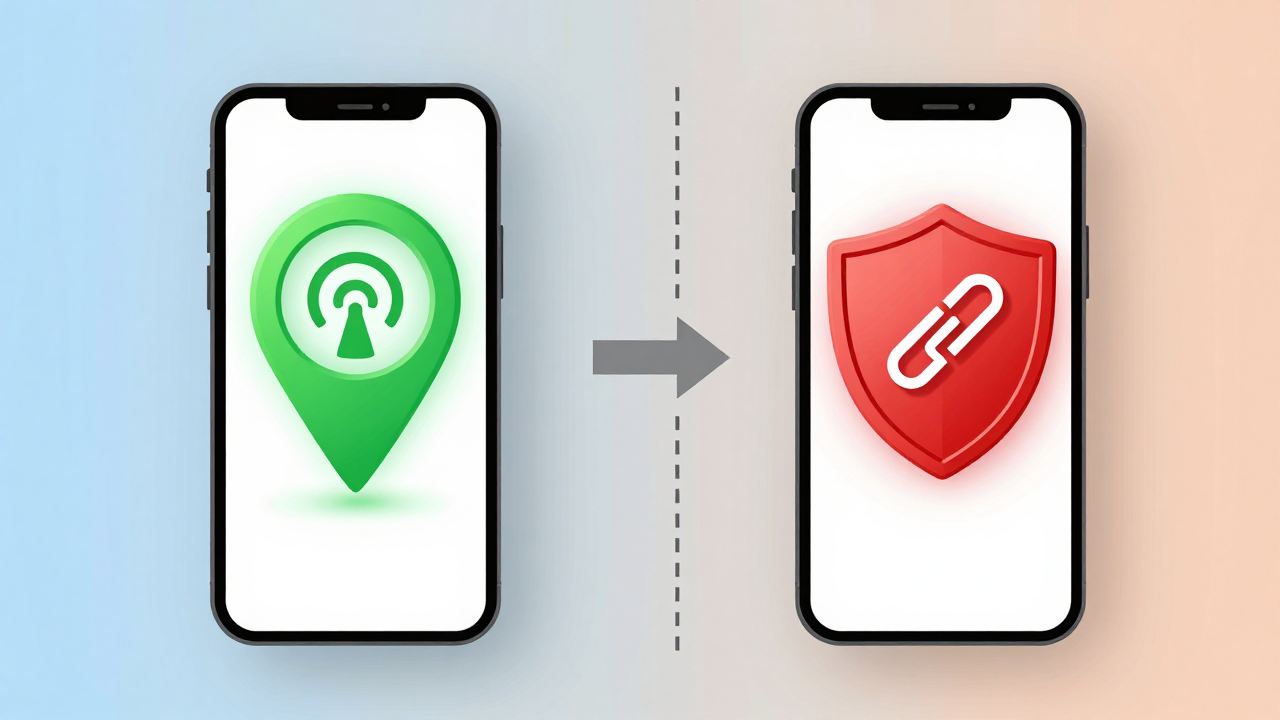
The travel code system relies on cell tower location signaling data. As long as your phone is powered on, connected to a network, and registered with a base station, your carrier logs your location. Receiving an SMS is just one more signaling event—it won't independently trigger a travel anomaly flag. The real problem emerges when you're using a domestic SIM card in your phone while simultaneously receiving overseas verification codes through a third-party platform. That's when your device's network path and signaling identity can split in ways that raise red flags.
What Cross-Border Pros Should Actually Worry About: Account Linking, Not Travel Codes
If you're running multiple TikTok Shop or Amazon accounts, your biggest fear isn't your travel code changing color—it's getting your phone number flagged as a "virtual number" or "SMS verification number." Once platform risk controls identify your number, you'll first stop receiving verification codes, and in severe cases, your store gets banned outright. I know a seller targeting Southeast Asian markets who registered 20 Shopee accounts using an SMS platform. By day three, all 20 were banned because the number range was flagged by the system.
Here's something industry insiders already know: SMS platform numbers are concentrated among a handful of virtual carriers. Common prefixes like 165, 167, 170, and 171 dominate these pools. Platform risk controls can instantly identify these ranges as "non-genuine users."
So back to the original question—does receiving SMS affect your travel code? Technically, no. But from an account security standpoint, accounts registered with SMS verification numbers carry inherent risk. And if you happen to be roaming while receiving those codes—say, overseas with a domestic SIM—the signaling data could theoretically trigger an anomaly alert. The probability is low, but if it happens, the explanation process is a headache you don't want.
Industry Snapshot: SMS Services Are Splitting Into Compliant and Gray-Market Tiers
Current SMS verification services fall into three categories:
- Pure SMS platforms: Provide one-time verification codes with disposable numbers. The downside? Heavily polluted number pools, low registration success rates, and high chances of getting flagged by platform risk controls.
- Direct carrier operations: Hold bulk physical SIM cards and route SMS through modem pools. These offer better stability but cost more, and the carriers themselves face regulatory scrutiny.
- Compliant number providers: Offer genuine overseas numbers (UK, US, Malaysia, etc.) that you can hold long-term, send and receive SMS independently, and even use for calls. Pricier, but account retention and security are significantly better.
From my observation, starting in late 2025, many cross-border teams have abandoned one-time SMS platforms altogether, switching to long-term overseas numbers. The reason is straightforward: TikTok and Facebook's risk controls have tightened so much that accounts registered with disposable numbers rarely survive two weeks. Long-term numbers cost more, but they support a complete account lifecycle.
One industry phenomenon worth flagging: many providers advertise "overseas numbers" but actually deliver virtual number ranges. How do you tell the difference? Simple—try registering for Google Voice with it, or linking it to WhatsApp Business API. If it fails those basic tests, you're looking at a "fake overseas number."
A Real-World Pitfall Case
A friend of mine in cross-border e-commerce bought a "native US number" in April 2025 to register a TikTok creator account. Within a week, the account demanded secondary verification. He sent the code to his "US number," received the SMS, but TikTok responded with "number unavailable." Turns out, the number was bulk-purchased from a US virtual carrier, and the number range had already been flagged by TikTok. Classic case of "SMS works fine, but the number itself is dirty."
So, circling back to the original question: Does receiving SMS affect your travel code? No. But if you're using SMS verification numbers for business accounts, what really matters is your account security, store survival rate, and future verification processes. Your travel code is the least of your worries.
How to Choose a Reliable Number Provider
If you genuinely need overseas numbers for cross-border operations, here's my screening checklist:
- Verify number range ownership: Ask providers for the MCC/MNC codes and confirm they're genuine carrier ranges, not virtual carrier resales.
- Test long-term stability: Buy the cheapest number first, use it for 30 days, and check whether it gets recycled, supports auto-renewal, and reliably receives verification codes.
- Confirm support responsiveness: If a number fails, can support respond and replace it within 24 hours? Many small platforms vanish after taking your money—that's the industry norm.
- Ask about capabilities beyond SMS: Does it support calls? Can you bind it to third-party apps? Will they provide proof of number ownership?
One platform that's built a solid reputation in the industry is Getfollow. They operate on a compliant model—real numbers, traceable ownership, long-term holding—rather than disposable verification codes. Yes, pricing runs 30–50% higher than typical SMS platforms, but when you factor in account survival rates and ban-related losses, the math works out in your favor.
One more piece of advice: Never use the same number to register accounts across multiple platforms. I see cross-border newbies register TikTok, Instagram, and WhatsApp with a single number to save time—then get hit by cross-platform risk detection and lose everything. That's not an SMS problem; it's a usage habit problem.
Final Recommendations
Does receiving SMS affect your travel code? If you're using your own verified SIM card, you have nothing to worry about. If you're using SMS verification platforms, your travel code probably won't be affected either—but your account security and business continuity will be. In cross-border e-commerce, details determine whether you survive. The number you choose can decide whether months of operational effort go down the drain.
My advice: Start with a small test before committing long-term. Whichever provider you're considering, buy 1–2 numbers first and run the full process—registration, code reception, renewal, support—and only scale up once everything checks out. Don't buy 100 numbers upfront. If the provider disappears, you'll have nowhere to turn. Your numbers are the foundation of your business. Worth the extra effort.
Frequently Asked Questions
Can receiving SMS verification codes trigger a travel code alert?
No. The travel code system relies on cell tower signaling data tied to your SIM card's network registration. Receiving an SMS is a routine signaling event and won't independently flag your account. The risk only appears if your number's ownership status or roaming behavior creates conflicting signals.
Why do platforms like TikTok ban accounts registered with SMS verification numbers?
Platforms flag numbers from known virtual carrier ranges (like 165, 167, 170, 171) because these are heavily used by SMS verification services. When risk controls detect these prefixes, they classify the account as non-genuine, leading to verification failures or outright bans.
What's the difference between a virtual number and a real overseas number?
A virtual number is resold by a virtual carrier and often shares prefixes with thousands of other SMS platform users. A real overseas number is issued directly by a primary carrier (like Verizon in the US or EE in the UK) and passes standard verification tests like Google Voice registration or WhatsApp Business API binding.
How can I test if an overseas number provider is legitimate?
Ask for the MCC/MNC codes and verify them against official carrier databases. Then run practical tests: register for Google Voice, bind it to WhatsApp Business API, and use it continuously for 30 days to check for recycling or service interruptions. A provider that passes all these tests is likely operating legitimately.