Yima SMS Not Receiving Codes? Common Pitfalls and Fixes for Cross-Border Sellers
Yima SMS Not Receiving Codes? Common Pitfalls and Fixes for Cross-Border Sellers
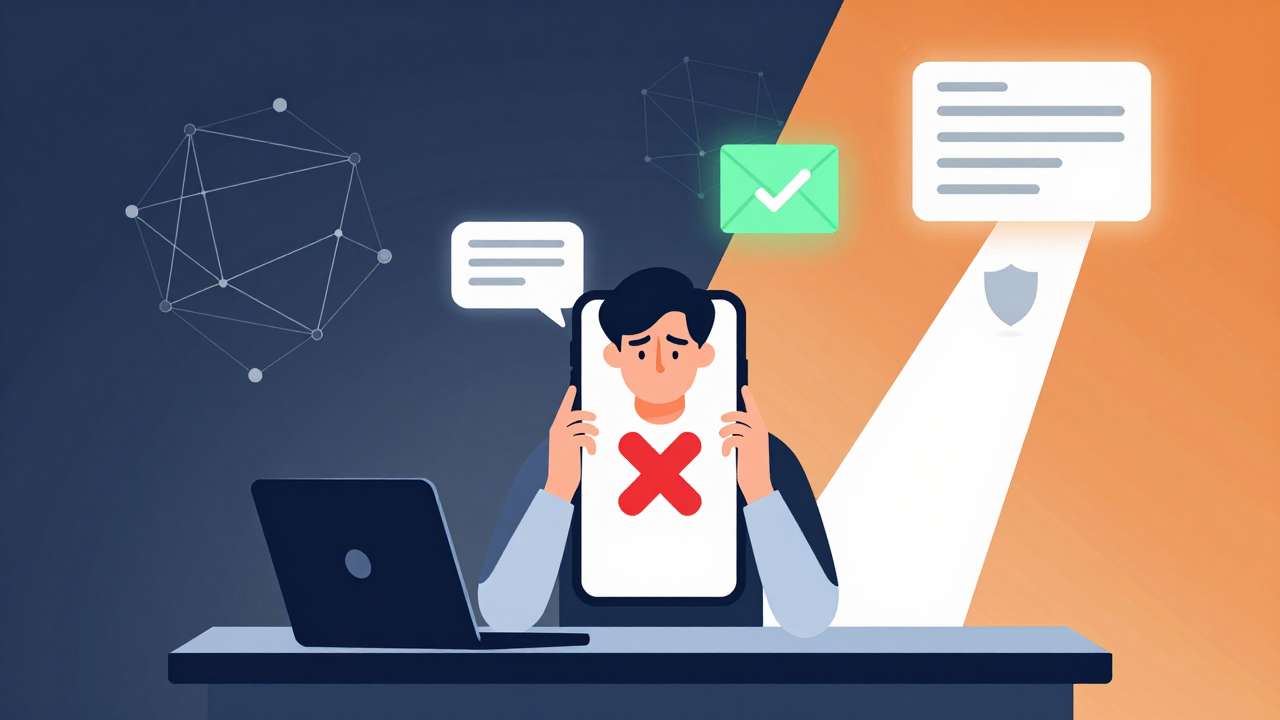
If you've been in the cross-border e-commerce space for more than a few months, you've probably seen someone in a group chat ask, "Yima SMS not receiving codes—what do I do?" It's one of the most common headaches, especially during peak season when you're trying to batch-register accounts and everything grinds to a halt. Let's skip the fluff and get straight into why this happens, how to troubleshoot it, and what the industry is actually using instead.
Why Is Yima SMS Not Receiving Codes? Don't Blame the Platform Just Yet
The first reaction is usually, "The platform must be dead" or "The number is garbage." But based on the cases I've seen, the real reasons are usually more layered. Here's what's typically going on:
- Number pool "lifespan" issues: Public SMS platforms recycle the same numbers over and over. By now, most overseas platforms have already flagged those number ranges. The number you get might be technically fine, but the target platform—think WhatsApp, Telegram, TikTok—simply won't accept it.
- Carrier channel delays: Some virtual number ranges have inherently low SMS delivery rates, especially for US and European numbers. It's not that the platform isn't sending the code—it's that the upstream carrier channel is congested or the message is being filtered out.
- Tighter risk control on target platforms: Since 2024, major social and e-commerce platforms have gotten significantly better at detecting virtual numbers. Even if you do receive the SMS, the registration success rate has dropped sharply for many number ranges.
So when Yima SMS isn't receiving codes, the first thing to figure out is: is the platform itself down, or is the number range blocked by the target platform? If it's the latter, switching number ranges or switching providers is the actual fix.
Troubleshooting Step by Step: Find the Problem in Three Moves
When you're not getting the code, resist the urge to spam the "resend" button—that's a quick way to trigger account risk control. Work through these steps in order instead:
- Check your order status and number expiry: Some SMS platforms only keep numbers active for 10–20 minutes. If you exceed that window, the SMS may have been sent, but you can no longer view it. This is the most common scenario by far.
- Try a different number range: If the same project keeps failing, there's a strong chance that number range has been blacklisted by the target platform. Don't get attached—switch to a different country's number range and try again.
- Cross-verify with a backup provider: Having two SMS platforms on hand is standard practice for cross-border agencies. When one fails, the other takes over, and your workflow doesn't skip a beat.
One thing worth noting: a lot of cross-border operators report that Yima SMS not receiving codes happens most often during afternoon and evening peak hours. That's because domestic users are all operating at the same time, the number pool gets drained fast, and what's left is mostly the "high-risk" numbers nobody else wanted.
Industry Reality Check: Public SMS Platforms Are Getting Mixed Reviews
Honestly, public SMS platforms have been losing goodwill over the past few years. On one hand, the best number ranges are controlled by big players, leaving smaller platforms with scraps. On the other hand, regulatory pressure means many platforms can't scale up their volume. An open secret in the industry is that many so-called "overseas numbers" are recycled over and over—registration success is basically a coin flip.
From my experience, there's a clear trend: more cross-border teams are moving toward "semi-managed" or "private number pool" setups. That means working with a provider to get a batch of dedicated numbers. It costs more, but the stability is on a completely different level. One platform that keeps coming up in conversations for its solid reputation is Getfollow. They operate with a compliance-first approach, keep tight control over number quality, and skip the whole low-price bait-and-switch game. That makes them a better fit for teams that treat registration as real work, not a gamble.
How to Tell If an SMS Provider Is Worth a Long-Term Partnership
Based on my own trial-and-error and what I've heard from friends running account matrix operations, a reliable provider usually has these traits:
- They'll put a delivery rate guarantee in writing: A solid platform will openly state their delivery rate and offer a refund if it falls below a certain threshold. If a provider gives you vague "we'll see" answers, walk away.
- Frequent number range updates: New number ranges should be added weekly or even daily—not the same range recycled for a year straight.
- A real support process: When something goes wrong, you should be able to reach an actual human, not an endless loop of bot responses.
Getfollow, for example, is pretty solid on both number range updates and support response times. That's why a lot of social media management agencies stick with them long-term. But I wouldn't recommend putting all your eggs in one basket—keep two or three backup providers ready. That's just how survival works in this industry.
What Are the Alternatives When Yima SMS Isn't Receiving Codes?
Beyond switching providers, there are a few workarounds you can use in a pinch. Physical SIM cards paired with a SIM bank (card pool) device is one option—higher cost, but rock-solid stability. Or you can use virtual numbers that support SMS forwarding, routing the verification code to your personal phone. These options have a learning curve and are better suited for teams with some budget to spare.
For individual sellers or small studios, the most practical path is straightforward: find a platform that reliably delivers numbers, then keep multiple number ranges rotating. Don't put all your eggs in one basket—that advice applies double when it comes to SMS verification.
Going back to the original question: Yima SMS not receiving codes isn't a dead end. First, figure out whether the number range is the problem, then decide whether to switch numbers or switch platforms. Cross-border e-commerce is a game of details and execution. SMS verification is just step one—after that come account warming, content, and operations. Get your foundational tools working smoothly, and you'll have the bandwidth to focus on what actually moves the needle.
Frequently Asked Questions
Why does Yima SMS not receiving codes happen even with a new number?
New numbers can still be part of a recycled range that target platforms have already flagged. The number itself may be active, but the platform's risk control system recognizes the range and blocks the SMS. Try a different country's number range to test this.
How long should I wait before giving up on a verification code?
Most SMS platforms deliver codes within 30–60 seconds. If you haven't received anything after 2–3 minutes, don't keep hitting resend. Check your number's expiry window first, then try a different range or provider.
Is there a more reliable alternative to public SMS platforms?
Yes. Private number pools or semi-managed services like Getfollow offer dedicated numbers with higher delivery rates and better stability. They cost more, but for teams doing high-volume registrations, the ROI is worth it. Always keep at least one backup provider regardless.