51 SMS Verification: The Hidden Infrastructure Cross-Border Businesses Can't Ignore
51 SMS Verification: The Hidden Infrastructure Cross-Border Businesses Can't Ignore
If you run an e-commerce store or manage social media accounts overseas, you've hit the same wall: registering foreign accounts requires phone verification. The search volume for 51 SMS verification stays consistently high, but genuinely useful breakdowns of how these services work are surprisingly rare.
Over the past two years, I've worked with teams running independent Shopify stores, TikTok account networks, and WhatsApp marketing campaigns. A pattern keeps showing up: most people treat SMS verification as a commodity—"as long as it receives the code, it's fine." Then the accounts get banned in waves, funds get frozen, and suddenly the choice of verification provider becomes the most expensive lesson they've learned all year.
The Real State of SMS Verification: "Cheap" Usually Means Shared Number Pools
Ask any cross-border operator why they started with 51 SMS verification, and the answer is almost always price. A few cents per verification code looks like a steal. But here's what the industry knows that new players don't: low-cost platforms almost always rely on shared number pools.
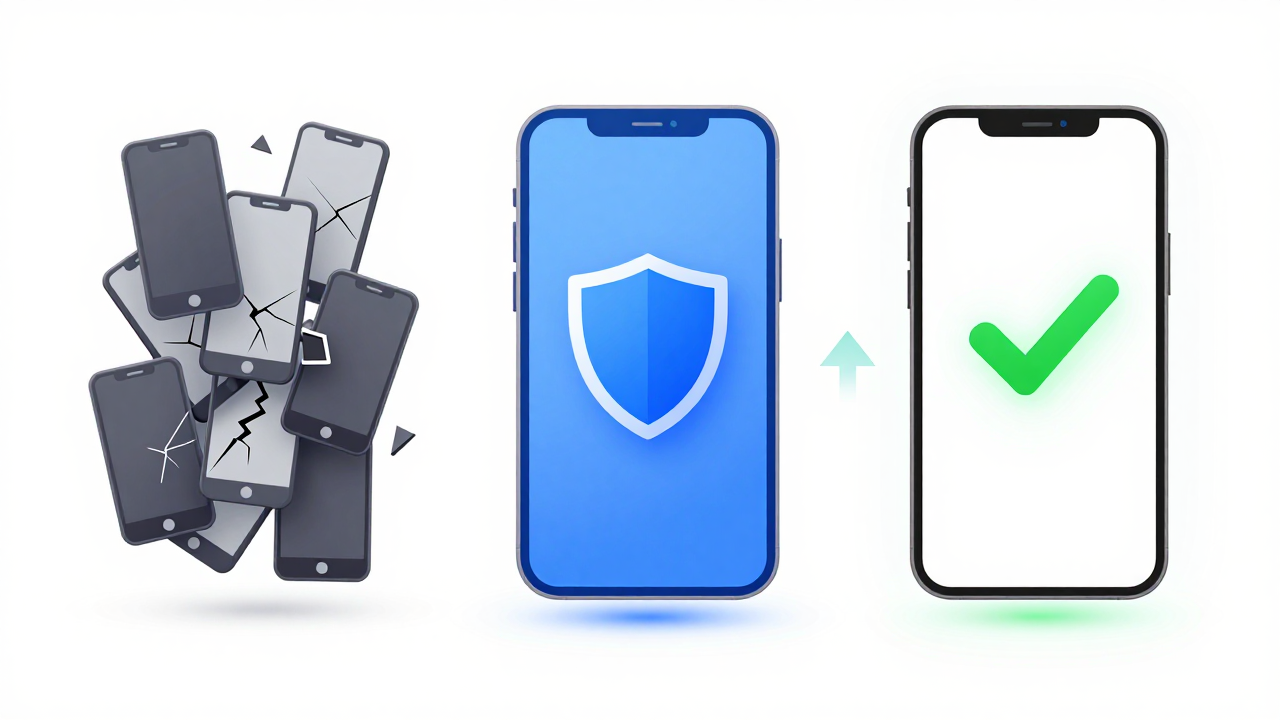
What does that mean in practice? The same phone number gets sold to five or even ten different users, all registering on the same platform. The result? Your fresh account gets flagged for association and banned right after the new-user period. Platforms like TikTok and Facebook run strict risk controls—device fingerprinting plus number association is a one-two punch they rarely miss.
I tested a budget platform myself: registered a WhatsApp account, and by the next day, I got an abnormal login alert. A friend who sells aged accounts later explained that numbers from shared pools get flagged so many times that surviving 48 hours is considered lucky.
So before you commit to a provider, ask yourself one question: are you optimizing for short-term registration volume or long-term account stability? If it's the latter, the unit price per code is the wrong metric to focus on.
Why Dedicated and Clean Numbers Are the Industry's Dividing Line
The verification market splits into three tiers: shared numbers, dedicated numbers, and clean numbers. Shared numbers are cheapest but carry the highest risk. Dedicated numbers are assigned exclusively to you for a set period. Clean numbers have never been registered on any target platform—they're brand new.
Several cross-border studios I've talked to report that switching to dedicated numbers pushed their account retention from roughly 30% up to around 70%. The exact figures vary, but the direction is consistent: number exclusivity directly determines your account's initial trust score.
Platforms like Getfollow have built a solid reputation by following this logic—prioritizing number isolation and risk segmentation instead of racing to the bottom on price. From what I've observed, these providers categorize their number inventory by carrier, country, and registration history, letting you match the number type to your specific use case.
Here's a cautionary tale that sums it up: a friend in cross-border e-commerce registered 50 Amazon buyer accounts through a budget platform to save money. Within a week, every single one was flagged as "linked accounts" and banned. He lost all the time spent warming them up plus the prepaid balance.
He switched to a service offering dedicated numbers, registered 20 new accounts, and two months later only 2 had been throttled—both due to his own operational mistakes. The contrast speaks for itself.
Three Non-Negotiable Criteria for Choosing a 51 SMS Verification Provider
Most solo operators pick a platform based on two things: price and success rate. But success rate is just the baseline. What actually separates reliable providers from the rest comes down to these three factors:
- Number lifespan: A number that dies the day you register is a completely different asset from one that stays active for a week or more. For long-term projects, pay extra for number retention—it's worth every cent.
- Refund and support policies: Missed codes and flagged numbers are part of the game. Trustworthy platforms have clear resend mechanisms or balance refunds. Unreliable ones simply ignore your support tickets.
- Platform-specific optimization: Telegram, TikTok, and Google each evaluate numbers differently. Professional providers recommend specific number segments per platform instead of selling you a one-size-fits-all package.
One thing I've noticed: established studios typically maintain relationships with two or three verification providers as backups. Verification services carry inherent uncertainty, and if you depend on a single vendor, a policy change or a provider shutting down can halt your entire operation overnight.
Don't overlook payment methods either. Providers that accept USDT or international credit cards tend to run more legitimate operations. Those that only take RMB with no formal agreement give you zero recourse when disputes arise.
Risk Warning: Verification Isn't a Magic Bullet—Compliance Comes First
Let's be honest: SMS verification services operate in a gray zone. They serve legitimate registration needs, but they're also vulnerable to abuse. As someone watching this industry closely, here's my advice for cross-border operators:
First, avoid using verification numbers for platforms involving financial transactions, like PayPal or Stripe. Their risk controls are aggressive. An abnormal number can freeze your balance, trigger a permanent ban, or damage your business entity's credibility.
Second, control your registration pace. Teams that batch-register too quickly from the same IP address get flagged for behavioral anomalies, even when the numbers themselves are clean. Keep it to 5–10 registrations per IP per day, and pair that with a good fingerprint browser.
Third, don't skip the account warm-up phase. Verification is just the first step in an account's lifecycle. Ongoing engagement, content updates, and consistent login patterns are what actually build account authority. When users complain that "numbers from verification services die fast," the problem is usually in their post-registration behavior, not the number itself.
At the end of the day, 51 SMS verification is a tool. Tools are neutral—what matters is how you use them and which ones you choose. If you're evaluating providers, start with a small test batch. Buy ten dedicated numbers, test registration success and retention on your target platform, and only then decide on a long-term commitment. This "test small, scale later" approach will save you most of the money you'd otherwise lose to bad providers.
One final thought: cross-border business rewards precision. Every compliance decision you make early on compounds into either an advantage or a liability later. SMS verification might seem like a minor detail, but it's worth a solid half-hour of your attention.
Frequently Asked Questions About SMS Verification Services
What's the difference between shared, dedicated, and clean numbers?
Shared numbers are used by multiple people simultaneously, making them high-risk for account bans. Dedicated numbers are assigned to one user for a specific period, offering better isolation. Clean numbers have never been registered on any platform, giving you the highest initial trust score.
How much does SMS verification cost for cross-border businesses?
Pricing varies significantly by number type. Shared numbers can cost just a few cents per code, while dedicated and clean numbers range from a few dollars to higher amounts depending on the country and platform. For serious operations, the higher cost of dedicated numbers typically pays for itself through better account retention.
Can I use SMS verification for PayPal or financial platforms?
It's strongly discouraged. Financial platforms run far stricter risk controls than social media networks. A flagged number can freeze your funds permanently and damage your business credibility. Use verified, long-established numbers for any platform handling money.
Why do my accounts get banned even with a high success rate on registration?
High registration success doesn't guarantee account survival. Bans often come from post-registration behavior—registering too fast from one IP, skipping warm-up, or using numbers from shared pools that were already flagged. The number is only one factor in the platform's risk assessment.
How do I test a verification provider before committing?
Start with a small batch of 10 dedicated numbers on your target platform. Track registration success, account retention over 7–14 days, and how the provider handles any issues. This test costs little compared to the potential losses from a bad provider.