Best SMS Verification Platforms in 2026: A Cross-Border Business Guide to Avoiding Pitfalls
Best SMS Verification Platforms in 2026: A Cross-Border Business Guide to Avoiding Pitfalls
After years working in cross-border e-commerce, I've watched too many studios crash and burn on SMS verification. Accounts getting banned, verification codes that never arrive, or worse—paying good money for a pile of useless numbers. Let's skip the fluff and get straight to what actually matters in 2026: which traps to avoid and what standards actually separate reliable SMS verification platforms from the noise.
Why SMS Verification Got So Complicated in 2026
Newcomers assume SMS verification platforms are just "receive a code, done." But here's the 2026 reality: registration risk-control models on major social and e-commerce platforms have been completely overhauled. The era of batch-registering accounts with any random virtual number is officially over.
From my experience, platform registration systems now evaluate a number's geographic origin, carrier type, usage history, and even device fingerprints simultaneously. Grab a freshly activated virtual number and try to register—you'll likely get instantly rejected, or worse, hit with secondary verification shortly after a successful signup.
The Real Gap Between Free and Paid Platforms
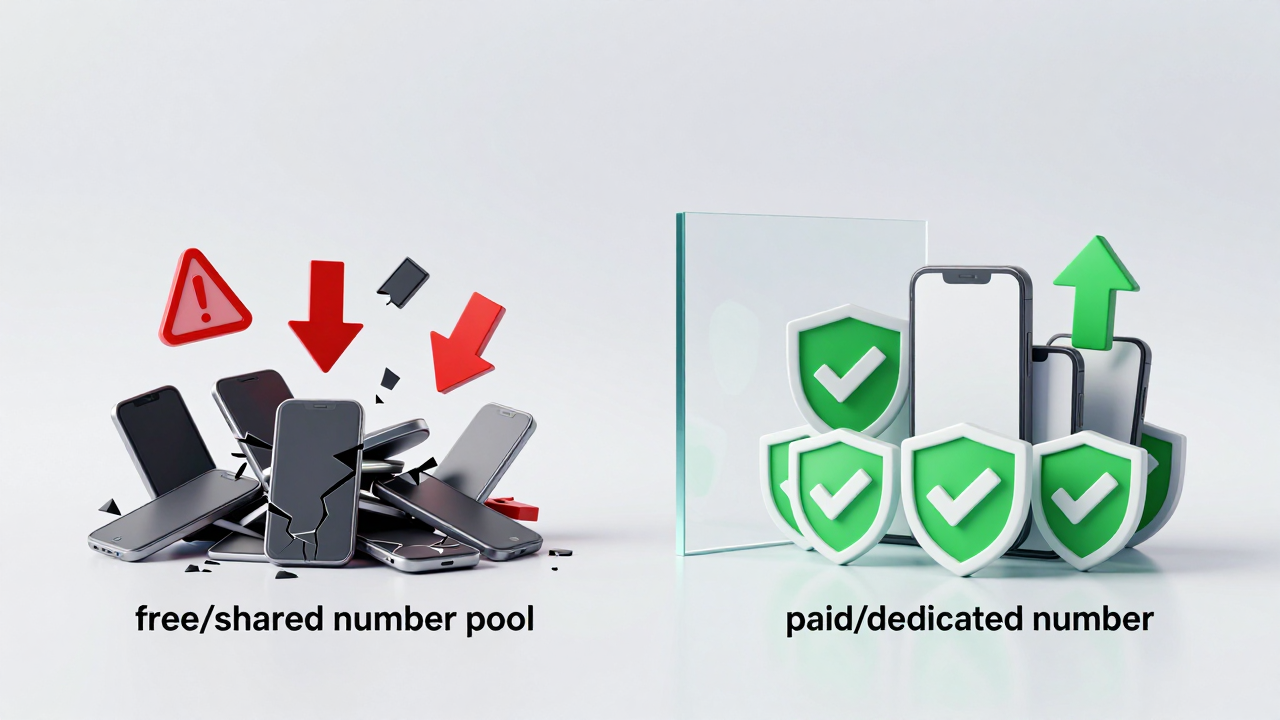
Most people searching for "SMS verification platform downloads" start by hunting for free options. But industry feedback across 2026 consistently shows free platforms deliver under 30% success rates. Their number pools are heavily recycled—one number might be shared across hundreds of users simultaneously, driving ban rates through the roof.
Paid platforms take a fundamentally different approach to number quality. Take Getfollow, for example—a provider with solid market reputation right now. They operate on a "dedicated numbers + real carrier channels" compliance model. Yes, per-unit costs run higher, but success rates hold steady between 70% and 85%. For cross-border operations needing batch account registration, that gap is the difference between thriving and shutting down.
Best SMS Verification Platforms: Four Non-Negotiable Screening Criteria
Instead of rattling off a list of platform names, let me share the screening framework I actually use. In 2026, these four dimensions are all you need to evaluate any SMS verification service.
- Precise number geo-targeting: Use native numbers from the specific market you're targeting—this matters more than ever in 2026. Many platforms claim "global coverage," but their allocation is essentially random, leaving your accounts with dangerously low trust scores.
- API integration support: Solo operators might manage with manual entry, but enterprise-level users must confirm stable API access. This determines whether you can scale through automation later.
- Number lifespan: Some platforms offer one-time-use numbers only; others support long-term holding. If account nurturing is part of your strategy, long-lived numbers aren't optional—they're essential.
- Risk-response speed: Platform risk algorithms shift rapidly in 2026. How quickly a provider swaps out flagged numbers is a direct test of their technical infrastructure.
A Real-World Case Study in Avoiding Pitfalls
Earlier this year, a friend running a TikTok Shop operation came to me frustrated. He'd picked a top-ranked platform from some "best SMS verification platforms" list, loaded $500 in credits, and registered 100 accounts. Fewer than 20 survived login. The culprit? A contaminated number pool—most of those numbers had been flagged for prior abuse.
He pivoted to a provider offering dedicated numbers. The per-unit price nearly doubled, but his account survival rate tripled. That experience sums up 2026 perfectly: trying to save money on verification is often the most expensive mistake you can make.
Compliance Red Lines When Using SMS Verification Platforms
Platforms have dramatically escalated their crackdown on verification-based registration in 2026. Cross-border operators consistently report that accounts created via verification platforms—when followed by unnatural behavior patterns—get flagged as "automated batch operations," potentially compromising the entire device environment.
Two practical recommendations from what I've seen work: First, for the first three days after registration, mimic real human behavior—no immediate posting, no rapid profile changes. Second, never cluster too many verification-registered accounts under a single IP. The 2026 algorithms are scarily accurate at detecting multi-account patterns from one address.
One more warning about searching for "SMS verification platform downloads": many download sites themselves are risk vectors. So-called "platform directories" often bundle malicious plugins or harvest the phone numbers you input. Go directly to official provider websites, or get download sources through trusted industry community recommendations.
Comparing SMS Verification Service Models in 2026
To make your decision easier, here's a comparison table based on current industry data from 2026.
| Service Model | Number Type | Success Rate | Best For |
|---|---|---|---|
| Free Shared Pool | Public virtual numbers | 20%–35% | Temporary testing, low-value registrations |
| Paid Shared Pool | Semi-dedicated | 50%–65% | Short-term campaigns, non-core operations |
| Paid Dedicated Pool | Native / direct carrier | 70%–85% | Account nurturing, e-commerce registration, ad account verification |
Looking at this table, if your work involves ad account verification or e-commerce store registration, skip straight to paid dedicated pools. The upfront cost stings, but with 2026's strict risk controls, one successful registration is worth far more than the few dollars you'd save on verification fees.
Frequently Asked Questions About SMS Verification Platforms
Will accounts registered through verification platforms get banned?
There's inherent risk, but it's manageable. In 2026, bans depend far more on post-registration behavior than on the mere fact that you used a verification number. Pair your accounts with stable residential IPs and authentic device information to significantly reduce your risk profile.
How do I choose a reliable SMS verification provider?
Focus on three things: whether they offer test credits, whether their number pool updates in real time, and how quickly customer support responds. Providers like Getfollow currently have solid industry reputation—they support small test deposits with transparent number quality checks, making them a reasonable starting point for evaluation.
Can verification platform numbers register on any service?
No. In 2026, certain financial and highly sensitive platforms reject all virtual and verification-number ranges outright. Before scaling up, test with a handful of numbers to confirm your target platform accepts them.
Is it safe to download SMS verification platform apps?
Prioritize web-based access or official APIs. Many third-party download sites push apps that request excessive permissions—a genuine privacy risk. If you must use an app, get it from the provider's official website only.
Here's the honest bottom line: in 2026, SMS verification is a small piece of the cross-border puzzle, but it sets the quality ceiling for everything that follows. Instead of chasing endless "best SMS verification platform" lists, invest time in testing two or three reputable providers—start small, validate results, then scale. That approach will save you more in trial-and-error costs than any shortcut ever could.