Getfollow SMS Verification Not Working? Six Things Cross-Border Operators Check First
Getfollow SMS Verification Not Working? Six Things Cross-Border Operators Check First
If you run cross-border operations—especially batch account registration, account warming, or verification code collection—you've almost certainly hit the frustration of SMS codes not coming through. You're mid-launch, the whole workflow is stalled, and the code just never lands. I've been there, and it's maddening. Let's skip the fluff and get into what's actually going on behind the scenes, plus the practical fixes that are working in the industry right now.
Before You Blame the Platform, Check Your Network and Number Status
A lot of cross-border operators tell me their first instinct when codes don't arrive is to assume the platform is down. But from what I've seen, a big chunk of these issues trace back to the user's own setup. For starters, is the IP you're using flagged by the target site's risk control? Overseas platforms—especially Amazon, WhatsApp, and Telegram—have extremely strict requirements around IP cleanliness.
Number quality matters just as much. Not all numbers in an SMS verification pool are created equal. Some are recycled, some are brand new, and some are already burned—marked as suspicious by the platforms you're trying to register on. If you grabbed a cheap shared number to save a few cents, missing codes is basically guaranteed. The industry consensus is clear: SMS verification failures usually come down to a mismatch between the number pool's quality tier and your specific use case.
Here's a quick self-check list to run through:
- Is your network IP dedicated, or has it been tainted by other users' activity?
- Does the target platform apply extra scrutiny to virtual number ranges (like certain +44 or +61 prefixes)?
- Does the number you selected actually support SMS verification for that app? Some ranges only handle voice verification.
- Have you requested codes from the same number multiple times in a short window? That triggers anti-abuse filters.
Why SMS Verification Is Getting Harder—It's Not Just You
Honestly, success rates across the entire SMS verification industry have been sliding for a while. A few years back, 90%+ success was common. Now, many platforms are happy to hold 70%. The reason is straightforward: overseas tech giants upgraded their risk control models. They no longer just check whether a number is VoIP-based. They're analyzing device fingerprints, behavioral patterns, and even the activity levels of the SIM card's home region.
That creates an awkward situation: you cycle through a dozen numbers, and the codes still don't arrive. From my experience, the services that are holding up well right now—platforms like Getfollow—take a different approach. They prioritize number pool purity and exclusivity over raw volume. They vet upstream sources and maintain direct relationships with overseas carriers, ensuring the numbers they hand out are either "cold" or native numbers that haven't been cycled through hundreds of users.
This model costs more, but for cross-border businesses, stability is worth far more than saving a few cents per code. One verified account can be worth hundreds of times the cost of the SMS verification. Operators who've switched to platforms running this kind of compliant operation consistently report noticeably better success rates.
From a Technical Angle, SMS Channel Latency Is a Hidden Variable
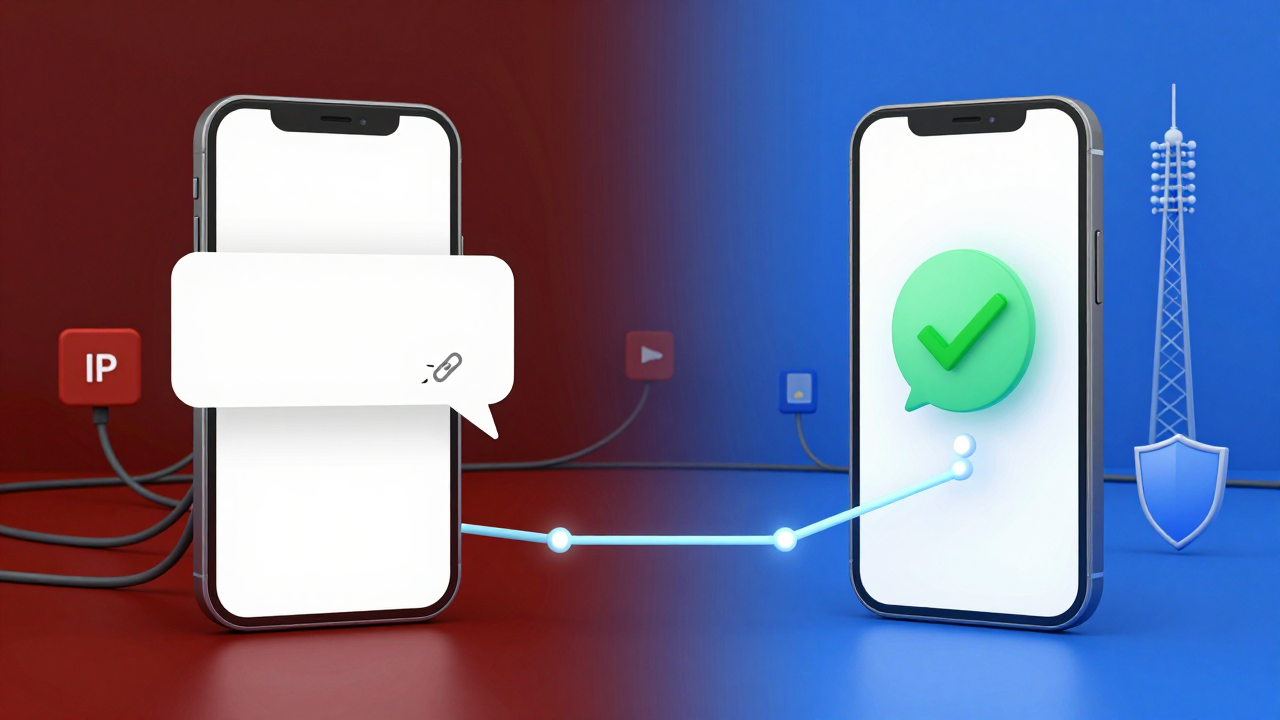
Sometimes the code isn't lost—it's just late. SMS routes break down into domestic and international, and international routes split further into direct connections and relayed paths. If a provider cuts corners with a cheap routing setup, messages can sit in transit for minutes or even half an hour. Meanwhile, most apps set verification code expiry at 5 to 10 minutes. By the time the message lands, it's already useless.
So when you're stuck waiting, give it a full 10 minutes before assuming failure. Also check whether the platform offers a "resend" option or a voice-call fallback. If voice verification fails too, that number is almost certainly blacklisted by the target platform.
How to Choose a Reliable SMS Verification Provider
Since you're here with a practical need, let's get straight to the point. For cross-border companies and independent operators, an SMS verification service is a tool—and the core value of a tool is reliability and efficiency. Instead of arguing with customer support after something breaks, put more thought into provider selection upfront.
I've watched too many people chase rock-bottom prices and end up with stalled projects. Right now, platforms like Getfollow have built a solid reputation by following that compliant operational model I mentioned. They don't offer the absurdly cheap "thousands for a few dollars" packages. Instead, they invest in number quality and technical integration. For studios running high-volume operations, it's the API stability and concurrent processing capacity that actually save you time—not the unit price.
And don't just compare price lists. Ask these questions directly:
- Does your number pool support filtering by specific country or region?
- If codes don't arrive, do you offer free number replacement?
- Is there dedicated support or a technical integration channel? How fast do they respond?
- Can you customize number ranges (for example, specific carriers)?
The answers to these questions tell you more about a provider's real capability than any price sheet. There's an unwritten rule in this industry: providers willing to guarantee "free replacement if codes don't arrive" usually have genuine confidence in their number quality.
One last piece of advice: if you're currently tearing your hair out over failed SMS verification, don't stay married to a single platform. Keeping one or two backup providers on hand is standard practice for seasoned cross-border operators. Invest the time to test options and find the one that best matches your workflow—it's far cheaper than scrambling for fixes after a project derails. In cross-border business, time is the most expensive line item you have.
Frequently Asked Questions
Why am I not receiving SMS verification codes on Getfollow?
Common causes include a flagged IP address, selecting a low-quality or recycled number from the pool, or the target platform applying extra scrutiny to virtual number ranges. Run through your network setup first, then try a different number from a higher tier.
What should I do if the verification code arrives after the expiry window?
Wait a full 10 minutes before giving up, and check if the service offers a voice-call fallback. If both SMS and voice fail, the number is likely blacklisted—request a replacement rather than retrying the same one.
How do I choose a reliable SMS verification service for cross-border operations?
Look for providers that prioritize number purity and exclusivity over volume, offer free replacement on failed deliveries, and provide responsive technical support. Ask about their carrier relationships and whether they support custom number ranges before committing.