Receiving SMS Verification Codes on Your Phone: The Invisible Backbone of Cross-Border Business
Receiving SMS Verification Codes on Your Phone: The Invisible Backbone of Cross-Border Business
After years working in cross-border e-commerce, I've learned one hard truth: every account registration, platform verification, and payment binding comes down to receiving SMS verification codes on your phone. You're not going to buy ten physical SIM cards to register ten Amazon seller accounts, and you're definitely not carrying around a dozen phones. Cloud-based SMS receiving services became a necessity for a reason.
But necessity breeds a crowded market full of sketchy providers. I've watched entire studios lose batches of accounts because they chased penny-per-message "bargain codes" — the losses dwarfed anything they saved. This article isn't hype and it isn't hate. It's a straight look at how the industry actually works, where the traps are, and how to choose a provider that won't burn you.
Three Main Types of SMS Verification Services: Can You Tell Them Apart?
Every provider in the SMS verification space calls itself a "receiving platform," but the underlying models couldn't be more different. I break them into three rough categories so you can see exactly what you're dealing with.
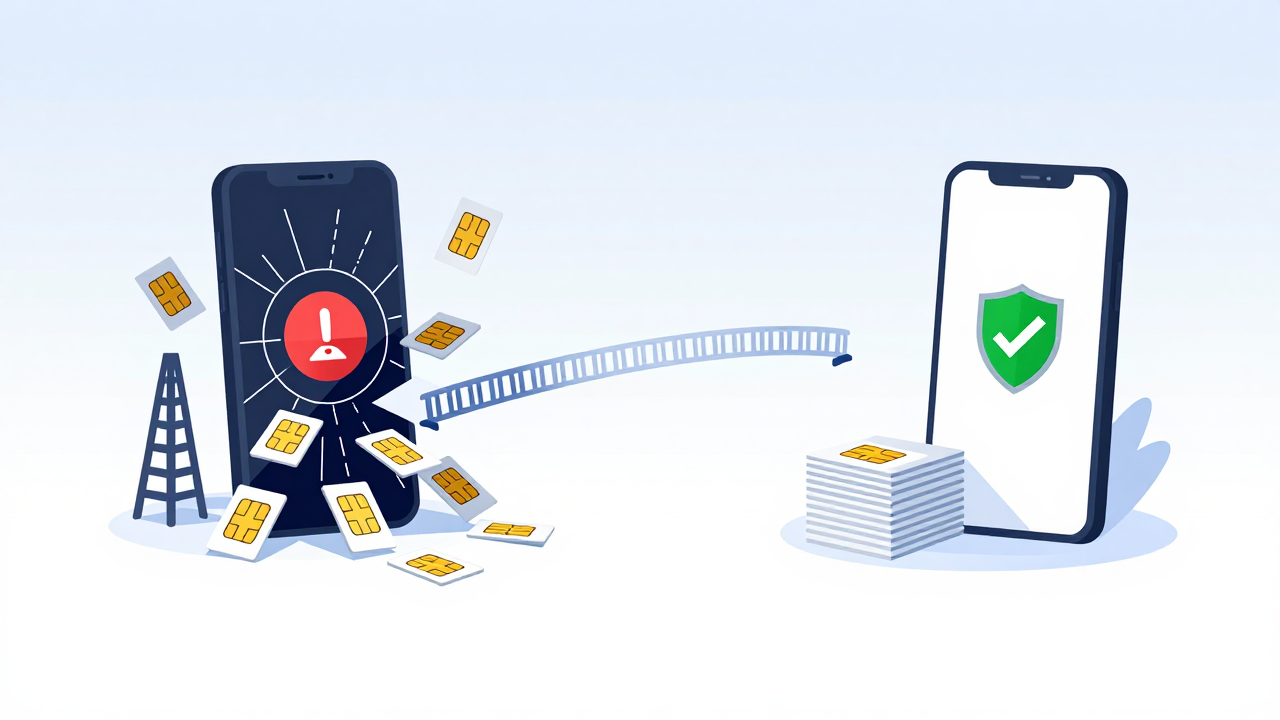
- Pure virtual number pools (cheapest, riskiest) — These are VoIP numbers or throwaway virtual numbers generated in bulk from servers. The cost is absurdly low. But major platforms flag these numbers as high-risk immediately. You'll likely trigger fraud detection during signup, or get hit with a second verification right after registering — except the number's already been recycled, so your account is effectively dead on arrival.
- Physical SIM card pools with dynamic allocation (the mainstream compliant route) — Providers buy physical SIM cards in bulk and use hardware pooling technology to rotate numbers across users. These numbers carry real "authenticity" weight, and verification success rates stay consistent. The most reliable platforms in this space — Getfollow being a solid example — operate on exactly this compliant model, with documented number lifespan and success rate data.
- Direct carrier API connections (rare, high barrier to entry) — This means partnering directly with telecom carriers to source numbers through official channels. It's the most compliant model, but costs are high and vetting is strict. Only enterprise-level clients get access; individual operators basically never will.
Cross-border operators consistently report that the first model looks like a money-saver but ends up being the most expensive option. Every cent you save upfront becomes tears when your accounts are locked with no appeal path.
Three Hidden Risks Behind "Cheap SMS Verification" That Could Kill Your Accounts
I've seen too many people sort SMS receiving platforms by price and pick the absolute cheapest option. Here's what usually happens next.
Risk one: Number recycling causes verification code cross-talk. Some platforms sell the same number to multiple users repeatedly. You receive a registration code, and simultaneously, another buyer gets the same code on the same number. The platform's backend flags it: two IPs, two devices, one verification code. Guess who gets banned?
Risk two: Abysmal number retention rates. Plenty of platforms advertise "permanent use," but in practice, numbers get recycled within hours — sometimes minutes. You register an account, haven't even linked a payment method, and the number vanishes. Password resets, account recovery, secondary verification — all impossible. Industry consensus puts legitimate platform retention rates between 50% and 70%. Anything below that range is a trap.
Risk three: The privacy time bomb. SMS receiving platforms technically can read every message sent to numbers they control. If the platform's security is weak — or an insider goes rogue — your account verification codes, payment notifications, even password reset links can be intercepted. This isn't fear-mongering. In 2024, a small SMS platform suffered a data breach that exposed and sold thousands of users' registration details.
So when vetting providers, don't fixate on unit price. Ask the hard questions first: Are numbers exclusive or shared? How long is the retention window? Is API callback supported? Is data encrypted?
A Simple Two-Step Test That Filters Out 90% of Shady Platforms
Here's a field-tested method I've used myself. It costs almost nothing and delivers immediate results.
When you get a trial number from any SMS receiving platform, don't rush to register your main business accounts. Run two checks first:
- Step one: Register a "sacrificial" account you don't care about — a random forum, a throwaway email service, anything low-stakes. After 24 hours, try logging in or resetting the password using that number. If the SMS still comes through, retention is at least passable.
- Step two: Buy another number at the same price point two days later — check whether the new number falls in the same range or batch as before. If both purchases land in similar number blocks, the platform's pool is small, which means one fraud-detection sweep can wipe out everything at once.
Cross-border operators tell me these two steps alone eliminate most "cheap trap" providers. I used the same method to cut through several seemingly affordable options before settling on one or two long-term partners.
Balancing Compliance and Efficiency: Which Setup Fits Your Business?
Now let's get practical. Different business scenarios demand completely different approaches to receiving SMS verification codes.
If you're running a cross-border e-commerce store matrix, number "cleanliness" and dedicated IPs are non-negotiable. Look for platforms that support API integration and custom IP binding — even at a higher unit price, it's worth every cent.
If you're a solo operator or small studio registering social media accounts or receiving notification codes, a mid-tier physical SIM pool platform covers your needs. Don't pay for premium features you'll never use.
If you're just doing temporary testing — say, verifying a registration flow on some overseas software — the cheapest virtual number works fine. There's no long-term asset at stake.
Here's a quick comparison to help you decide:
| Business Scenario | Recommended Model | Acceptable Price Range | Key Priorities |
|---|---|---|---|
| Store matrix / account nurturing | Physical SIM pool + API | Mid-to-high | Number exclusivity, IP binding, retention rate |
| Daily registrations / notifications | Physical SIM pool (shared) | Low-to-mid | Success rate, response speed |
| Temporary testing / one-off use | Virtual numbers | Very low | Only for non-critical scenarios |
This table isn't a definitive answer, but it'll help you quickly map your needs. Don't chase "cheapest" or "most expensive" out of the gate. Match the solution to the job.
Final Thoughts: SMS Receiving Is a Tool, Not a Business Strategy
Here's an uncomfortable reality about receiving SMS verification codes: no platform can guarantee 100% success. Providers are locked in a constant arms race with fraud-detection systems at major tech companies. A number range that works today could be flagged tomorrow.
My advice has always been the same: test small first, then commit long-term. No matter where you heard about a platform — even if a friend vouches for it — spend a few dollars on trial numbers and run through your actual workflow. Once stability checks out, then consider bulk top-ups or monthly plans.
Also, always keep an escape route. For critical accounts, choose binding numbers that support number portability or long-term holding. Paying a bit more beats waking up one day to find your provider vanished and every account turned into an orphan.
At the end of the day, you're not buying SMS codes. You're buying certainty and peace of mind. Avoiding one bad provider matters more than saving a dime on each message.
Frequently Asked Questions About Receiving SMS Verification Codes
What is the safest way to receive SMS verification codes for cross-border business?
The safest approach is using a platform that operates physical SIM card pools with exclusive number allocation and API integration. These providers maintain real carrier-grade numbers with documented retention rates and success metrics. Always test with small batches before committing significant funds.
Why do cheap SMS verification services get accounts banned?
Low-cost services typically rely on virtual number pools or recycled numbers that platform fraud-detection systems have already flagged. When multiple users share the same number or IP range, verification codes get cross-matched, triggering automatic bans. The savings on unit price rarely outweigh the cost of losing accounts.
How long do SMS verification numbers stay active?
Industry-standard retention rates range from 50% to 70% for legitimate platforms. Reputable providers typically guarantee number availability for at least 24 to 72 hours, with some offering extended holding periods for an additional fee. Anything below that range signals a high-risk provider.
Can I use a virtual number for SMS verification?
Virtual numbers work for low-stakes, one-time tasks like testing a registration flow or receiving a single notification. For business-critical accounts, payment bindings, or store matrices, physical SIM-backed numbers are strongly recommended due to their higher trust score with platform verification systems.