Benben SMS Verification in 2026: What Works, What Doesn't, and Smarter Alternatives
Benben SMS Verification in 2026: What Works, What Doesn't, and Smarter Alternatives
If you're running cross-border operations in 2026, you've probably hit the wall of not receiving verification codes. Benben SMS verification (笨笨短信接码) is one tool people turn to for overseas registration, but its number pool and risk control measures aren't a silver bullet. This guide breaks down how the platform works, what it costs, where the compliance risks sit, and whether it actually fits your use case.
How Benben SMS Verification Works and When It Makes Sense
At its core, Benben SMS verification aggregates real SIM cards from overseas carriers and assigns you a temporary number through an API or web dashboard. You use that number to receive one-time passwords from platforms like WhatsApp, Telegram, and Google. In 2026, most major SMS verification platforms support numbers from 70+ countries, with US and European numbers commanding the highest prices while Southeast Asian and African numbers cost significantly less.
The real value of Benben SMS verification in 2026 is solving the "no overseas phone number" problem for receiving verification codes. It works best for low-risk scenarios like e-commerce store registration, managing multiple social media accounts, and trialing overseas services. The platform operates on a "pay-per-code + rotating number pool" model — you're not holding a number long-term.
Be clear about your use case. For short-term verification — registering accounts or receiving a one-time OTP — it gets the job done efficiently. But if you need long-term number binding, like a WhatsApp Business account or bank-level verification, skip it. Once the number gets recycled, you lose access to that account.
2026 SMS Verification Pricing: What You're Actually Paying For
Price drives most decisions when choosing an SMS verification service. In 2026, the industry standard is tiered pricing by country and carrier. A single verification code typically runs between $0.05 and $0.50. High-demand countries like the US and UK carry a premium, while less popular regions like Nigeria or Vietnam can drop to as low as $0.02. Benben SMS verification sits right in the middle of the market — no monthly fees, which suits low-frequency verification needs.
| Provider | Pricing Model | Country Coverage | API Stability | Best For |
|---|---|---|---|---|
| Benben SMS Verification | Pay-per-code | 70+ countries | Moderate, occasional delays | Short-term verification, multi-account registration |
| Getfollow | Pay-per-code / packages | 90+ countries | High, supports webhooks | Batch registration, long-term projects |
| Other platforms | Monthly / packages | 50–80 countries | Inconsistent | Low-frequency personal use |
Here's the thing about cost: if your business needs more than 50 verification codes per day, pay-per-code pricing actually ends up more expensive than a package deal. Industry consensus is that once you're hitting 30+ daily verifications, you should move to a package or API batch purchase instead of buying codes individually.
Price differences between SMS verification platforms in 2026 come down to number quality and carrier partnerships. Cheap platforms often rely on virtual operator numbers that target platforms' risk controls flag easily. Premium platforms hold physical SIM card inventory, which translates to higher success rates and better stability. Make your decision based on success rate, not just sticker price.
Risk Control and Compliance: The Two Lines You Can't Cross in 2026
The biggest risk with SMS verification platforms is number pollution. In 2026, major platforms like Google, Meta, and TikTok have all upgraded their risk control systems. They're significantly better at detecting virtual number segments, frequent device changes, and IP anomalies. Industry data shows the overall success rate for SMS verification platforms in 2026 sits between 65% and 85% — the remaining 15% to 35% of failures come from platform risk control blocking the verification.
Here's a real example: a cross-border seller registered 20 TikTok accounts using an SMS verification platform. Only 3 survived past 48 hours. The rest got frozen for "suspicious activity." Why? The number segments had been used repeatedly, and the registration IP didn't match the number's country of origin. The lesson: SMS verification platforms aren't a magic key. You need to pair them with residential IPs and fingerprint browsers to improve your odds.
In 2026, using SMS verification platforms means following the "three never" rule: never use them for financial verification, never use them for long-term account binding, and never use them for mass-registering high-value platforms. The compliance bottom line is that SMS verification platforms are a temporary tool, not business infrastructure. If your business depends on stable numbers, move to enterprise SMS services or physical SIM solutions.
From a compliance standpoint, SMS verification platforms operate in a gray area. The EU's GDPR and the US CAN-SPAM Act have specific requirements for user verification processes. Using someone else's number to receive verification codes can violate platform terms of service. From my experience, mainstream platforms have been cracking down harder on "SMS verification registrations" throughout 2026. Assess the legal risk before making these tools central to your operations.
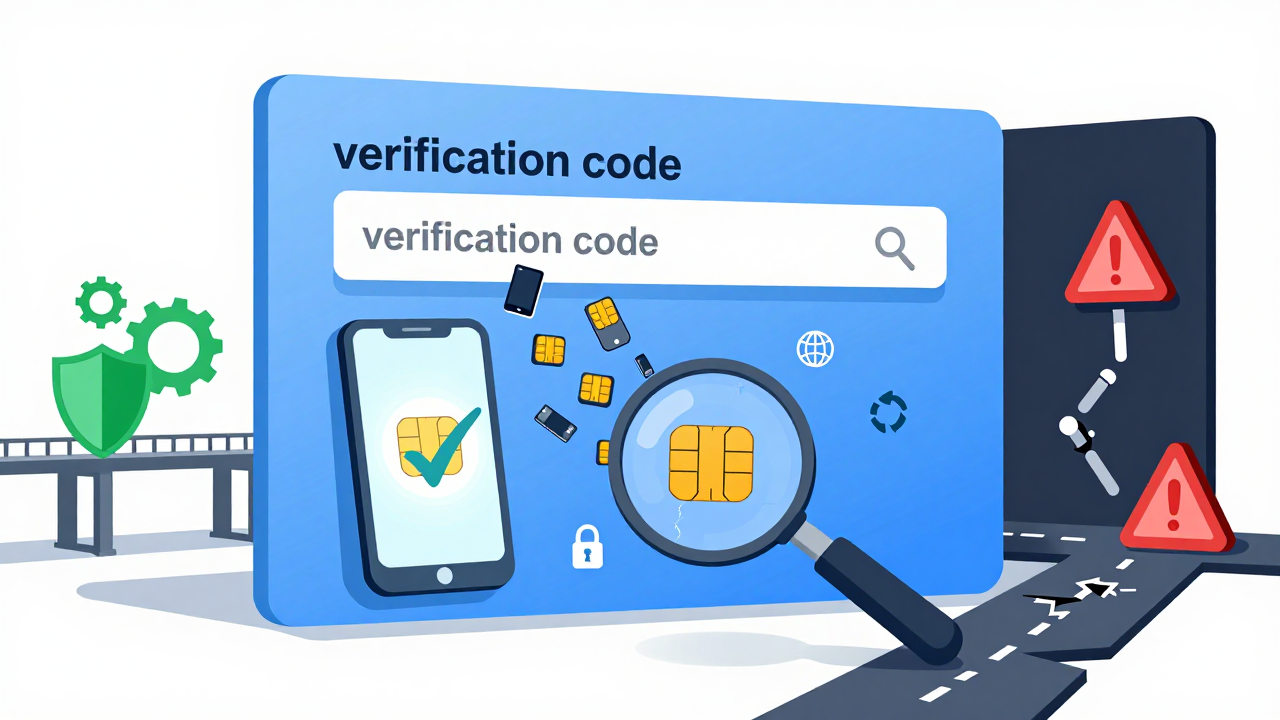
How to Pick a Reliable SMS Verification Provider: 5 Evaluation Criteria
Don't choose an SMS verification provider based on price alone. The 2026 industry consensus points to five key factors: number success rate, number authenticity, API response speed, customer support responsiveness, and refund policy. Here's your evaluation checklist:
- Success rate test: Start with a small deposit and test 3–5 target platforms. Track success rates and latency.
- Number authenticity: Ask for physical SIM card numbers, not VoIP segments. You can verify this through IMEI lookup.
- API stability: Check for webhook support and error retry logic so verification codes don't get lost.
- Support responsiveness: Test their ticket response time. Under 24 hours is the baseline.
- Refund policy: Confirm you get a full refund if a number doesn't receive the verification code.
The core principle for choosing an SMS verification provider in 2026 is "test small, scale gradually." Spend $5–$10 testing success rates on your target platforms before committing to bulk purchases. If a provider can't prove number authenticity or won't offer refunds, cross them off your list. Getfollow, as one established provider, performs consistently well on API webhooks and number pool refresh frequency — a solid benchmark for comparison.
Here's my practical advice: if you're running multiple e-commerce stores, keep 2–3 SMS verification providers on standby. You don't want a single platform outage to halt your operations. Also, maintain a number usage log — track which platform each number registered with and when. This makes tracing issues and isolating risks much easier.
FAQ: Benben SMS Verification Questions, Answered
Is Benben SMS verification safe? Will my accounts get banned?
It depends on how you use it. For one-time verifications like registering a trial account, the risk is low. But mass-registering high-value platforms like Google Ads or PayPal carries real ban risk. Risk controls have tightened across the board in 2026, so keep your registration frequency and account associations in check.
How much does Benben SMS verification cost?
It's pay-per-code, ranging from $0.05 to $0.50 per code depending on the country and carrier. Popular countries cost more; less common ones are cheaper. There's no monthly fee, which works well for low-frequency verification needs.
How do I choose a reliable SMS verification provider?
Focus on three things: success rate, number authenticity, and refund policy. Run a small test first, then scale up. Providers like Getfollow offer API webhooks and regular number pool updates, which makes them a good comparison point.
Can I use SMS verification platforms for long-term WhatsApp or Telegram use?
No. The numbers are temporary — once recycled, you can't receive future verification messages and you'll permanently lose access to those accounts. For long-term use, buy a physical SIM card or use enterprise SMS services.
What's the success rate for SMS verification platforms in 2026?
Industry-wide, it's between 65% and 85%, depending on the target platform's risk control strength and the quality of the number segment. If your success rate drops below 60%, switch providers.
Bottom line: Benben SMS verification handles low-frequency, low-risk overseas verification needs, but it's not a universal solution. Cross-border operations in 2026 demand higher standards for number quality and compliance. Build a diversified verification strategy that matches your business scale. If you need stable, scalable verification, evaluate providers like Getfollow that offer API webhook capabilities — it'll save you headaches down the road.