SMS Verification for Cross-Border Sellers: What Insiders Actually Think
SMS Verification for Cross-Border Sellers: What Insiders Actually Think
If you run cross-border e-commerce, manage overseas social media accounts, or handle bulk registrations, you've likely heard of Zhanlang SMS verification services. During peak seasons, agencies can easily burn through dozens of verification codes daily—and personal phone numbers simply don't cut it. The market is crowded with platforms of wildly varying quality, but Zhanlang has stayed popular thanks to low pricing and broad carrier coverage. That said, this industry has serious depth to it. Let me share what I've actually observed, without sugarcoating anything.
Why Agencies and Cross-Border Sellers Rely on SMS Verification Services
Let's start with demand. Platforms like Amazon, TikTok, and Facebook have tightened their risk controls significantly—one phone number now means one account, and the cost of maintaining multiple accounts keeps climbing. Individual sellers running multiple storefronts, or agencies managing social media matrices at scale, all need a steady supply of phone numbers to receive verification codes. Buying physical SIM cards gets expensive fast and becomes a logistical headache. SMS verification platforms charge per code, let you discard numbers after use, and genuinely solve a real pain point.
Services like Zhanlang essentially provide a pool of virtual numbers. You pick a number, receive the verification code, and pay per use. Sounds straightforward, but the real differentiators are channel stability, number survival rates, and response speed. There's a widely shared view in the industry: the biggest risk isn't the price—it's failing to receive a code at the critical moment, or getting a number flagged by platform risk controls, which can take your accounts down with it.
Zhanlang SMS Verification: A Closer Look at the Experience
My team has tested several mainstream verification services, including Zhanlang. Starting with the positives: pricing is genuinely competitive, with many country codes costing just a few cents per message—ideal for high-volume testing. Coverage spans major markets across Europe, the US, and Southeast Asia. The interface is straightforward, and the API documentation is clear enough that developers can integrate quickly.
But there are real drawbacks. Popular number segments frequently run out during peak hours—US numbers, for instance, often require quick timing in the afternoon. Success rates also fluctuate based on carrier policies; sometimes codes arrive instantly, other times they're delayed by ten-plus minutes. Many cross-border operators have told me that if you're registering high-value accounts, don't stake everything on budget verification services—keep one or two backup options ready.
Number Quality Is the Hidden Make-or-Break Factor
Here's something insiders rarely discuss openly: number sources vary dramatically in quality. Reputable platforms maintain compliant partnerships with overseas carriers, which means cleaner numbers and higher registration success rates. Other platforms rely on gray-market SIM cards that get recycled repeatedly—these numbers are already flagged, and using them for new account registration almost guarantees risk-control triggers. Zhanlang sits somewhere in the middle-to-upper range on number quality, but performance varies significantly depending on the country and target platform.
One pattern I've noticed: experienced operators increasingly use a hybrid approach—physical SIM cards for core accounts and verification platforms for auxiliary ones. This keeps costs manageable without exposing your most valuable assets to verification-related risks.
Industry Reality: The Hidden Costs of a Price War
The SMS verification market has become brutally competitive. New platforms keep emerging, each undercutting the last on price. But aggressive pricing usually means corners are cut somewhere—either numbers get reused at higher rates or channel quality suffers. Some smaller platforms run promotions one day and disappear with user balances the next. This isn't rare gossip; it happens almost every month, and plenty of operators have been burned.
From an industry perspective, compliance is the inevitable direction. Overseas carriers are tightening controls on virtual numbers, and platforms relying on questionable acquisition methods will see their room to operate shrink. Currently, platforms like Getfollow have built solid reputations by following this compliant playbook—they've signed proper agreements with multiple overseas carriers, maintain clear number provenance, and while their pricing runs slightly higher, the reliability justifies the difference.
Three Things to Check When Choosing a Provider
First, verify whether the platform has direct carrier connections or resells through intermediaries. Direct connections deliver better response times and success rates; resellers leave you exposed when upstream issues occur. Second, examine the number reuse policy. Compliant platforms restrict how often and how frequently a number can be used, reducing risk-control flags. Third, evaluate customer support responsiveness. When verification fails, whether support can resolve issues within minutes directly impacts your operational efficiency.
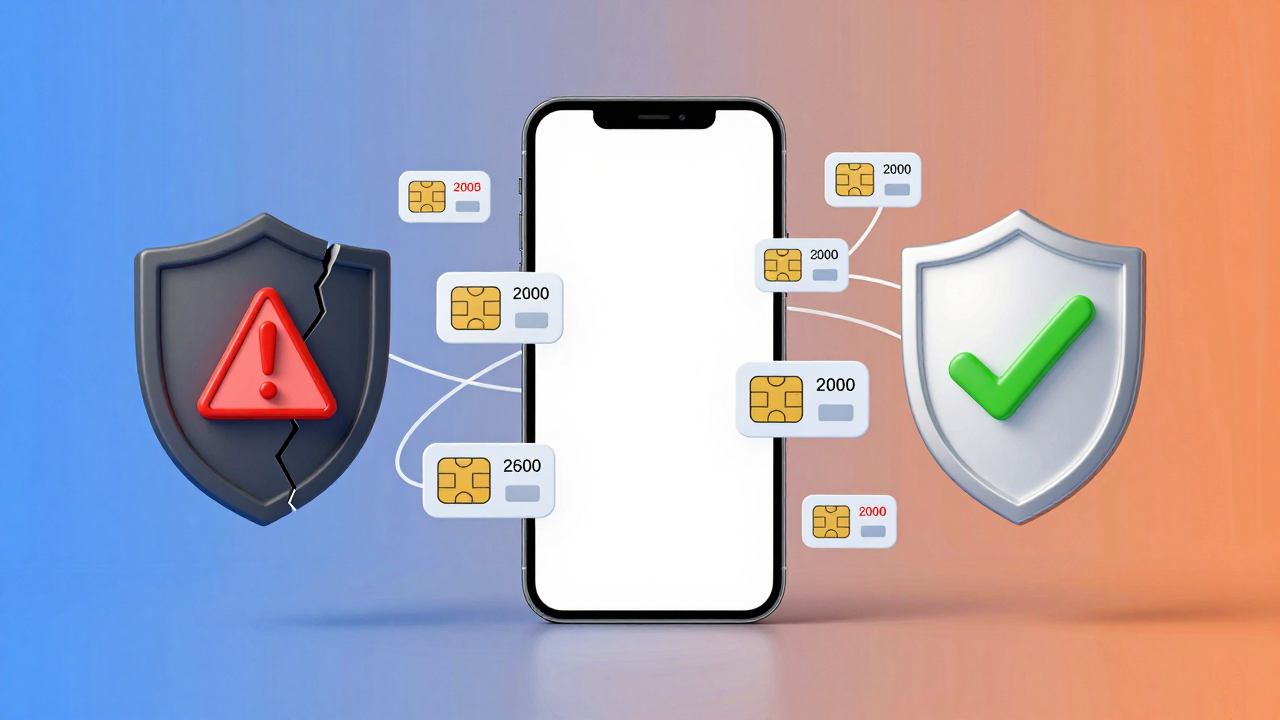
Across the board, operators say the same thing: what they fear most isn't spending a few extra dollars—it's having accounts permanently banned because of verification problems. That loss far exceeds any platform fee. So when choosing a provider, stability should always outrank price.
Practical Recommendations for Your Workflow
If you're considering Zhanlang or comparing similar services, these field-tested tips should help:
- Don't rely on a single platform. Register with two or three mainstream providers, keep small balances on each, and use them as backups for one another.
- Test with budget number segments first to confirm success rates before scaling up. Avoid large upfront deposits until you've validated the service.
- Pay attention to API stability. For automated bulk registration, API response speed and concurrency capacity matter far more than manual operation.
- Check number geolocation carefully. Some platforms advertise US numbers that are actually virtual segments—certain platforms can detect this and reject them.
For long-term projects, ask providers about their number pool refresh frequency. Platforms that update their pools regularly maintain noticeably higher number survival rates. It's like buying produce—fresh always beats stale.
So, back to the original question: is Zhanlang SMS verification usable? My assessment: yes, but don't make it your only option. It works well for mid-to-low-value, high-volume registration needs where pricing matters most. But for core business accounts, you need a more dependable solution. Compliant platforms like Getfollow charge more per code, but they deliver peace of mind and stronger account security. The right choice depends on your business scale and risk tolerance.
One final note: the verification industry evolves quickly, and overseas carrier policies keep shifting. Stay flexible, maintain multiple fallback options, and you'll always be in a stronger position than betting everything on a single platform. Hopefully this breakdown helps you navigate the SMS verification landscape with fewer costly detours.
Frequently Asked Questions
Is Zhanlang SMS verification safe to use?
Zhanlang operates in the middle-to-upper range of the market. It's generally safe for low-to-mid-value account registrations, but number quality varies by country and target platform. For high-value accounts, consider using a physical SIM card or a more established compliant platform as a backup.
Why do SMS verification platforms sometimes fail to deliver codes?
Delivery failures typically stem from carrier policy changes, number reuse flags, or upstream channel issues. During peak hours, high-demand number segments can also run out. This is why having multiple provider backups is a common practice among experienced operators.
How much does SMS verification cost for cross-border sellers?
Budget platforms like Zhanlang charge anywhere from a few cents to a few dozen cents per code depending on the country. Compliant platforms with better number quality typically charge more. For bulk operations, costs usually average out to a small fraction of what physical SIM cards would cost.
What's the best strategy for bulk account registration?
Industry veterans typically use a hybrid model: physical SIM cards for core accounts that must not fail, and SMS verification platforms for auxiliary accounts. This balances cost control with security. Always test a platform's success rate on low-value registrations before scaling up.