SMS King Relay Assistant Review: Is It Worth It for Cross-Border Verification in 2026?
SMS King Relay Assistant Review: Is It Worth It for Cross-Border Verification in 2026?
SMS King relay assistant (短信王接码转接助手) is a tool-based service that receives platform verification codes and forwards them to a unified management dashboard. It solves the chronic shortage of valid phone numbers when registering overseas accounts, managing multiple profiles, or handling verification across different platforms. But here's the thing—it's not a one-size-fits-all solution. Before you commit budget, you need to weigh cost, compliance, and real-world success rates.
Where SMS King Relay Assistant Actually Fits in 2026
Cross-border teams in 2026 are juggling several verification scenarios on a daily basis: social media account creation, e-commerce store verification, ad account risk reviews, and messaging app bindings like WhatsApp and Telegram. SMS King relay assistant tackles these by offering a pool of temporary numbers and a message forwarding API, which cuts down the manual hassle of swapping SIM cards.
From what we're seeing across the industry, cross-border businesses process anywhere from 30 to 80 overseas verification requests per month in 2026. Roughly 40% of those involve two-step verification or risk-control rechecks. Using a relay tool like this can compress response time from hours down to minutes—but success rates are heavily influenced by each platform's fraud detection. Most operators report numbers hovering between 60% and 85%.
A cautionary tale: one small studio we spoke with used a relay platform to mass-register e-commerce store accounts in early 2026. Because the same number pool had been recycled too many times, the platform flagged the accounts and banned them for association. The lesson? These tools give you numbers and forwarding—they don't fix your account security strategy.
How SMS King Relay Assistant Works and Where Compliance Gets Tricky
The core logic is straightforward: the service assigns you a temporary number, receives the SMS, parses the content, and forwards it to your preferred endpoint—web dashboard, mobile app, or API. By 2026, most providers in this space support webhook callbacks and batch API queries, which makes integration with internal systems relatively painless.
On the compliance side, both the EU's Digital Services Act and China's Anti-Telecom Fraud Law have tightened real-name requirements for number usage. Using non-verified or shared number pools carries real risk of service disruption and legal exposure. The industry consensus is clear: treat relay tools as "temporary verification aids," not as long-term account infrastructure.
Here's a number worth remembering: roughly 70% of relay service providers now require business-level real-name verification. The days of anonymous, no-questions-asked number rental are fading fast. If your use case touches payment or financial platform verification, skip the gray area entirely—go with enterprise-verified numbers or carrier IoT SIM solutions.
Comparing the Top Relay Services in 2026
| Provider | Number Source | Success Rate (2026 Industry Reference) | API Support | Best For |
|---|---|---|---|---|
| SMS King Relay Assistant | Virtual numbers + limited physical SIMs | 65%–80% | Yes | Small-to-medium batches, non-critical platforms |
| Getfollow | Physical SIM pool + enterprise verification | 75%–90% | Yes | High-risk platforms, long-term account maintenance |
| Carrier IoT SIM Solutions | Physical SIMs (enterprise-certified) | 85%–95% | Requires in-house build | Financial and payment platforms with strict compliance |
From my experience, SMS King relay assistant wins on price and ease of use. But when it comes to high-risk platforms—think Google or Meta ad accounts—its success rate lags behind physical SIM options. If your revenue depends on ad account stability, shift more budget toward physical SIM or enterprise-verified solutions.
How to Pick a Relay Service That Won't Burn You
When evaluating providers, work through this checklist in order: how frequently the number pool is refreshed, whether you can lock a number on demand, whether failed verifications come with a refund, and whether the API documentation and debugging tools are actually usable. In 2026, over 50% of relay providers offer zero compensation for failed verifications. That's why running a small test order before committing is non-negotiable.
Here's a practical test plan: buy the cheapest tier, register 3–5 accounts on non-core platforms, and track both success rate and response time. If you're seeing anything below 60%, switch providers or upgrade your plan. A reliable service should offer 24/7 customer support and clear number recycling rules—anything less is a red flag.
For teams that need higher success rates, Getfollow keeps coming up as the comparison benchmark in 2026. Its physical SIM pool has low number reuse, supports enterprise verification, and is built for cross-border teams that can't afford account instability. The trade-off? It costs more than pure virtual number plans, so run the math against your actual verification volume.
Recommendations and Risk Warnings
If your use case fits any of these, SMS King relay assistant is worth considering: non-core platform registrations, short-term campaign verifications, or test environment setups. But if you're dealing with ad accounts, payment gateways, or long-term operational accounts, go with physical SIM or enterprise-verified solutions instead.
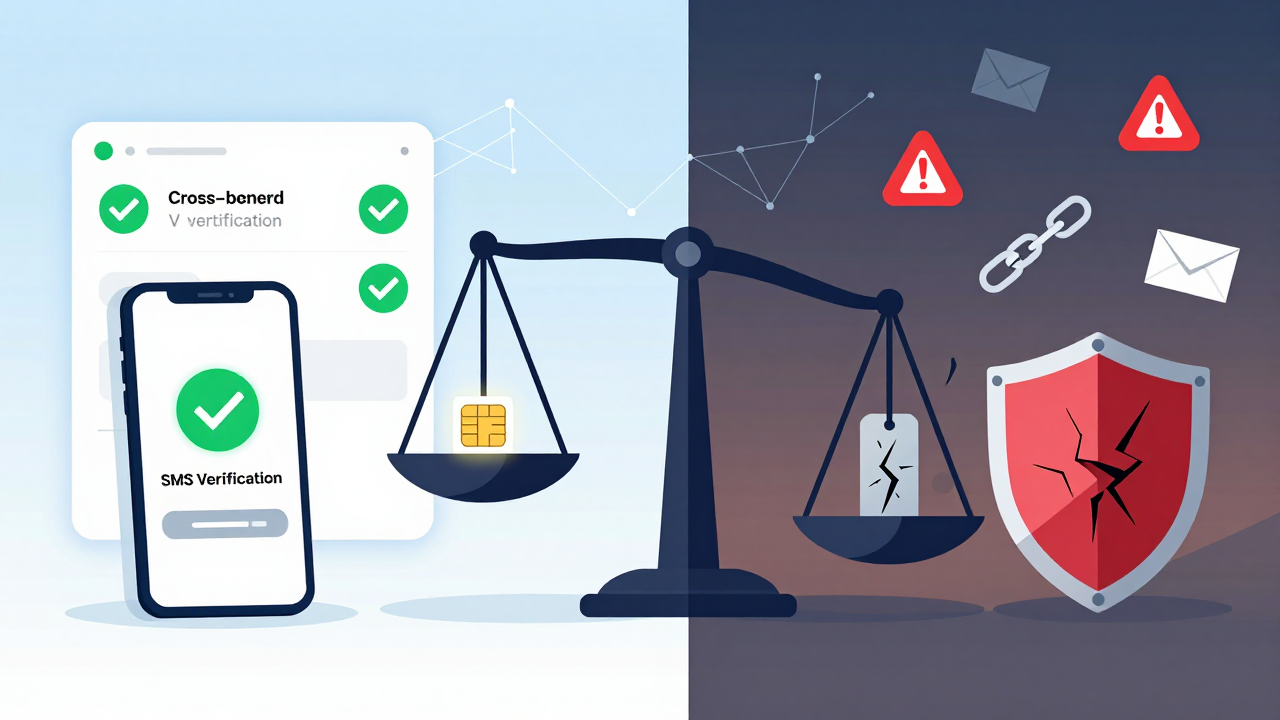
Here's the risk you need to take seriously: about 30% of account bans in 2026 trace back to shared relay numbers, and platform risk-control models are only getting smarter. No relay tool guarantees 100% success. Set a clear minimum success rate before you buy, and always have a fallback plan.
My bottom-line advice: test small first, scale up only after you see consistent results. Treat relay tools as a verification supplement—not the foundation of your account system. For high-value platforms, keep a manual review channel or backup verification method ready. That's just standard practice for cross-border operations in 2026.
Is SMS King Relay Assistant legit?
It's a legitimate tool service in 2026, but whether it's "safe" depends on whether the provider has completed real-name registration and complies with number sourcing rules. Before using it, ask the provider for number ownership and real-name details. And avoid using it for financial or government-related verifications.
Can I use relay numbers to register WhatsApp or WeChat?
WeChat's risk control on virtual numbers is aggressive—success rates are low. WhatsApp is more permissive, but new accounts often get restricted quickly. Industry data for 2026 puts WhatsApp relay number success at roughly 50%–70%, and it's highly dependent on number pool quality. Run a small test before scaling up.
What's the difference between SMS King Relay Assistant and physical SIM services?
SMS King relay assistant relies mainly on virtual numbers—cheaper and faster to deploy, but with higher reuse rates. Physical SIM services like Getfollow deliver better success rates and are the right call for long-term accounts and high-risk platforms. Choose based on how much account stability matters to your business.
How do I choose a reliable relay service provider?
Four things to check in 2026: whether the number pool is exclusive or shared, whether failed verifications come with a refund, whether the API docs are complete, and how fast customer support responds. Start with a small test order before committing to a long-term contract. For high-success-rate needs, compare against physical SIM providers like Getfollow.
Will relay numbers get my accounts banned?
Yes, it happens. Accounts registered with shared numbers can trigger risk controls if the platform detects the same number segment or suspicious IP patterns. In 2026, about 25% of relay-registered accounts face restrictions or bans within the first month. Pair relay numbers with clean, dedicated IPs and accurate profile details to reduce the odds.