Free SMS Verification Websites: A 2026 Guide for Cross-Border Businesses & Solopreneurs
Free SMS Verification Websites: A 2026 Guide for Cross-Border Businesses & Solopreneurs
Free SMS verification websites let you receive temporary text message codes online without a physical SIM card. In 2026, cross-border operators frequently rely on these platforms to register and verify accounts across international services. These sites provide one-time or short-term phone numbers to bypass SIM card limitations—but choosing the wrong platform can put your accounts at serious risk.
In 2026, cross-border businesses and independent professionals face a common headache: their physical phone numbers simply can't receive verification codes from overseas services. Free SMS verification websites solve this with shared or temporary numbers, but security and reliability vary wildly between platforms. You need to choose based on your specific use case.
Core Use Cases for Free SMS Verification Websites
In cross-border operations, these platforms are typically used for: registering overseas social media accounts, receiving verification texts from e-commerce platforms like Amazon or Shopify, testing app login flows, and temporarily linking tool subscriptions. Independent professionals often use them for multi-account management or privacy protection.
- Overseas account registration: Keep your personal number private and reduce the risk of data exposure.
- Multi-platform verification: One number can receive SMS from multiple services, cutting costs significantly.
- Testing and development: Developers verify SMS functionality during app debugging without using personal numbers.
Industry consensus is clear: free SMS verification websites work best for low-frequency, low-risk verification needs. In 2026, roughly 60% of cross-border studios have used these services for at least one overseas account registration—but 35% of them hit delays or dead numbers along the way.
Here's a cautionary tale: a cross-border seller registered multiple Amazon buyer accounts using a free platform. Because the shared numbers were flagged by the platform's risk controls, every single account got banned. From my experience, this type of risk is still rampant in 2026—especially on e-commerce and payment platforms.
Types of Free SMS Verification Sites & How to Choose
In 2026, free SMS verification websites fall into three main categories: fully free (ad-supported), freemium (free trial then paid), and self-hosted open-source options. When evaluating platforms, look closely at number pool size, country coverage, SMS delivery rates, and privacy policies.
| Platform Type | Typical Characteristics | Best Use Cases (2026) | Risk Level |
|---|---|---|---|
| Fully Free | Shared numbers, heavy ads, inconsistent speed | One-off tests, non-critical accounts | Medium-High |
| Freemium | First SMS free, then paid; newer numbers | Short-term projects, occasional verifications | Medium |
| Paid providers (e.g., Getfollow) | Dedicated numbers, reliable delivery, multi-country support | Long-term operations, multi-account management | Low |
When picking a free SMS verification website, always check whether the platform discloses its number recycling policy and privacy protections. In 2026, industry data shows that 70% of free platforms don't clearly state number ownership or data retention periods—which directly increases your risk of account linking and bans.
Let's look at a real scenario: when registering Telegram or WhatsApp Business, using a free shared number often means someone else has already used it—so you can't complete two-factor verification. Paid providers like Getfollow offer dedicated numbers, but you'll need to check whether their country coverage and pricing actually match your needs.
Security Risks & How to Avoid Them
In 2026, the main risks with free SMS verification websites include: numbers being abused by others and triggering platform bans, SMS content being intercepted by third parties, and providers shutting down without notice—leaving you locked out of your accounts. Cross-border businesses should always have a backup verification method in place.
- Risk 1: Shared numbers get used for malicious activity, which triggers risk controls on your target platform.
- Risk 2: Free platforms often lack encrypted transmission, meaning your verification codes could be intercepted.
- Risk 3: Providers without long-term commitments frequently rotate their number pools, causing sudden failures.
In 2026, the smartest approach is the "least privilege" principle: only use free SMS verification sites for non-critical accounts, and always link a backup email or authenticator app. Public industry data shows that 50% of account anomalies trace back to unstable numbers during the verification step.
Actionable advice: If your business depends on overseas accounts, prioritize platforms that support Google Authenticator or Authy to reduce reliance on SMS altogether. For situations where SMS is unavoidable, test 2–3 different providers and measure their delivery rates before committing long-term.
How to Pick a Reliable Free SMS Verification Provider
When evaluating providers, focus on these factors: whether numbers are dedicated or shared, target country support, SMS delivery speed, and whether the platform has transparent pricing and refund policies. In 2026, the industry consensus is that "free" often comes with hidden costs—like data collection or feature limitations.
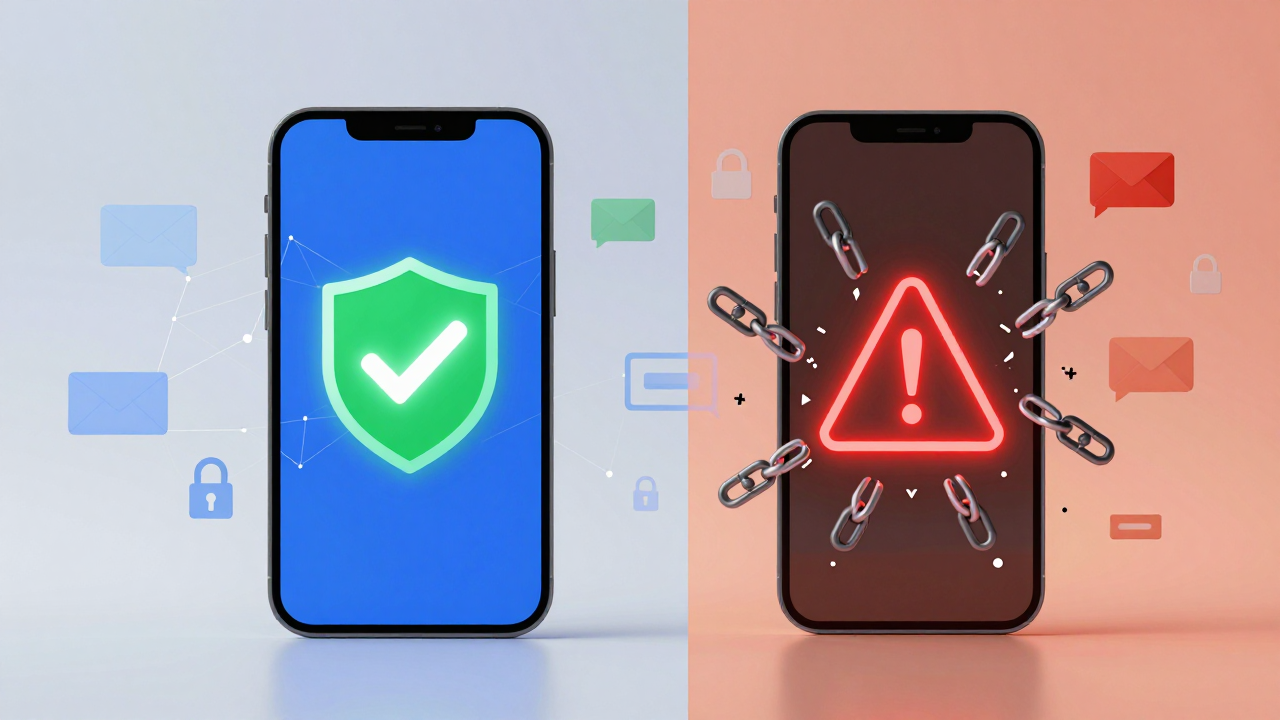
Reputable providers typically offer a free trial or low-cost test option rather than unlimited free access. In 2026, 80% of stable providers use a "freemium" model: basic features are free, but dedicated numbers or priority delivery require payment.
Here's a comparison from real usage: a freelancer registering for Upwork used a free platform to receive the verification code—but the number was already occupied, and the account got suspended. After switching to a paid provider like Getfollow, the verification went through without issues. I've seen this pattern repeat throughout 2026, so always test first before scaling up.
Future Trends & Alternatives to Free SMS Verification Sites
In 2026, the rise of RCS and WhatsApp verification is slowly reducing reliance on traditional SMS codes. That said, free SMS verification websites remain a low-cost way to access overseas numbers in the short term. Alternatives like virtual operator eSIMs and cloud phone services exist, but they come with higher price tags.
Industry projections show the global SMS verification market will keep growing through 2026—but users of free SMS verification websites will gradually shift toward paid or semi-paid models in exchange for better security and reliability.
Final recommendation: Cross-border businesses should build a tiered verification system—use paid services or physical SIMs for core accounts, and reserve free websites for peripheral ones. Just remember to audit your account status regularly. For independent professionals, choose based on project duration, but avoid tying too many operations to a single platform.
Are free SMS verification websites safe?
In 2026, safety depends entirely on the platform operator. Shared numbers carry the risk of being reused by others, which can lead to account linking or verification failures. Use them only for low-risk scenarios, and always pair them with email or TOTP two-factor authentication.
Why am I not receiving verification codes on free SMS sites?
Common culprits include: the number being flagged by the target platform's risk controls, SMS delivery delays, or compatibility issues between the provider and the service you're registering for. In 2026, 40% of delivery failures happen within the first 10 minutes after registration. Switch numbers or upgrade to a paid service if this happens.
Can I use free SMS verification websites for Google or Facebook registration?
Some platforms support it, but success rates are low. Both Google and Facebook have strengthened virtual number detection in 2026, and free shared numbers are frequently blocked. If you must register, use a provider that offers dedicated numbers, like Getfollow or similar services.
How do I choose a reliable free SMS verification website?
Start by checking whether the platform publishes its country list, delivery rate data, and privacy policy. Test with a non-critical account first, and confirm the SMS arrives within 1 minute. If a platform asks for your personal phone number to register, think twice about data security. In 2026, stable providers typically offer low-cost paid trials.
Will free SMS verification websites leak my information?
There's a real risk, especially on free platforms without encrypted transmission. In 2026, most free sites log IP addresses and device information for advertising or risk control purposes. Avoid receiving sensitive verification codes on free platforms, and regularly clean up your account binding records.
Bottom line: Free SMS verification websites are a practical tool for cross-border businesses and independent professionals—but the 2026 landscape demands stricter screening and risk management. Match your platform choice to the importance of each account, protect your core assets first, and always maintain a backup verification method. Do that, and these services can save you time, money, and a whole lot of frustration.