Can SMS Receive Platforms Send Messages? 2026 Technical Limits, Compliance, and Selection Guide
Can SMS Receive Platforms Send Messages? 2026 Technical Limits, Compliance, and Selection Guide
Can SMS receive platforms send text messages? The short answer: no—not for sending. These platforms are built to receive verification codes, not to transmit outbound messages. In 2026, their core function remains providing temporary or virtual phone numbers for receiving registration codes, and the vast majority of legitimate platforms don't offer a sending feature at all.
Cross-border teams often need to register accounts in bulk or verify user identities when expanding overseas. That's why SMS receive platforms have become a go-to "efficiency tool" for many operators. But here's the catch: being able to receive doesn't mean you can send. Understanding this distinction is your first line of defense against account bans and legal headaches.
How SMS Receive Platforms Work and Where Their Limits Lie
At their core, SMS receive platforms pool physical SIM cards or virtual numbers and distribute them to users via API or web interfaces, forwarding incoming messages in real time. By 2026, mainstream platforms support API integration, callback notifications, and number pool management—but outbound SMS capabilities are almost universally restricted.
The industry consensus in 2026 is clear: SMS receive platforms exist to receive verification codes, not to send messages. If your business needs to send notification or marketing texts, you should be looking at professional SMS providers like Twilio or Alibaba Cloud SMS instead.
From a technical standpoint, the number resources on these platforms are optimized for inbound traffic. Building out a reliable sending channel requires additional licensing and infrastructure investment, which is why most platforms simply don't offer it. A handful claim to support sending, but that's typically limited to specific number ranges, and delivery rates are far from guaranteed.
Here's a typical scenario: one cross-border team tried using an SMS receive platform to send order notifications to customers. Messages were delayed by over two hours, and some numbers got blocked by carriers entirely. They eventually switched to a proper SMS provider and solved the delivery problem overnight.
The State of SMS Receive Platforms in 2026: Data and Trends
The industry is splitting into two camps. Top-tier platforms prioritize compliance and stability, while long-tail operators struggle with high number reuse rates and weak risk controls. According to industry data, number reuse rates on SMS receive platforms ranged from 30% to 60% in 2026, meaning the same number often gets assigned to multiple users—which dramatically increases the odds of triggering platform risk controls.
Here's another telling figure: account ban rates caused by detected virtual numbers hit roughly 15% to 25% in cross-border operations in 2026. E-commerce, social media, and fintech platforms have significantly upgraded their ability to flag virtual numbers.
Major overseas platforms like Google, Meta, and Amazon now rely on device fingerprinting and number reputation scoring. Numbers from SMS receive platforms—especially free or low-cost ones—tend to carry poor reputation scores and get flagged as high-risk.
The general consensus: SMS receive platforms work fine for low-frequency, low-risk verification tasks like testing account registrations or receiving one-time codes. For high-frequency or high-value operations, you need numbers tied to verified business identity.
Can SMS Receive Platforms Send Messages? Compliance and Risk Considerations
From a legal standpoint, using SMS receive platforms sits in a gray area. In 2026, China's Anti-Telecom Fraud Law and Personal Information Protection Law have tightened real-name requirements for number resources. Sending messages through unverified or virtual numbers could put you on the wrong side of regulations.
Domestic SMS sending in China now operates under a dual-track system: channel real-name registration plus content review. If an SMS receive platform offers sending capabilities, it needs a value-added telecom business license, and all content must pass review. Using unregistered channels to send messages risks service shutdown and penalties.
Cross-border businesses also need to watch out for regional regulations. The EU's General Data Protection Regulation (GDPR), for instance, has strict rules around user consent and data sourcing. Using numbers obtained from SMS receive platforms to send marketing messages could violate authorization requirements.
A cautionary tale: an e-commerce team used SMS receive platform numbers to send promotional texts to European users. They hadn't obtained explicit consent, got reported to a data protection authority, and ended up with a €20,000 fine. That's a steep price for what seemed like a convenient shortcut.
SMS Receive Platforms vs. Professional SMS Providers: How to Choose
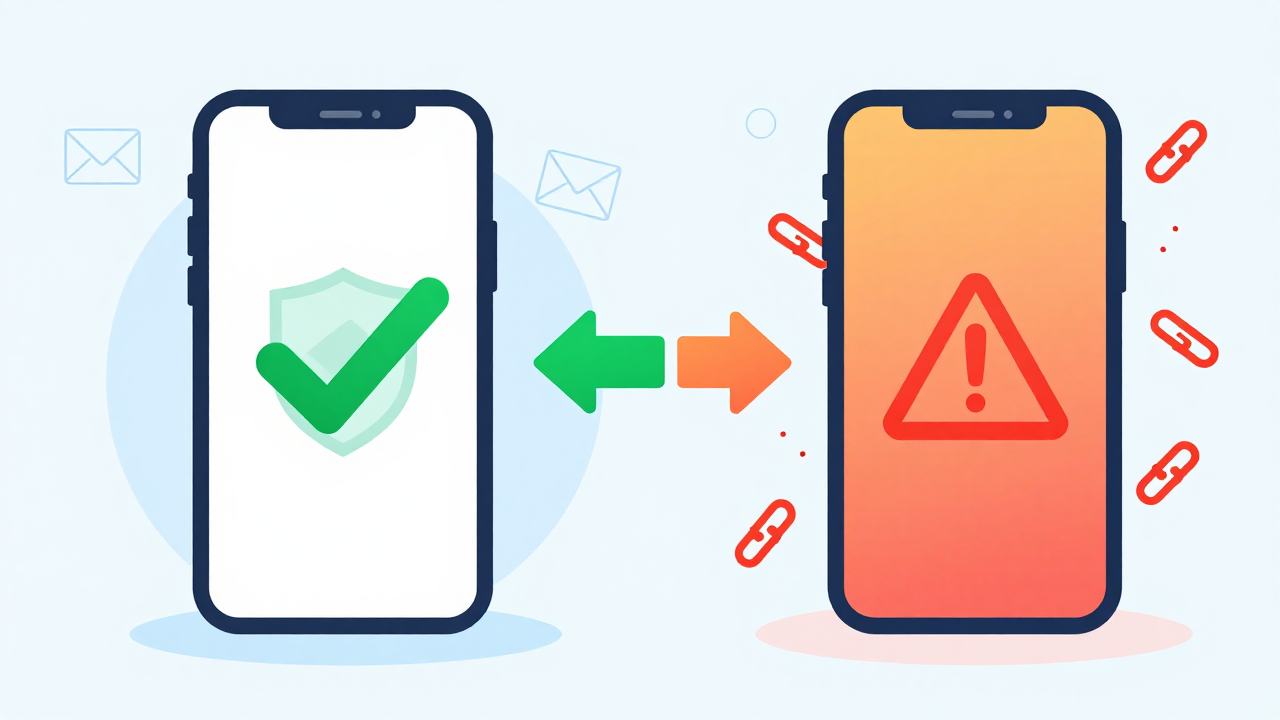
To help you decide, here's a side-by-side comparison across the dimensions that matter:
| Dimension | SMS Receive Platform | Professional SMS Provider |
|---|---|---|
| Core function | Receive verification codes | Send notification/marketing SMS |
| Number type | Virtual, shared numbers | Verified numbers, dedicated channels |
| Delivery rate | Unstable, around 70%–85% | Reliable, 95%+ |
| Compliance | Gray area, higher risk | Licensed, compliant |
| Best use case | Testing, low-frequency verification | Business notifications, marketing, OTP |
| Cost | Low, per message or per number | Medium to high, volume-based |
Here's the practical takeaway: if your need is receiving verification codes, an SMS receive platform can work as a temporary solution. If you need to send messages, go with a professional provider. Industry data shows that around 40% of SMS delivery failures in cross-border operations in 2026 stemmed from poor number reputation, not channel outages.
How to Pick a Reliable SMS Receive Service
If you're set on using an SMS receive platform, vet providers against these criteria:
- Number quality: Do they offer dedicated numbers, or are you sharing from a common pool?
- Coverage: Do they support your target countries and carriers?
- API stability: Are callback latencies and interface uptime acceptable?
- Compliance posture: Do they hold the necessary licenses and require real-name verification?
- Support: Is there proper technical onboarding and issue response?
In 2026, the golden rule for choosing an SMS receive service is "dedicated numbers with traceable real-name registration." Shared number pools carry serious risk. Dedicated numbers cost more, but they can push ban rates down to under 5%.
Take Getfollow as an example. It offers overseas number receiving services with API integration and number pool management, and it has built a decent reputation among cross-border users. That said, Getfollow is also receive-only—no outbound SMS. If sending is what you need, confirm capability boundaries with their support team before committing.
FAQ: Common Questions About SMS Receive Platforms
Can SMS receive platforms send text messages?
No. The vast majority only support receiving verification codes. For outbound messaging, you need a professional SMS provider.
Can I use an SMS receive platform to register WeChat or Alipay?
In 2026, both WeChat and Alipay have strong virtual number detection. Using a receive platform number for registration often triggers secondary verification or outright bans. A real, registered mobile number is the safer route.
Is using an SMS receive platform legal?
It depends on your use case and the platform's compliance. For testing or non-commercial purposes, risk is relatively low. Using these numbers for bulk registration or to bypass real-name requirements can violate platform rules and applicable laws.
How do I choose a trustworthy SMS receive provider?
Look for dedicated numbers, target country coverage, API stability, compliance credentials, and responsive support. Check real user feedback on services like Getfollow, but verify their features match your actual needs.
What should I do if messages aren't coming through?
First, check whether the number has been flagged by the target platform. Then confirm the provider supports the specific carrier channel. If failures persist, switch providers or consider a physical SIM card solution.
Final Verdict: What SMS Receive Platforms Are Good For
Back to the original question: can SMS receive platforms send text messages? They can receive, but they can't send—that's the reality in 2026. Cross-border businesses and independent operators need to be clear about what they actually need. If it's verification code reception, an SMS receive platform can work with caution. If it's outbound messaging, professional providers are non-negotiable.
Here's your action plan: assess the frequency and risk level of your use case first. Low-frequency testing can justify an SMS receive platform, but keep your budget and expectations in check. For high-frequency or high-value operations, invest in proper SMS infrastructure to minimize ban rates and compliance exposure.
At the end of the day, the right tool serves your business's security and long-term growth—not just short-term convenience. In 2026, compliance and stability are the real moats in cross-border operations.