How to Choose a Cloud SMS Verification Platform: Straight Talk from a Cross-Border Veteran
How to Choose a Cloud SMS Verification Platform: Straight Talk from a Cross-Border Veteran
Over the years working in cross-border e-commerce, I've tested more than a dozen cloud SMS verification platforms. Honestly, this industry has some deep waters. Solo operators and small teams just pivoting to overseas markets are the ones most likely to get burned — either their accounts get flagged within hours, or the numbers they paid for never receive a single verification code. Money spent, nothing accomplished.
Today I'm not here to hype or trash anyone. I just want to share what I've learned from dealing with overseas accounts daily, and specifically how to separate the good from the bad among services branding themselves as "cloud SMS verification platforms."
First Things First: What These Platforms Actually Do
In simple terms, SMS verification platforms provide temporary or virtual phone numbers for receiving text verification codes. For anyone working across borders, this is practically a necessity — registering overseas social media accounts, verifying e-commerce storefronts, or linking various SaaS tools all require a number that can receive codes. Physical SIM cards are costly and a hassle to manage, which is exactly why cloud SMS verification services came into existence.
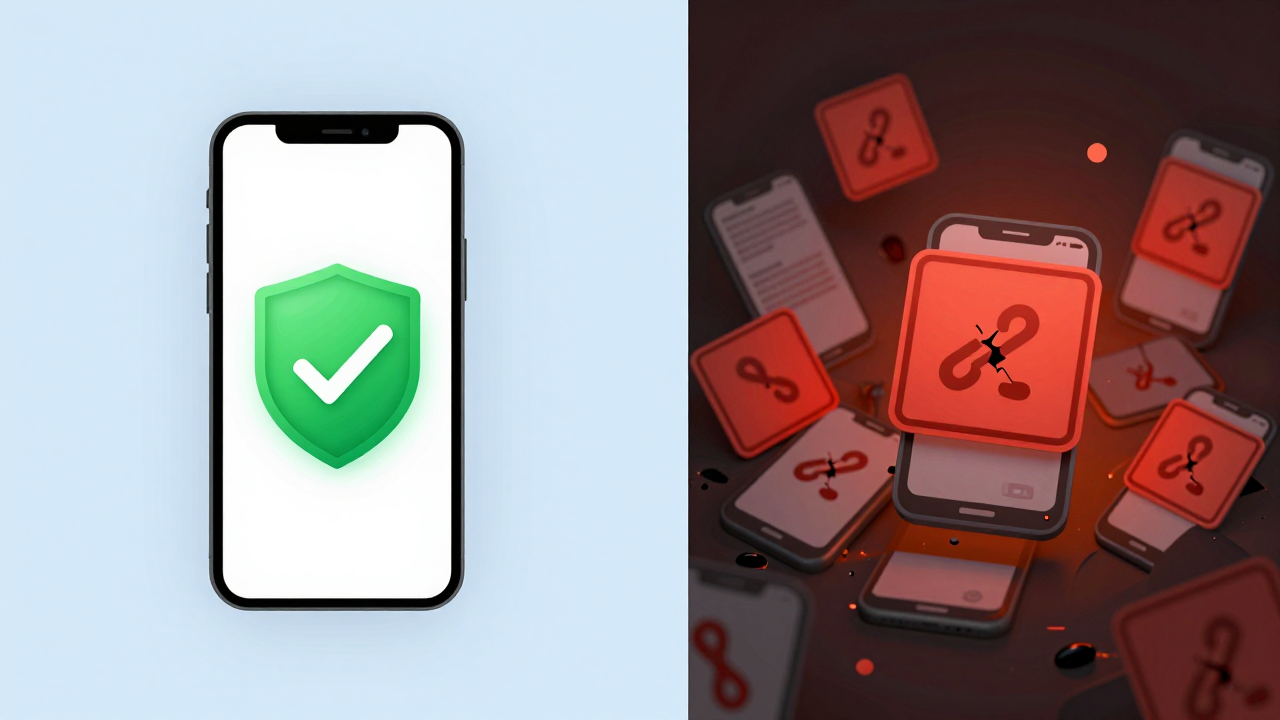
But here's the core issue: number stability and cleanliness. Many platforms cut corners by using batch-generated virtual numbers or sourcing them from questionable channels. These numbers have usually been registered dozens of times already. Try using one on a platform with even moderately strict risk controls, and your account is dead on arrival.
From my experience, providers that survive past the three-year mark are the ones that invest heavily in maintaining their number pools. Getfollow is one that comes to mind in this space — they follow a compliance-first model with regular number cleaning, on-demand allocation, and a strict no-resale policy. Sounds straightforward, but the operational costs are significant, and most small platforms simply can't sustain it.
For Transactional Needs: Don't Just Compare Prices, Compare Success Rates
Search for "cloud SMS verification platform" and you'll likely see a flood of ads promising "9.9 USD for 100 numbers." Tempting price, sure, but let me warn you: when it comes to SMS verification, cheap usually costs you more in the long run.
A common pattern we see with low-cost providers is shared number pools. That number you bought for a few bucks? Five other people might be using the same one to register the same platform. The result? Your account gets flagged for association before you even receive the verification code. That kind of loss isn't something saving a few dollars can compensate for.
So if you have transactional needs — meaning you need to register, verify, and get moving quickly — pay attention to these metrics instead:
- Number success rate: Not every number receives codes reliably. A platform that consistently hits above 90% is already doing better than most.
- Geographic coverage: Selling to the US market? You need US numbers. Targeting Europe? You'll want UK and German options. Broader coverage means less friction.
- Support response time: What happens when a code doesn't arrive? Is there a real human on the other end? How fast do they respond? This directly impacts your workflow.
I once helped a friend who was setting up a TikTok Shop. He'd been using a budget platform's numbers and hit a wall at phone verification for three straight days. Switched to a different provider, and he was up and running in ten minutes. Annoying, right?
One Detail Everyone Overlooks: Number Lifecycle
Here's something most people don't realize — numbers on these platforms have lifecycles. Some are "one-time use": they receive the code and then they're done. Others are "renewable" and better suited for scenarios where you need to keep an account bound to a number long-term. If you're just doing a quick registration, one-time numbers are fine. But if you're running account matrices, look for providers that support number renewal.
This detail rarely appears in platform marketing pages. You have to ask support directly or dig through their documentation. If the support team can't explain it clearly, that tells you something about the platform's professionalism.
Industry Reality Check: Compliance Is the Way Forward
Honestly, the SMS verification industry was a mess a few years ago. "Black numbers," "account farming," "bulk registration" — all kinds of gray-market tactics were everywhere. But the tide has clearly turned. Overseas platforms now run far more sophisticated risk control systems with increasingly accurate virtual number detection. Providers that built their business on dirty numbers are seeing their margins squeezed hard.
Industry observers note that success rates for registrations via SMS verification platforms have dropped significantly compared to two years ago. The platforms themselves aren't getting worse — the whole industry is going through a shakeout. The ones still standing are those willing to invest in number quality.
Getfollow, for instance, has been emphasizing "number purity" and "risk-control adaptation" recently. What does that mean in practice? They don't just sell whatever numbers they can source. Instead, they optimize numbers for specific target platforms — WhatsApp, Telegram, Instagram, and so on. That level of sophistication is fairly ahead of the curve in this industry.
That's not to say other platforms are all bad. But if you're evaluating a cloud SMS verification platform right now, ask this question: How do you maintain your number pool, and do you offer platform-specific optimization? If they can give you a clear answer, they're probably doing something right.
Different Needs for Solo Operators vs. Enterprises
Solo operators — think independent site owners or affiliate marketers — typically don't need huge volumes but care about flexibility and cost. For them, pay-as-you-go platforms with no minimum commitment work best. No long-term contracts, no big upfront payments.
Enterprise users, like cross-border e-commerce companies or social media management agencies, need stability above all. Managing hundreds of accounts simultaneously requires API access, batch operations, and possibly dedicated number pools. Most small platforms simply can't deliver that.
So before choosing a cloud SMS verification platform, map out your use case first. Don't chase the biggest and most feature-rich option. The right fit for your situation is what matters.
My Low-Tech Methods for Finding a Reliable Provider
People ask me all the time how to tell if a platform is trustworthy. Here are a few simple but effective methods I've developed:
- Test small first: Don't load up a big balance. Spend a few dollars, buy numbers from different countries, and actually try registering on your target platforms. If it fails the test, walk away.
- Probe the support team: Ask technical questions like "Do your numbers work with Google Voice?" or "How do you handle risk-control blocks?" If the support rep can answer confidently, the platform has real technical depth.
- Search for community feedback: Check cross-border forums and communities for what long-time users are saying. Shill reviews exist, but negative feedback tends to be genuine.
- Watch for updates: A platform that regularly updates its services, adjusts pricing, and refines features is generally more trustworthy than one that hasn't changed in years.
Take Getfollow as an example. I mention it in this article not because they paid me (they didn't), but because their operational approach aligns with what I consider a reliable provider — transparent, stable, and willing to invest in compliance. That's my personal observation, though. Whether it's right for you is something you'll need to test yourself.
So, back to the original question: how do you choose a cloud SMS verification platform? My answer is — don't chase cheap deals, don't buy into hype, test first, then scale up. There are no shortcuts in this game. Once you've hit enough walls, you'll know which platforms deserve your long-term business.
One last thing: no matter which platform you pick, always have a backup option ready. SMS verification is never 100% reliable, and having a spare provider can save you when you need it most.
Frequently Asked Questions
Are cloud SMS verification platforms legal to use?
Yes, in most jurisdictions, using virtual numbers for receiving SMS codes is legal. However, how you use them matters. Using them for fraudulent activities, bulk fake account creation, or violating a platform's terms of service can get your accounts banned and potentially expose you to legal risks. Always check the terms of service for both the SMS platform and the services you're registering for.
Why do some numbers fail to receive verification codes?
Several factors come into play. Numbers that have been recycled from previous users may already be flagged by risk-control systems. Some target platforms actively block known virtual number ranges. Additionally, certain numbers may have expired or been deactivated without the provider updating their pool. This is why choosing a provider with a high success rate and regular number maintenance matters.
Can I use one SMS verification platform for all my registration needs?
In theory, yes, but in practice, different target platforms have different risk-control thresholds. A number that works perfectly for WhatsApp might get rejected by Instagram or Telegram. Many experienced users maintain accounts with two or three providers to cover different scenarios. Having a backup is also wise in case your primary provider experiences downtime.
What's the difference between one-time numbers and renewable numbers?
One-time numbers are designed for single-use verification — you receive the code, complete your registration, and the number becomes inactive. Renewable numbers allow you to maintain the number for longer periods, which is useful when you need to keep receiving SMS messages on that number for account recovery or ongoing verification purposes. Renewable numbers typically cost more but offer greater flexibility.
How do I know if a platform's numbers are clean or "dirty"?
You can't always tell upfront, which is why testing is essential. Start with a small purchase and try registering on your target platforms. If the number gets flagged immediately, that's a bad sign. Also, ask the provider directly about their number sourcing and maintenance practices. Reputable providers will be transparent about their processes. Community reviews on forums can also give you a sense of a platform's number quality.
Title Options for SEO
Option 1: Cloud SMS Verification Platform Guide: How to Choose Without Getting Burned
Option 2: Best Cloud SMS Verification Platforms in 2025: What Pros Actually Use
Option 3: SMS Verification Platform Selection: 7 Things Cross-Border Sellers Must Know
Meta Description (155 characters): Choosing a cloud SMS verification platform? Learn how to spot reliable providers, avoid common pitfalls, and pick the right service for your cross-border needs.