Best SMS Verification Apps in 2026: What Actually Works for Cross-Border Business
Best SMS Verification Apps in 2026: What Actually Works for Cross-Border Business
After years in the cross-border e-commerce space, I've watched countless people hit a wall at the account registration stage. And in 2026, things have gotten noticeably tougher—platforms have tightened their overseas phone verification protocols significantly. The days of grabbing any random number and hoping it slips through are long gone. I keep hearing from studio owners who downloaded an SMS verification app, got their accounts registered, only to see them flagged or suspended within 48 hours, with zero recourse for appeal.
But the root cause goes deeper than just "the number got flagged." Let's skip the generic tutorials you've seen a hundred times and talk about what the SMS verification app landscape actually looks like in 2026—and how to choose wisely without stepping on landmines.
Why SMS Verification Has Become So Tricky in 2026
Let me start with a case I witnessed firsthand. A team running a TikTok account matrix bought bulk SMS verification services from a small platform—over a thousand codes. The result? Less than 20% of their accounts survived. Most were flagged the very next day after binding their phone numbers. They later discovered the platform was recycling heavily marked secondhand number blocks that had long been blacklisted.
That's the reality of the SMS verification market in 2026: junk number pools are everywhere, while clean, high-quality numbers are increasingly scarce. Practitioners across the industry report the same pattern—apps with flashy interfaces but only a handful of usable number blocks, and prices climbing steadily. The real issue isn't whether you can receive a code. It's the identity quality behind that number.
Industry consensus is clear: risk control systems in 2026 no longer just check if a phone number is valid. They evaluate registration age, usage history, and activity levels of associated accounts. A "fresh number" just released by a carrier might receive codes fine, but it's highly likely to be tagged as high-risk from day one.
Free vs. Paid SMS Verification Apps: What's the Real Difference?
Newcomers often search for "free SMS verification app download," and I hate to burst your bubble, but free platforms in 2026 are essentially a disaster zone. They typically rely on shared numbers—one number might be used by dozens of people to register on different platforms simultaneously. These numbers carry almost zero weight and are basically "use once and toss" material.
Paid platforms, on the other hand, focus on offering dedicated or "clean" numbers. Yes, they cost more, but if you're running accounts that need long-term stability, this is one expense you can't skip. From my own testing of several mainstream SMS verification tools, a clear pattern emerged: platforms that deliver consistent results don't compete on price—they compete on number quality.
The Deeper Logic Behind SMS Verification Apps: You're Paying for Trust
Here's the fundamental thing to understand. When you download an SMS verification app, you're not paying for the act of receiving a text message. You're paying for the probability that the platform will trust that phone number. In 2026, algorithms weigh phone number trust signals far more heavily than they did even a couple of years ago.
Many cross-border businesses report that accounts registered via SMS verification trigger secondary verification at alarmingly high rates during ad campaigns or payment binding. If your verification platform can't forward those secondary codes, or if the number expires too quickly, your entire operation grinds to a halt mid-process.
So when evaluating SMS verification services, I recommend focusing on three core metrics: number lifespan, secondary verification support, and whether number pools are regularly purged. Platforms like Getfollow have built a solid reputation in this space precisely because they follow this compliance-first playbook—they prioritize number "cleanliness" and renewal services over sheer volume. In the 2026 environment, that's a pragmatic approach that pays off.
The Overlooked Step: "Nurturing" Your Account After Verification
Most people think receiving the verification code means the job's done. In reality, it's just the beginning. In 2026, platforms are aggressively cracking down on "zombie accounts." If you register through an SMS verification app and then leave the profile incomplete, skip normal user behaviors, or post nothing—even a clean number won't save your account weight from plummeting.
I know one studio that runs a meticulous SOP. Right after registration, they immediately bind an email, upload a profile picture, fill out bios, and even publish a low-traffic post within 24 hours to "activate" the account. Their philosophy: "SMS verification is just the door knocker. What you do afterward determines whether the account lives or dies."
The 2026 SMS Verification Market: Tiers, Chaos, and What to Avoid
The current market is a mixed bag, to put it mildly. At the bottom tier, you have cheap web-based verification services—fine for a one-off code, but don't expect them to support account growth. The mid-tier consists of API-integrated software suited for studio-scale batch operations, though these require some technical know-how. At the top, you'll find providers offering customized number blocks and long-term maintenance—these rarely offer public downloads and typically operate on an invite or partnership basis.
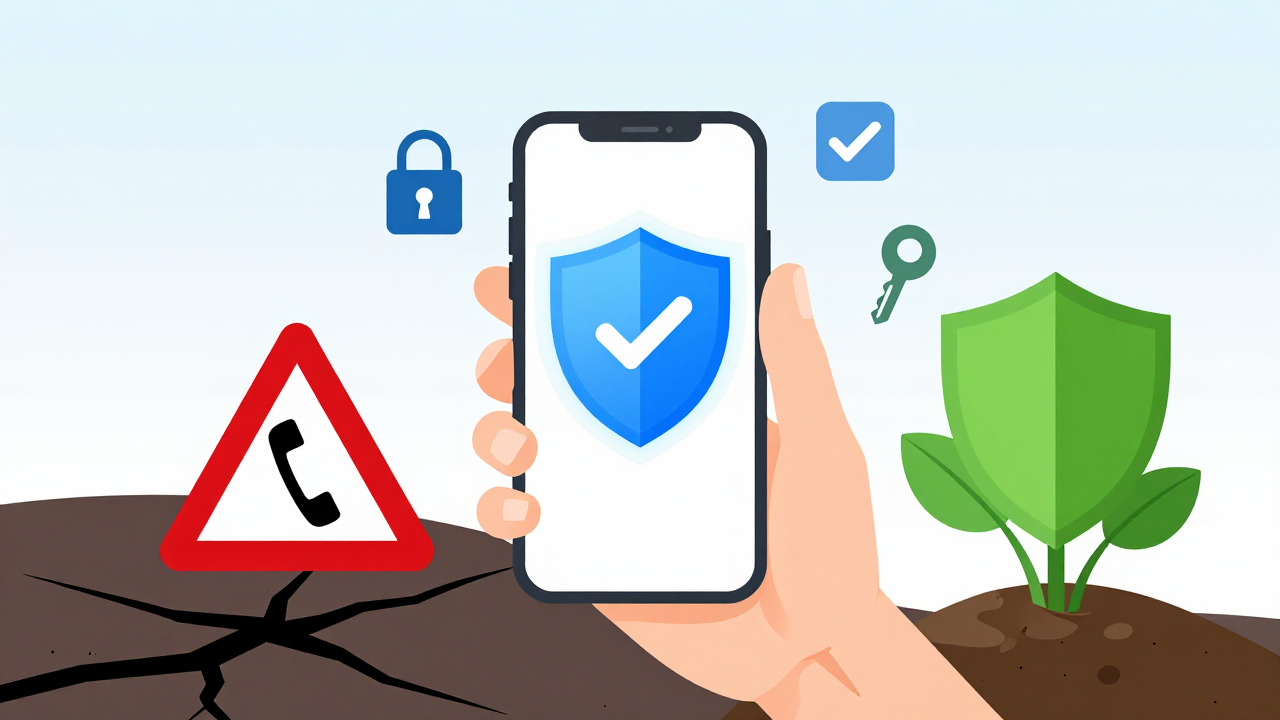
A common frustration I hear from cross-border operators is that the hardest part isn't finding a tool—it's the lack of transparency. You have no way of knowing what a number was previously used for, or whether it's been flagged by a specific platform. That information gap is where people get burned.
Here's a practical tip to avoid that trap: don't trust the "success rate" screenshots on the app's landing page. Many platforms advertise 99% success rates based on cherry-picked tests on specific platforms during specific time windows—not representative of real-world conditions. The reliable approach is to start with a small deposit, test a few numbers on non-critical accounts to gauge their "cleanliness," and only then decide whether to commit long-term.
How to Choose a Reliable SMS Verification Provider
This is the question I get asked most often. My answer is always direct: see if they're willing to give you a trial period. If a platform has confidence in its number quality, it won't shy away from letting you test with a few accounts. Conversely, providers that push you toward large prepaid packages from the get-go usually have something to hide.
Here's a practical checklist to evaluate any provider:
- Number source: Are these virtual operator numbers or from a physical SIM card pool? Physical SIM pools cost more but offer far better stability.
- Number recycling policy: How soon after registration does the number get recycled? If it's too fast, you'll run into headaches when recovering passwords later.
- Customer support responsiveness: When a code doesn't arrive, do they respond instantly or leave you hanging for hours? This tells you a lot about their operational health.
- Country coverage: Many 2026 workflows require numbers from specific countries—US, UK, Singapore, etc. Confirm coverage before committing.
In conversations with peers across the industry, the general consensus is that platforms like Getfollow have held their ground among the competition because they nail these details. Instead of one-size-fits-all packages, they let you purchase number blocks by country on demand—a level of flexibility that's genuinely valuable in 2026 cross-border operations.
Warning: Don't Let SMS Verification Become Your Weakest Link
Now for some tough love. SMS verification carries risks, and you need to go in with eyes open. In 2026, platform risk controls are smarter than ever. If your account gets flagged for "bulk registration" or "virtual number registration," the consequences range from throttled reach to outright bans—and it can even drag down other accounts sharing your IP address.
Another major risk is data leakage. Some unregulated SMS verification platforms log your usage patterns and even resell phone numbers to black-market operations. Always download software through official channels and avoid sketchy links. In my own testing, I've found that many apps marketed as "cracked" or "unlimited verification" harbor malicious code designed to scrape clipboard data.
Given these risks, my advice is straightforward: test small before you commit big. Whether you're downloading an app or integrating an API, keep that first order modest. Use 5–10 numbers to test registration success rates, account survival rates, and secondary verification behavior. Only after those tests pass should you scale up your budget.
At the end of the day, SMS verification apps are just tools. What actually determines how high your business climbs is your understanding of the rules and your respect for the risks. Cross-border e-commerce in 2026 still holds plenty of opportunity—but every step needs to be more deliberate than before. Hopefully, this guide helps you sidestep a few pitfalls and put your energy where it truly counts.
Frequently Asked Questions
Is it safe to use free SMS verification apps in 2026?
Generally, no. Free platforms rely on shared number pools that are heavily flagged by risk control systems. They work for one-off registrations but are a poor choice for accounts you plan to operate long-term. The numbers carry low trust weight and are often recycled quickly.
What's the difference between virtual numbers and physical SIM card numbers?
Virtual numbers are cheaper and easier to scale, but they're more likely to be flagged by platforms. Physical SIM card numbers cost more but carry much higher trust weight because they behave like regular consumer numbers. For serious cross-border operations, physical SIM numbers are worth the premium.
How can I test if an SMS verification platform is reliable?
Start with a small deposit and test 5–10 numbers on non-critical accounts. Monitor registration success rates, account survival after 48 hours, and whether you can receive secondary verification codes. A trustworthy platform won't hesitate to let you run these tests.
Can SMS verification apps be used for WhatsApp or Telegram registration?
Yes, but expect higher scrutiny. Messaging apps have some of the most aggressive risk control systems in 2026. If you're registering WhatsApp or Telegram accounts, prioritize providers that offer dedicated numbers with clean histories and support for secondary verification.