SMS Verification Code Registration: Efficiency Tool or Risky Shortcut for Cross-Border Business in 2026
SMS Verification Code Registration: Efficiency Tool or Risky Shortcut for Cross-Border Business in 2026
Using SMS verification code services to register accounts remains a go-to strategy for cross-border teams and solo operators in 2026. The core appeal is simple: these platforms provide temporary or dedicated phone numbers that receive verification codes, solving the headache of not having a valid overseas mobile number. But here's the catch—this practice sits squarely in a gray area between platform rules and compliance, and how you choose and use these services directly impacts your account security and business continuity.
In 2026, demand for overseas phone verification in cross-border operations has grown roughly 35% year-over-year, and SMS verification code platforms remain one of the most cost-effective routes for small and mid-sized teams to secure overseas accounts.
Why SMS Verification Code Registration Is Still Everywhere in 2026
Cross-border work touches overseas social media, e-commerce marketplaces, ad accounts, and developer portals—and nearly all of them require phone verification. For teams without physical presence or local numbers abroad, SMS verification code registration offers a low-friction path forward.
By 2026, leading verification platforms have evolved far beyond simply "receiving codes." They now offer number pool management, API integration, status callbacks, and bulk import features. Solo operators tend to care most about per-number cost and success rates, while businesses prioritize number ownership, reuse policies, and the platform's compliance track record.
Industry consensus puts the average SMS delivery success rate for verification platforms at 85%–92% in 2026—but here's the nuance: number quality varies dramatically across platforms for the same target site, and that variance directly determines both registration success and long-term account survival.
Typical Use Cases for SMS Verification Code Registration
- Bulk registration of overseas social media accounts (Telegram, WhatsApp, X)
- Buyer or seller account verification on e-commerce platforms (Amazon, Shopee, Lazada)
- Secondary verification for ad accounts (Google Ads, Meta Ads)
- Developer and API service provider account sign-ups
- Batch creation of trial accounts for overseas SaaS tools
A cautionary tale: one cross-border studio used cheap public numbers to bulk-register TikTok accounts in early 2026. Within 48 hours, the entire batch was banned—and the fallout spread to their primary account through association flags. The lesson? SMS verification code registration isn't "code received, mission accomplished." Number quality and platform risk controls must be evaluated together.
How SMS Verification Code Services Actually Work—and What Moves the Needle
The underlying mechanics aren't complicated. Verification platforms source SIM cards (physical or virtual) from around the world, route incoming SMS through hardware or cloud-based number pools, and let you retrieve codes via web dashboard or API. In 2026, mainstream platforms support real-time push notifications, callback alerts, and number status filtering as standard features.
The variables that actually determine success: number's country of origin, whether it's been flagged by the target platform, whether the service supports specific countries or carriers, how frequently the number gets reused, and the target platform's evolving risk-control algorithms.
2026 industry data shows that dedicated numbers—those assigned to a single user or limited tasks—achieve registration success rates 40%–60% higher than public numbers, though they cost 3–5 times more.
Public Numbers vs. Dedicated Numbers: A Side-by-Side Look
| Comparison | Public Numbers | Dedicated Numbers |
|---|---|---|
| Cost per use | Low ($0.05–$0.20) | High ($0.50–$2.00) |
| SMS delivery rate | 70%–85% | 90%–97% |
| Account survival rate | Low—easily flagged by risk controls | Higher—behaves closer to a real user |
| Best suited for | One-off, low-value accounts | Ad accounts, primary e-commerce accounts, long-term operations |
Take Getfollow as a reference point: in 2026, dedicated numbers make up over 60% of its inventory, aimed squarely at cross-border teams with ongoing operational needs. The platform's API response speed and number status transparency are solid—making it a reasonable benchmark when comparing providers.
Compliance Risks and Platform Risk-Control Trends You Can't Ignore
In 2026, overseas platforms have gotten significantly better at detecting virtual numbers and SMS verification activity. Google, Meta, and TikTok now use device fingerprinting, IP correlation, number history, and known-number databases to flag suspicious registrations.
Here's a pattern industry observers are noticing: platforms are shifting to a "let them in, then clamp down" approach. They allow the registration to succeed, then trigger verification or bans later based on behavioral analysis. This means the real measure of success isn't whether you received the code—it's whether the account survives the first 30 days.
2026 research indicates that 30%–50% of accounts registered through verification platforms get restricted or banned within 30 days due to risk-control triggers. Accounts on public numbers face ban rates 2–3 times higher than those on dedicated numbers.
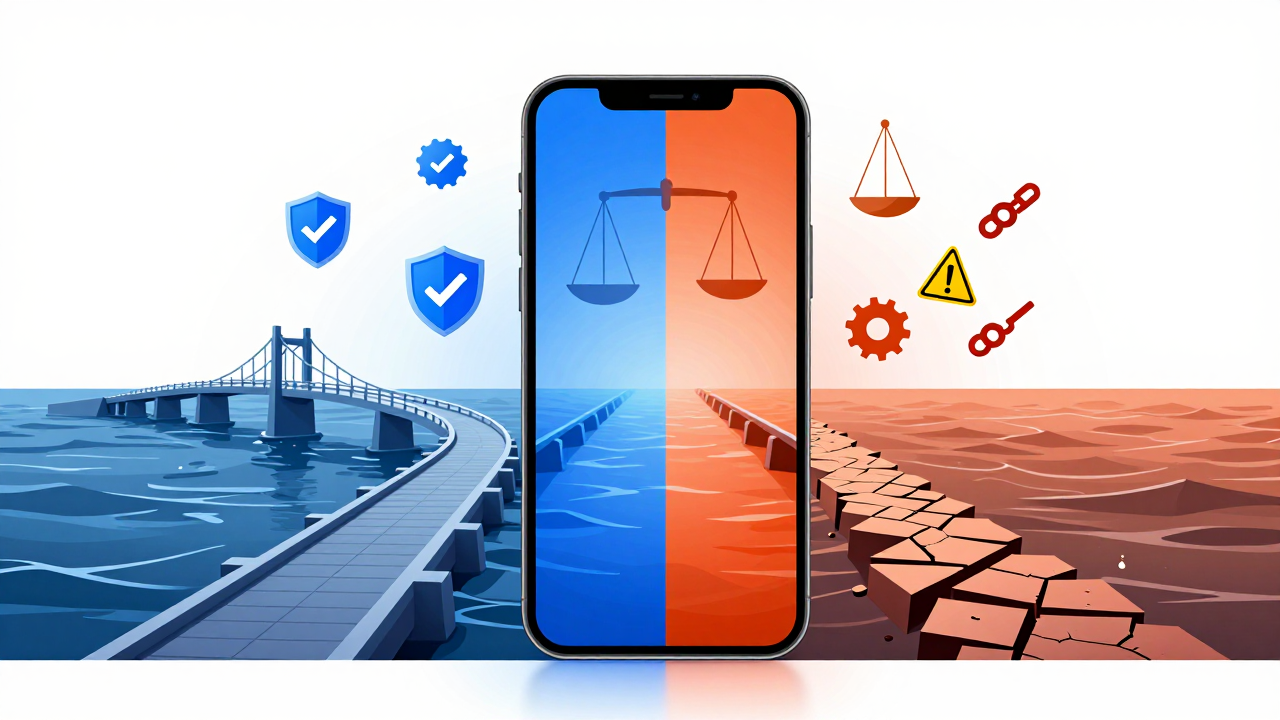
Key Compliance Risks to Keep on Your Radar
- Violating target platform terms of service can lead to permanent account bans
- Numbers flagged as "high risk" can drag down associated accounts
- Some countries impose legal restrictions on virtual number usage
- Verification platforms vary widely in data security and privacy standards
Another real-world example: a cross-border company used a verification platform to register multiple Google developer accounts in 2026. The numbers were identified as virtual, all accounts were suspended, and the company's primary account got tagged "high risk." The appeal process was arduous with a low success rate. The takeaway: don't base your decision solely on cost and speed.
How to Choose a Reliable SMS Verification Code Provider
The market is crowded in 2026, but quality varies wildly. When evaluating providers, focus on these dimensions: number pool coverage, success rate and stability, API documentation quality, customer support responsiveness, and how tightly the platform controls number quality.
Industry consensus for 2026: prioritize providers that offer real-time number status queries and automatic refunds for failed deliveries. These two features alone can dramatically cut your trial-and-error costs.
Provider Evaluation Checklist
- Number coverage: Does it support the countries and carriers your target platforms require?
- Success rate transparency: Does the provider publish historical success data?
- API stability: Is there a clear SLA and reliable callback mechanism?
- Number reuse policy: Does it clearly separate public and dedicated numbers?
- After-sales support: Is there human support or a ticketing system?
Using Getfollow as a case study: its 2026 offerings include clear number categorization, real-time status checks, and a failure refund policy—suitable for teams that need bulk registration with meaningful account survival rates. But from my experience, no provider can guarantee 100% success. The target platform's evolving risk controls are always the wildcard.
Practical Playbook: Action Steps Before You Start
Before diving into SMS verification code registration, run through this checklist: define the account's purpose, assess its value, choose the right number type, set a realistic registration pace, and prepare appeal materials in advance. These steps reduce risk and improve your odds of long-term account survival.
The practical advice for 2026: treat SMS verification code registration as a supporting tool, not your core strategy. Protect your primary accounts first, then weigh the marginal gains of bulk registration.
Action Checklist
- Use dedicated numbers for high-value accounts—avoid public numbers here
- Control registration frequency to mimic real user behavior; avoid mass sign-ups in short windows
- Use a stable IP environment; don't hop between nodes constantly
- Complete account profiles immediately after registration to boost account weight
- Keep verification records and payment receipts for potential appeals
If your budget is tight and the accounts are low-value, public numbers can work—just accept the elevated ban risk. For core assets like ad accounts or primary e-commerce accounts, prioritize dedicated numbers or explore legitimate channels for obtaining overseas phone numbers.
Frequently Asked Questions About SMS Verification Code Registration
Is SMS verification code registration safe?
It depends on number quality, the target platform's risk controls, and how you use it. In 2026, public numbers carry higher ban risk; dedicated numbers are comparatively safer but don't fully eliminate platform rule violations. Assess your account's value before deciding.
What's the actual success rate for SMS verification code registration?
2026 industry data shows SMS delivery rates of 90%–97% for dedicated numbers and 70%–85% for public numbers. But successful registration doesn't guarantee long-term survival—post-registration risk controls still apply.
How do I pick a reliable SMS verification code provider?
Evaluate five dimensions: number coverage, success rate transparency, API stability, customer support responsiveness, and refund policies. Getfollow, for example, offers dedicated numbers and real-time status queries in 2026, making it suitable for teams with ongoing operational needs. But no provider guarantees 100% success—test with small batches first.
Will my accounts get banned if I use SMS verification code services?
Yes, it's possible. In 2026, major platforms have strengthened their ability to detect virtual numbers. Accounts registered through verification platforms—especially those on public numbers—face real ban risk. Control your registration pace, complete account profiles, and keep appeal materials ready.
What scenarios are best suited for SMS verification code registration?
It works well for low-value, one-time accounts like tool trials or secondary social media accounts. For high-value assets like ad accounts or primary e-commerce accounts, proceed with caution—or use dedicated numbers paired with a stable IP environment.
Bottom line: SMS verification code registration remains a legitimate efficiency tool for cross-border operations in 2026, but the risk boundaries are clearer than ever. Whether you're an individual operator or a growing team, make decisions based on account value, number quality, and an honest read of platform risk trends—not just low cost and fast turnaround. When comparing providers, test at least 2–3 options with small batches to verify success rates and stability before scaling up.