US SMS Verification Services: A Cross-Border Business Buyer's Guide
US SMS Verification Services: A Cross-Border Business Buyer's Guide
If you run an e-commerce store, manage social media accounts, or handle payment verification for a global audience, you know the frustration of getting stuck at the phone verification step. US SMS verification services have exploded in demand over the past few years, but the market is crowded with providers ranging from rock-bottom prices to premium tiers—and reliability varies just as wildly. I've personally hit plenty of dead ends with these services, and I've watched colleagues in the industry stumble into even worse ones. Let me share what I've learned from the inside.
Why Cross-Border Businesses Can't Skip US Number Verification
The US market is the launching pad for most cross-border operations. Amazon sellers registering storefronts, TikTok creators upgrading to Pro accounts, teams managing multiple Google accounts, WhatsApp marketing numbers being warmed up—virtually every scenario demands SMS verification. Domestic Chinese numbers simply can't receive verification codes from US platforms, and even when they can, the risk of triggering fraud alerts is high. That gap created the demand for US SMS verification software.
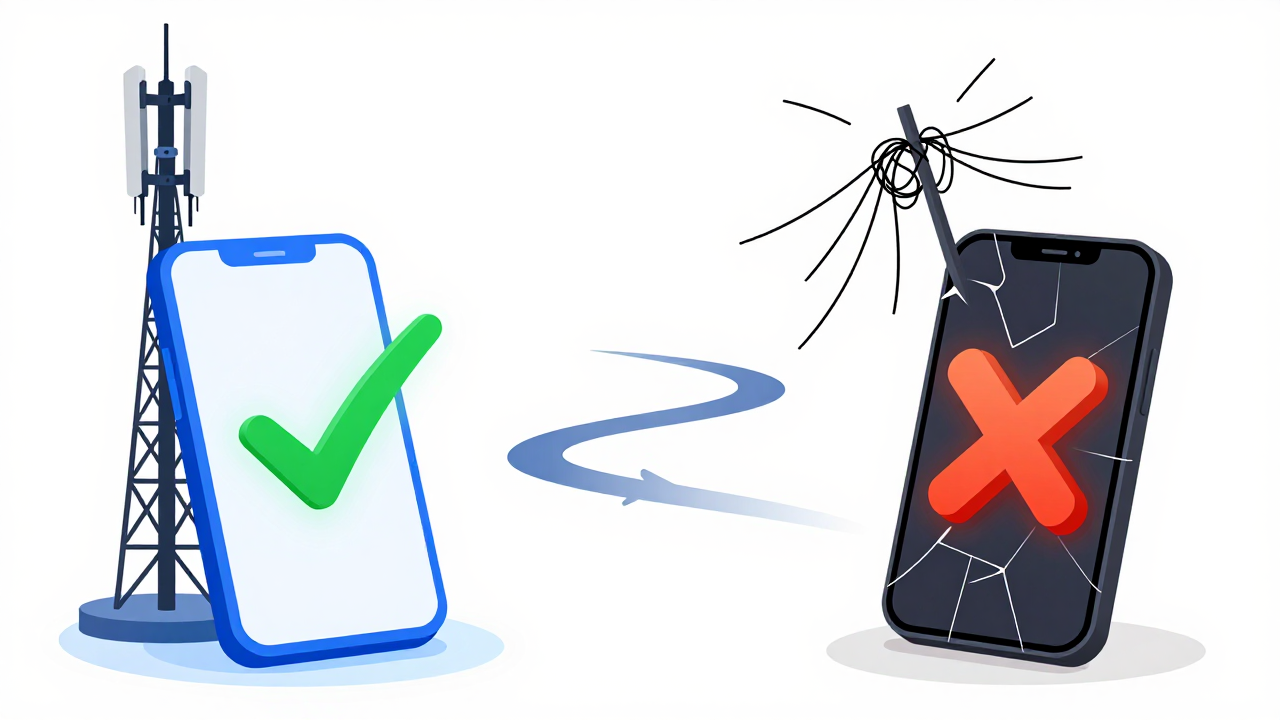
But here's what practitioners tell me constantly: the real headache isn't whether you can receive a code—it's whether you can receive one consistently. Accounts get flagged right after registration, codes arrive fifteen minutes late, or they never arrive at all. That kind of instability can cripple a business.
There's a widely accepted truth in this industry: the core of SMS verification isn't "having a number"—it's the cleanliness of the number pool and the stability of the underlying infrastructure. Many smaller providers recycle numbers that have already been flagged by major platforms. You register one account, it gets banned, and you've wasted your money.
Five Hard Requirements for Choosing a US SMS Verification Platform
Having worked with dozens of providers and talked to peers with technical backgrounds, I've found that reliable platforms consistently meet these five criteria:
- Real US-based phone numbers—The numbers must come from actual US carriers like T-Mobile, AT&T, or Verizon. Virtual or VoIP numbers won't work because many platforms reject them outright.
- Fresh number pool—Overused prefixes get flagged quickly. Providers need to continuously add new numbers. If a platform has been running the same number range for a year, it's effectively dead.
- Delivery success rate—Anything above 90% is respectable in this industry, but many platforms struggle to hit 70%. They won't volunteer these numbers—you have to test them yourself.
- Platform coverage—Some services only handle WhatsApp, others only Telegram, and some cover everything. Confirm your target platform is on their supported list before committing.
- Transparent billing—Is it per-message or monthly subscription? Do you get refunded for failed deliveries? These details directly impact your bottom line.
One pattern I've noticed: the platforms that actually work well are rarely the cheapest ones. Suspiciously low prices usually mean shared numbers (multiple people using the same code) or numbers registered through compromised cards—both extremely risky.
Why Free SMS Verification Platforms Are a Trap
Search for "free SMS verification" and you'll find dozens of websites offering exactly that. Let me be direct: never use free platforms for any legitimate business operation. The numbers on those sites are publicly shared—anyone can register with the same number, and platforms have long since blacklisted them. An account registered with a free verification number typically doesn't survive 24 hours.
Then there's the "budget tier"—numbers that cost just a few cents per message. What you're actually getting is a recycled number that someone else already used. The association risk is severe, especially for Amazon seller accounts and Facebook ad accounts. One linked ban will cost you far more than you saved on verification fees.
The industry-standard approach is to work with a professional provider that maintains an independent number pool, stable infrastructure, and proper customer support. Getfollow is one platform that has built a solid reputation using exactly this model—regularly cleaning its number pool, supporting major platforms, and offering per-use pricing with refunds for failures. That's not to say other providers can't be good, but this operational model is the benchmark worth measuring against.
Freelancers and Enterprises Need Different Strategies
Small teams and enterprise users have very different requirements. From my observation, freelancers and small studios prioritize affordability, flexibility, and pay-as-you-go options, while larger organizations care more about stability, management capabilities, and dedicated support.
For Freelancers and Small Teams: Pay-Per-Use Is the Way to Go
Most small operations don't need massive volume—maybe a few hundred verification codes per month. In that case, a per-message pricing model with no monthly fees makes the most sense. Look for low minimum top-ups and payment options like Alipay or WeChat Pay. Also, prioritize platforms that automatically refund failed attempts. Otherwise, you'll be charged for codes that never arrive, and those small losses add up quickly.
For Enterprises: API Access and Batch Operations Matter
Enterprise users often need to register or verify accounts in bulk, and doing that manually is a waste of time. A reliable platform should offer API integration that connects directly to your internal systems. Enterprises should also consider number exclusivity—some providers offer dedicated numbers that only one client uses. They cost more, but the security benefit is substantial.
Here's a quick comparison to help you understand the trade-offs:
| Factor | Shared Number Pool | Dedicated Number Pool |
|---|---|---|
| Price | Low ($0.10–$0.50 per code) | High ($1–$3 per code) |
| Success Rate | 70%–85%, inconsistent | 90%+, stable |
| Best For | Temporary verification, low-risk sign-ups | E-commerce accounts, ad accounts, long-term account warming |
| Risk Level | Medium–high (association risk) | Low |
People running Amazon and Facebook ad accounts almost always go with dedicated numbers. It costs more upfront, but account security is the real investment. Platforms like Getfollow support both models, letting you switch as your business evolves—that flexibility is a big reason they've gained traction.
How to Test a US SMS Verification Platform Before Committing
No matter which provider you're considering, always start with a small test batch. Don't load up a large balance right away. Here's the process I recommend:
- Top up the minimum amount (usually $10–$20 is enough) and test 3–5 different registration scenarios, tracking success rates.
- Focus your testing on the platforms you actually use—WhatsApp, Telegram, Amazon, etc. Each platform has different fraud detection rules.
- Pay attention to delivery speed. Codes should arrive within 30 seconds. If it takes more than 2 minutes, that's a bad sign.
- If you run into issues, evaluate their customer support response time and attitude. Many small platforms are unreachable when problems arise—those are an automatic pass.
One useful feature to look for: number recycling. If a registration fails, the number goes back into the pool and you don't get charged. This saves real money over time, so check whether the platform offers it.
Compliance and Risk Management: What You Need to Know
Let's be honest—the US SMS verification industry operates in a gray zone. Providers are trying to stay compliant, but the nature of the use cases means it can never be fully "white." As a user, you should follow two rules: don't use verification numbers for clearly illegitimate activities (mass-spamming registrations, fake reviews, etc.), and never use them to bind payment accounts or critical assets. If something goes wrong in those scenarios, you're losing real money.
There's an unwritten rule in the industry: use verification numbers only for non-core account verification, and use physical SIM cards for your primary accounts. Experienced cross-border operators all follow this pattern—verification numbers for testing and registration, physical cards for the accounts that matter. It keeps costs down while minimizing risk.
From the provider side, reputable platforms actively enforce risk controls—limiting how many times a single number can be used for registration, monitoring for abnormal usage patterns, and cleaning the number pool regularly. That's not over-engineering; it's what keeps the entire ecosystem viable.
Final Thoughts
US SMS verification services aren't high-tech, but picking the right one saves you endless frustration. My advice: don't chase the lowest price, don't cut corners on convenience, and put stability first. Run a small test batch, confirm the platform works, then scale up. And pay attention to what other operators are saying in industry forums—a platform's reputation is built on real registration success stories, not marketing claims.
Cross-border business is hard enough without wasting time and energy on basic infrastructure. I hope this guide to US SMS verification services helps you make a smarter choice. Here's to smooth operations ahead.
Frequently Asked Questions
Can I use a free US SMS verification service for my Amazon seller account?
No. Free verification numbers are publicly shared and have been blacklisted by major platforms. Accounts registered with them are almost always flagged or banned within hours. For Amazon seller accounts specifically, the association risk can lead to permanent suspension.
How much does a reliable US SMS verification service cost?
Expect to pay between $0.10 and $0.50 per verification code with a shared number pool, or $1–$3 per code for dedicated numbers. The higher price buys you stability, higher success rates, and lower risk of account association.
What's the difference between shared and dedicated numbers?
Shared numbers are used by multiple customers and cost less, but they carry higher association risk and lower success rates. Dedicated numbers are assigned to a single client, offering 90%+ success rates and minimal risk—essential for e-commerce and advertising accounts.
How fast should I receive a verification code?
A reliable service delivers codes within 30 seconds. If it takes longer than 2 minutes, the platform's infrastructure is likely unstable, and you should look for alternatives.
Is using a US SMS verification service legal?
The services operate in a regulatory gray area. As long as you're using them for legitimate business verification—not fraud, spam, or other illegal activities—the practical risk is manageable. However, never use verification numbers for payment accounts or critical assets.