Paid SMS Verification Platforms: A Cross-Border Buyer's Guide
Paid SMS Verification Platforms: A Cross-Border Buyer's Guide
If you run an e-commerce store or manage overseas social media accounts, you're probably familiar with paid SMS verification platforms. Registering for WhatsApp, Telegram, TikTok, or an Amazon seller account often requires a foreign phone number to receive verification codes. Buying physical SIM cards gets expensive fast, and managing them is a headache—which is why so many people turn to online SMS receiving services. But the market is a mixed bag. Some platforms are suspiciously cheap, others promise "unlimited codes" and then fail you at the worst possible moment.
Today, I'm not here to hype or trash any specific service. This is a straight-talking industry overview: how these platforms actually operate, what drives their pricing, and the criteria you should use to vet them. It's a longer read, but every section matters—stick with me.
Why Some Platforms Charge Pennies Per Code While Others Cost Dollars
Pricing across paid SMS verification platforms varies wildly. If you're new to this, it's natural to wonder: "It's just a verification code—why the massive price gap?" The answer comes down to a few behind-the-scenes factors.
First, the source of the phone numbers determines the cost. Legitimate platforms typically source numbers through carrier partnerships or bulk purchases from overseas card providers. These numbers are stable and can handle registrations on major platforms. Low-cost platforms, on the other hand, often rely on recycled or mass-registered "dirty numbers"—which leads to missed codes, failed verifications, and accounts getting flagged by risk controls.
Second, there are two dominant pricing models: pay-per-use and subscription. Pay-per-use works well for individuals with light volume—prices range from a few cents to a couple of dollars per code. Subscriptions suit studios or users running batch operations, typically costing anywhere from $20 to $200+ per month, but they usually come with daily usage caps.
From my experience, a clear trend is emerging: more platforms now separate "shared numbers" from "dedicated numbers." Shared numbers are cheaper, but they've likely been used by others and may already be flagged—so success rates are inconsistent. Dedicated numbers cost more but are much cleaner, making them the safer pick for registering important accounts.
- Shared numbers: Low cost, decent for bulk-registering throwaway accounts, but higher failure rates
- Dedicated numbers: Higher price, built for core business accounts, reliable and stable
- Weekly/monthly plans: Best value for users with ongoing needs
Industry consensus is simple: if a platform's pricing is absurdly low—like a fraction of a cent per code—you're probably the guinea pig for their number quality testing. With those services, whether your code arrives is basically a coin flip.
Compliance Is the Real Minefield: Don't Let Your Platform Destroy Your Accounts
A common complaint from cross-border operators isn't about missing codes—it's about accounts getting banned days after registration. This comes down to the platform's risk control systems and how "clean" the numbers actually are.
Reputable paid SMS verification platforms carefully vet their number sources to ensure they haven't been abused or flagged as high-risk. They also limit how often a single number can be used, preventing one number from registering dozens of accounts—because that's exactly what platform risk controls are designed to catch.
But some platforms, chasing profit, impose no usage limits at all. A single number gets sold dozens of times. The predictable result? Any account you register with that number is highly likely to be linked and banned. In the industry, we call these "burned numbers"—whoever uses them loses.
Privacy is another major concern. Some platforms log your received SMS content and even sell verification codes to third parties. If your accounts involve financial transactions, that's a serious liability. When choosing a platform, always check for a clear privacy policy and an explicit commitment not to store or share your message content.
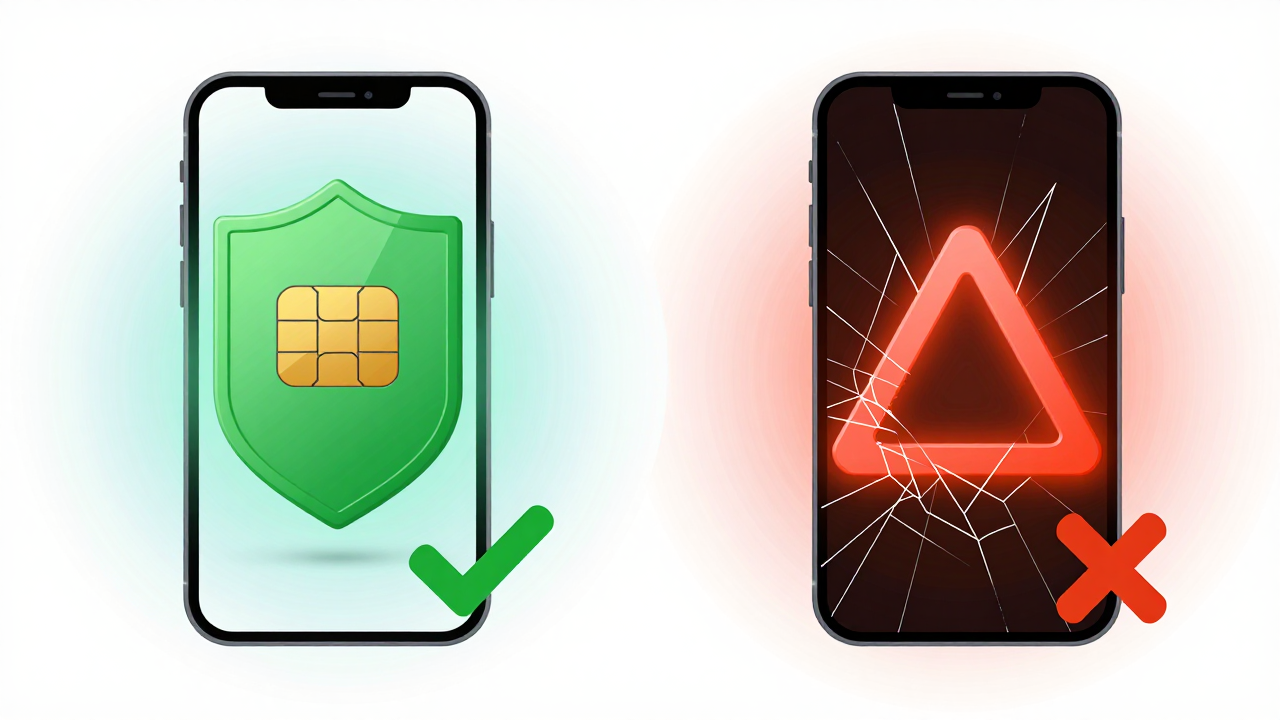
Platforms like Getfollow have built a solid reputation by following exactly this playbook—controlled number quality, strict usage limits, and transparent privacy practices. That's not to say every other platform is bad; it's to say these criteria should be your baseline when evaluating any provider.
Practical Tips for Choosing a Reliable SMS Verification Provider
Let's wrap this up with actionable screening criteria. Whether you're a solo freelancer or a growing team, running through these five checks will keep you out of most trouble.
- Check country and carrier coverage. If your target market is Europe, the US, or Southeast Asia, does the platform have enough numbers in those regions? This directly impacts your success rate.
- Confirm support for major platforms. Look for explicit support for WhatsApp, Telegram, Google, and Facebook. If a platform advertises this, it means they've built workarounds for those platforms' risk controls.
- Test their customer support response time. Failed codes are inevitable. What matters is whether the platform issues refunds or replacement codes quickly. Many small platforms take your money and vanish when problems arise.
- Check for API access. If you're running batch operations, an API is non-negotiable—it lets you fetch numbers and codes automatically instead of doing everything manually.
Here's a pattern I see all the time: people choose the cheapest platform to save a few bucks, then lose accounts worth far more than their total savings on verification fees. Anyone who's done the math doesn't cut corners on this service.
A few smaller details are worth noting too: Does the platform allow balance withdrawals? Is there a minimum deposit? How long are numbers valid after purchase? These seem minor, but they become major frustrations in daily use.
Getting back to the core point about paid SMS verification platforms: these are tool-based services, and the only real test is how they perform in practice. My advice? Start with a small deposit, test a handful of numbers, gauge the success rate and support responsiveness—then decide whether to commit long-term.
One more thing: don't put all your eggs in one basket. Even reliable platforms occasionally run out of numbers for certain countries. Keeping one or two backup providers on hand can save you in a pinch.
What's the difference between paid and free SMS verification platforms?
Free platforms typically offer poor number quality, slow delivery, intrusive ads, and higher privacy risks. Paid services provide better number resources, stability, and customer support—making them the right choice for anyone with real business needs.
Will accounts registered with SMS verification platforms get banned?
It's possible, but the likelihood depends on number quality and the platform's risk control practices. Choosing a compliant provider (like Getfollow) with clean numbers significantly reduces the risk. Post-registration behavior matters too—don't perform sensitive actions on a brand-new account immediately.
How do I tell if an SMS verification platform is trustworthy?
Start by reviewing their operating credentials and privacy policy. Then check their country coverage and pricing transparency. Finally, run a small deposit test to measure actual success rates. If a platform lacks basic customer support channels, walk away.
At the end of the day, a verification platform is just one link in the cross-border business chain. Choose well, and it saves you endless hassle. Choose poorly, and you're planting landmines for yourself. I hope this guide gives you a clearer framework for evaluating paid SMS verification platforms. If you've got experience with any of these services, drop a comment below—your insights might help someone else avoid a costly mistake.