Online SMS Verification Platforms: The Essential Tool for Cross-Border Business
Online SMS Verification Platforms: The Essential Tool for Cross-Border Business
If you run an e-commerce store, manage social media accounts, or register overseas accounts, you've likely hit the same wall: verification codes that never arrive. That's where online SMS verification platforms come in. Simply put, these services provide temporary or long-term virtual phone numbers for receiving SMS codes—some even support sending texts. But what exactly is an online SMS verification platform? How does it work? Are there risks involved? This article cuts through the noise and covers what's actually happening in the industry.
The Bottom Line: These Platforms Solve the Final Step of Identity Verification
When you register a TikTok account, apply for WhatsApp Business, or link a PayPal payout account, the platform requires phone verification. Chinese phone numbers often fail in overseas scenarios or trigger fraud alerts. An SMS verification platform gives you a foreign number that can receive texts, letting you complete that verification step without a hitch.
Here's the catch: these platforms come in two flavors. Shared numbers have been used by countless people and often trigger risk controls when you try to register new accounts. Dedicated numbers, on the other hand, belong exclusively to you—far more stable and reliable. Seasoned cross-border operators almost always go with dedicated numbers. They cost more, but the peace of mind is worth it.
Why Cross-Border Businesses and Freelancers Can't Operate Without Them
From my experience, virtually every cross-border seller, independent site owner, and overseas content creator I've met has an account with at least one SMS verification platform. The reasons are straightforward:
- Overseas platforms are tightening restrictions on Chinese IP addresses and phone numbers—without a foreign number, you're locked out.
- Multi-account operations are standard practice. Managing several social media profiles means each one needs its own verified phone number.
- Many overseas services (cloud providers, ad accounts) require a local phone number for registration. SMS verification platforms are the most cost-effective workaround.
In plain terms, an online SMS verification platform is your entry ticket to cross-border operations. Without one, you can't even get past the registration screen.
Industry Reality: Compliance and Gray Areas Coexist—Choose Wisely
Practitioners report that the market is a mixed bag. Some platforms lure users with rock-bottom prices but deliver poor-quality numbers that rarely receive codes. Others have numbers so abused that newly registered accounts get banned within days. And some platforms have questionable data security—your verification code logs could be exposed to third parties.
Industry consensus is clear: SMS verification platforms aren't illegal by themselves, but how you use them determines your compliance boundary. Using them for legitimate business registration and account management is completely fine. Using them for mass account farming or fraudulent transactions crosses the line.
Under the hood, reputable platforms connect to legitimate carrier channels, maintain stable number resources, and review how users intend to use their services. In the current market, platforms like Getfollow have built a solid reputation by following this compliance-first approach—they steer clear of gray-market activities and focus on serving genuine business needs.
How to Evaluate a Provider: Practical Criteria That Matter
Newcomers often get seduced by low prices. Here are the operational benchmarks I recommend checking:
- Number targeting accuracy—if you need a US-based account, the platform should offer US numbers, not random assignments.
- Number renewal options—some platforms kill your number after it expires. Good ones let you extend the usage period.
- Customer support responsiveness—when a code doesn't arrive, can they resolve it fast? This directly impacts your business timeline.
- Transparent pricing—watch for hidden fees, minimum top-up requirements, or sneaky consumption thresholds.
Take Getfollow as an example: their number pool covers major countries and regions, supports on-demand selection, and they're upfront about registration success rates. That's not to say they're flawless—but based on industry reputation, they're a dependable option.
How Online SMS Verification Platforms Actually Work
The operational logic is simple, but details make the difference. Using a typical platform, the flow looks like this:
- Register an account and complete identity verification (reputable platforms all require this)
- Top up your balance—billing is per project or per SMS
- Select your target country and carrier type (T-Mobile, AT&T, etc.)
- Obtain a number and use it for your target platform's registration
- Receive the verification code within the validity window and complete the binding
Here's a pitfall most people overlook: many platforms offer numbers that expire within minutes or a few hours. If the overseas platform you're registering with has a lengthy review process, your number might die before the code even arrives. That's why I recommend prioritizing providers that let you extend number validity—even if it costs a bit more, it's worth every penny.
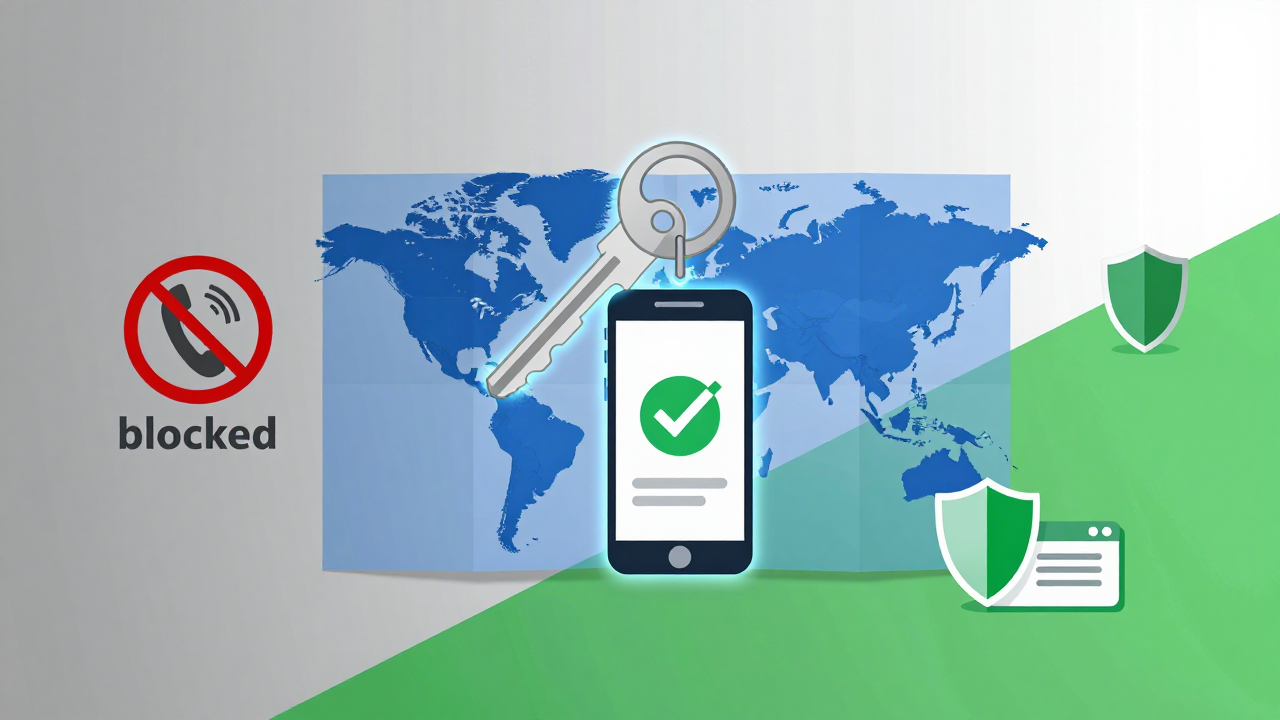
Additionally, some platforms support outbound SMS, meaning you can actively send texts from your assigned number. This is invaluable for two-way verification scenarios, like when a platform sends you a confirmation text and requires a specific reply to activate your account.
Industry Outlook: Where the SMS Verification Market Is Headed
Over the past year, overseas platforms have significantly upgraded their risk-control strategies. Previously, one number could be reused across different platforms. Now, many platforms check a number's "freshness" and usage history. This means SMS verification providers must continuously refresh their number pools to keep pace.
From conversations with cross-border operators, the top priority when choosing a platform is no longer price—it's stability. Stability means the number actually receives codes, your account doesn't get flagged after registration, and the platform won't suddenly vanish overnight. Behind the scenes, this tests the provider's carrier relationships and risk-control capabilities.
Looking ahead, the market will continue to split into two tiers: cheap, low-quality "disposable" platforms on one end, and professional providers focused on service quality and compliance on the other. For cross-border businesses and freelancers, the latter is the only viable long-term partner.
Final Thoughts: SMS Verification Platforms Aren't a Magic Bullet
Back to the original question—what is an online SMS verification platform? At its core, it's a tool that solves the overseas phone verification problem. But whether it works well depends on how you use it and who you choose.
If you only need to register a couple of overseas accounts occasionally, any platform will do. But if you're running a cross-border business, your accounts are your assets—treat your SMS verification provider like critical infrastructure. Choosing a service like Getfollow with stable number resources and clear compliance boundaries might cost more upfront, but it pays off in the long run.
One final reminder: no platform can guarantee 100% success because overseas risk-control systems are constantly evolving. If a code doesn't arrive, first check whether your number has expired, then contact customer support. Most issues are solvable.
Frequently Asked Questions
Is it legal to use an online SMS verification platform?
Yes, the platforms themselves are legal. The compliance boundary depends on your use case. Using them for legitimate business registration and account management is fine. Using them for fraudulent activities like mass account farming or payment fraud crosses into illegal territory.
What's the difference between shared and dedicated numbers?
Shared numbers are used by multiple people and are more likely to trigger fraud alerts on overseas platforms. Dedicated numbers belong exclusively to you, offering higher stability and a much lower risk of being flagged. Dedicated numbers cost more but are the standard choice for serious cross-border operators.
Why do verification codes sometimes fail to arrive?
Common causes include: the number expired before the code was sent, the overseas platform flagged the number as risky, or the number was previously abused. Check your number's validity first, then contact the platform's support team to troubleshoot. Most issues are resolved quickly.
Can I use one number for multiple platforms?
Technically yes, but it's not recommended. Many overseas platforms now check a number's usage history. A number already registered on multiple platforms is more likely to be rejected or trigger risk controls. For critical accounts, always use a fresh, dedicated number.
How much does an SMS verification platform cost?
Pricing varies widely based on number type, country, and validity period. Shared numbers can cost as little as a few cents per use, while dedicated numbers with extended validity range from a few dollars to tens of dollars. Always review the pricing structure for hidden fees before committing.