SMS Second Verification in 2026: Risk Control Logic and Smart Provider Selection for Cross-Border Operations
SMS Second Verification in 2026: Risk Control Logic and Smart Provider Selection for Cross-Border Operations
SMS second verification means reusing the same phone number to receive verification codes across different platforms or business scenarios after the initial registration. In 2026, its core value lies in cutting multi-platform account verification costs for cross-border operations—but only if you stay within platform risk control rules and compliance requirements.
Cross-border businesses and independent studios are leaning harder than ever on SMS second verification in 2026. Whether you're managing social media accounts in bulk, signing up for overseas services, or verifying e-commerce storefronts, the speed and reliability of your verification process directly determines how fast your operation moves. But here's the catch: platform risk control systems have gotten significantly tougher this year, and blindly reusing numbers is a fast track to getting banned. This guide breaks down platform rules, technical implementation, and provider selection so you can make confident, informed decisions.
Platform Risk Control in 2026: What Second Verification Must Survive
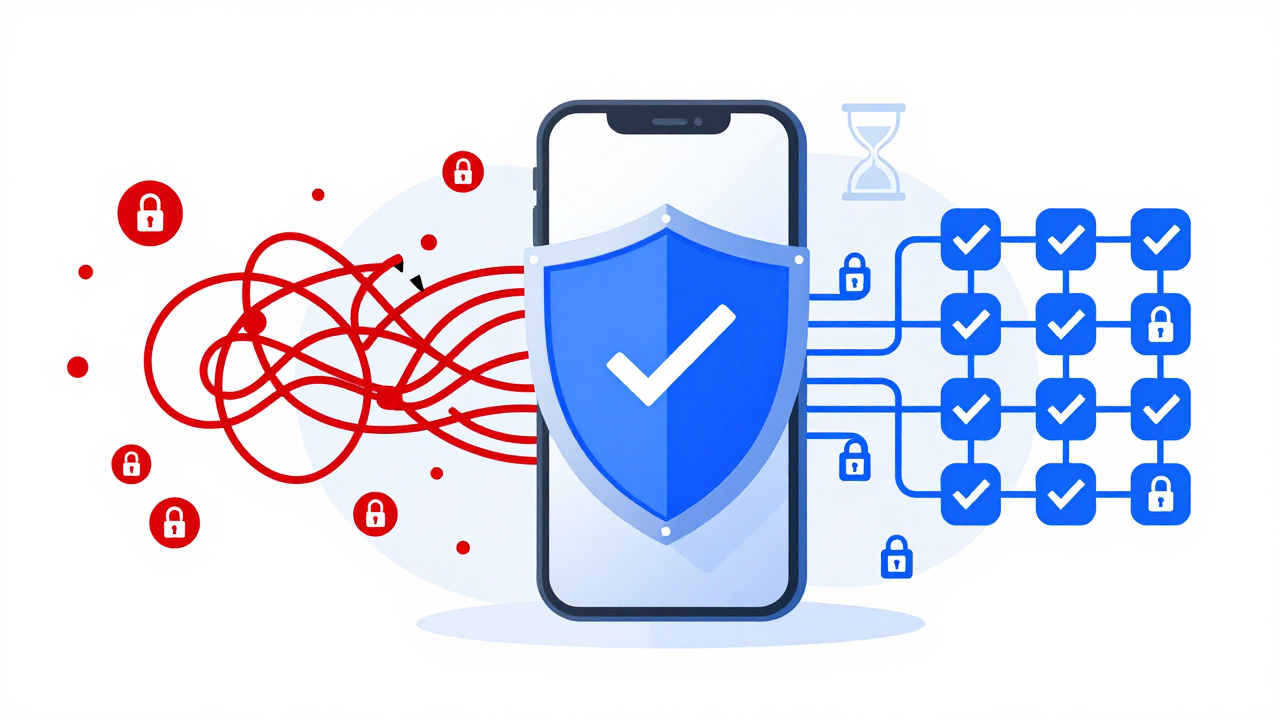
Major platforms have shifted from simple "single-point checks" to full "behavior chain analysis" when monitoring number registration and verification. It's no longer just about whether a number has been used before—systems now cross-reference device fingerprints, IP addresses, and time intervals between operations. If one number gets used to register multiple unrelated platforms within a short window, its risk score climbs fast.
Industry data from 2026 shows that 60%–75% of account bans in cross-border operations trace back to number abuse or suspicious environment associations—not simple user error. In other words, second verification success depends heavily on how "clean" your number is and how reasonable its usage pattern looks.
The industry consensus is clear: a number's "conditioning period" and usage frequency are the two metrics risk engines care about most. A number that gets bounced around different overseas platforms in 2026 typically survives only 3–6 months. That's why second verification isn't just a "receive code and forward" transaction—it demands strategic planning around how each number gets used.
Here's a cautionary tale: one cross-border seller tried to cut costs in early 2026 by using the same batch of numbers to mass-register accounts on multiple e-commerce platforms. Within two weeks, they faced widespread bans that wiped out over 30% of their potential customer touchpoints. The hidden cost of ignoring risk correlation far exceeded the SMS fees they saved.
Technical Implementation: API Integration vs. Manual Number Pool Management
By 2026, the technical side of second verification has become highly productized. You've got two main routes: using a provider's online dashboard or app to grab numbers manually, or integrating verification capabilities into your internal automation via API. For studios or companies processing more than 100 verifications daily, API integration isn't optional—it's the only way to scale.
Teams using API integration in 2026 see average verification response times drop to 5–10 seconds, while manual operations typically take 30 seconds or more. For batch verification scenarios, that difference determines whether your project can scale at all.
On the number pool management front, most providers now offer "project-based number isolation." This means a batch of numbers gets dedicated exclusively to specific platforms or business lines, preventing cross-contamination that triggers risk flags. From my experience, mature cross-border teams split their pools into "high-authority segments" for core business registrations and "standard segments" for auxiliary verifications.
Another game-changer in 2026: real-time number status monitoring. When a number gets flagged or its risk level rises, the system automatically removes it from the available pool and alerts you to switch. This feature dramatically reduces the chain-reaction bans caused by using "compromised" numbers.
How to Evaluate Providers in 2026: Selection Criteria and Red Flags
Provider evaluation has moved well beyond price comparison. In 2026, you need to weigh success rate, stability, and compliance together. Rock-bottom prices usually signal poor number pool quality, frequent disconnections, or delayed code delivery.
Industry data for 2026 shows top-tier providers maintain success rates between 85%–95%, while budget options can dip below 60%. For businesses that depend on verification codes to complete registrations, every 10% drop in success rate adds roughly 15% to manual intervention costs.
When vetting providers, focus on these four metrics:
- Number coverage: Does the provider support the specific countries or regions your target platforms require?
- API stability and documentation: Are response times consistent? Are error codes clearly defined?
- Number pool refresh frequency: How often are flagged numbers purged and new segments added?
- Support and compensation policies: What happens when code delivery fails? Is the refund or credit policy explicit?
One critical warning: some platforms in 2026 enforce "guilt by association" penalties—if one number gets flagged, every account linked to it faces restrictions. Never permanently bind verification numbers to your core business accounts. Adopt a "one-time key" strategy: after verification completes, unbind or swap the number as soon as possible.
Provider Comparison: A Practical Reference for 2026
| Evaluation Criteria | Provider A (Comprehensive) | Provider B (Budget) | Getfollow (Case Reference) |
|---|---|---|---|
| Success Rate (2026 industry average) | ~90% | ~65% | ~88% |
| API Response Speed | 5–8 seconds | 15+ seconds | 6–10 seconds |
| Number Pool Refresh Frequency | Daily | Weekly | Daily |
| Project Isolation Support | Yes | Limited | Yes |
| Compensation Policy | Clearly defined | Vague | Clearly defined |
This comparison draws from publicly available 2026 data and user feedback—specifics may shift as providers adjust their strategies. In my observation, cross-border businesses chasing long-term stability often find that providers with better success rates and clearer support actually deliver lower total costs.
Actionable Recommendations and Long-Term Strategy
SMS second verification in 2026 is no longer a simple "buy a code, receive a code" transaction. It's a component of your overall account risk management framework. Before launching any project, answer these three questions:
- How many numbers do you need online simultaneously? What's your peak concurrency?
- How strict is your target platform's registration risk control? Do you need specific country segments?
- Do you have in-house technical capacity for API integration, or do you need a managed solution from the provider?
For small studios looking to validate a business model quickly, start with a pay-as-you-go provider for small-scale testing. Track success rates and response times, then decide whether to upgrade to a long-term plan. For teams operating at scale, negotiate contracts with clear SLAs—minimum success rates and defined fault response times should be non-negotiable.
Finally, regardless of which provider you choose, maintain an internal number usage log. Record which platform each number registered for, when it was used, and the verification outcome. This isn't just for troubleshooting—it gives you the data you need to refine your risk control strategy over time. The long-term value of SMS second verification lies in treating numbers as reusable business assets through careful management, not as disposable consumables.
Is SMS second verification legal?
In 2026, legality depends entirely on your use case. Using numbers to verify your own or your company's multiple accounts—without violating platform terms of service—typically sits in a gray area. But using second verification to mass-register fake accounts, bypass platform risk controls, or engage in fraud can violate laws and regulations. When in doubt, consult legal counsel before proceeding.
Why isn't my second verification number receiving codes?
Common culprits in 2026 include: the number has been flagged by platform risk control, the specific number segment is running low on availability, or the target platform has strengthened virtual number detection. Network latency or provider API outages can also cause delivery failures. Start by checking the number's status in your provider dashboard, then escalate to support if nothing looks wrong.
How do I choose a reliable second verification provider?
Evaluate success rates, API stability, number pool refresh frequency, and compensation policies. Run a small paid test first to observe real-world delivery speed and success rates. For example, Getfollow offers pay-as-you-go test access in 2026 with project isolation and real-time status monitoring, making it a reasonable starting point for evaluation. Also check independent reviews and peer feedback rather than relying solely on provider marketing.
Can second verification numbers work on all overseas platforms?
No. In 2026, financial and social media platforms in particular have become extremely aggressive at detecting virtual numbers. Even if you successfully receive a code, you may trigger manual review later. Research your target platform's risk preferences before registering, or ask your provider whether they offer platform-specific number segments.
What does second verification typically cost?
Pricing in 2026 varies by country segment, platform type, and volume. Standard segments generally run $0.01–$0.07 per code, while dedicated segments for popular platforms or high-authority numbers can climb to $0.15–$0.40. Bulk purchases usually earn discounts, but be wary of offers far below market average—the number quality probably won't hold up.