How to Choose a Paid SMS Verification Platform: Lessons from Years of Cross-Border Pitfalls
How to Choose a Paid SMS Verification Platform: Lessons from Years of Cross-Border Pitfalls
After years working in cross-border e-commerce, I've watched too many people get burned by SMS verification. Whether you're registering Amazon, TikTok Shop, WhatsApp Business, or even PayPal, every single step requires phone verification. Free verification platforms look like a money-saver, but the numbers are public and heavily reused—accounts get flagged by risk controls almost immediately. Sometimes you're hit with a secondary verification request; worse case, your store gets banned outright. So people wised up and switched to paid SMS verification platforms. But does paying actually guarantee reliability? Not necessarily.
I've personally tested over a dozen verification services on the market and talked with plenty of cross-border sellers about their experiences. Let's skip the fluff and get straight into how this industry really works, what to look for, and the traps that are easy to miss.
Why Free SMS Verification Platforms Are Becoming Useless
Many solo operators start with free verification to save a few cents. But the industry consensus is clear: free platforms' number pools are completely overused. A single number may have been used to register dozens of different accounts across multiple platforms, and risk control systems flag these numbers instantly. When you use one to create a new account, you're essentially born with a "suspicious" label attached.
What's worse, free platforms frequently fail to receive verification codes at all. It's not that the platform is broken—many international services (especially WhatsApp and Telegram) now block virtual number ranges and VoIP numbers outright. You wait and wait, the SMS never arrives, and your business momentum takes the hit.
There's also a hidden cost: time. Free platforms often require queuing, and during peak hours a single code can take two to three minutes to arrive. For anyone doing batch registrations or managing multiple accounts, that inefficiency ends up costing more than just paying upfront.
The Real Value of Paid SMS Verification Isn't "Receiving Codes"
Most people assume paid verification simply means buying a number that can receive texts. That's a shallow understanding. The true value of paid platforms lies in the cleanliness and stability of their numbers.
Take platforms like Getfollow, which have built a solid reputation in the industry. They use isolated number pool management, keeping records of each number's registration history and usage frequency. What you get is a "relatively clean" number—not a public one that's been recycled hundreds of times. For cross-border registration scenarios, that's a game-changer.
Paid platforms also typically offer a number retention period. After you register your account, the number stays active for a while, so you can receive follow-up verification texts. Free platforms are essentially use-and-discard; miss the code and you're restarting the entire registration process.
But here's the reality check: paying doesn't guarantee 100% success. Industry feedback consistently shows that even top-tier platforms only hit an 85%–95% success rate. When platforms upgrade their risk controls or specific number ranges get blocked, failures still happen. So don't treat a verification platform as an all-purpose insurance policy.
Five Hard Criteria for Choosing a Paid SMS Verification Platform
Based on my years dealing with service providers, price shouldn't be your only consideration. Run every candidate through these five dimensions:
- Can you specify the number's country of origin? Cross-border operations suffer when the number's location doesn't match your account's target market. If you're running a US store, you want a US number for verification. Many platforms only offer "random international numbers," which is useless for anyone doing serious, region-specific work.
- Does it support verification for major platforms? Not every number works with every service. WhatsApp, Telegram, Google, and Amazon each have their own risk control logic. A trustworthy platform will clearly state which services each number supports, rather than vaguely claiming "universal compatibility."
- Is there a refund policy for failures? This is critical. Verification failures are a normal part of the game. If a platform doesn't offer refunds or number reassignment on failure, you're just burning cash. The industry standard is simple: if the code isn't received, the fee is automatically refunded or a new number is provided at no cost.
- How long is the number valid? Some platforms give you only 5 minutes; others hold the number for 24 hours. If you need to bind additional services after registration, a short validity window will leave you scrambling.
- How fast is customer support? Cross-border work runs on different time zones. If you hit a verification issue at 2 AM and support isn't available, the cheapest platform in the world isn't worth it. Prioritize providers with 24/7 support or a reliable ticket system.
Here's a real-world cautionary tale from my own testing. A friend running a dropshipping site grabbed a $99 annual plan advertised as "unlimited verification." Within two weeks, the number pool had been drained by shady operations, and every number got blacklisted by platform risk controls. All five TikTok accounts he'd registered were throttled, and appeals went nowhere. He switched to a pay-per-use provider—higher per-transaction cost, but stable number quality and zero problems since.
What does this tell us? Verification services aren't about being cheap—they're about being consistent. Pay-per-use might have a higher unit price, but you control your costs and can cut losses at any time. Annual plans look economical, but if the number pool goes bad, you're stuck with a service you can't even abandon.
Industry Trends: Compliance Is Coming, but the Waters Are Still Murky
Many cross-border operators have noticed that since 2024, the verification industry has been moving toward compliance. On one hand, carriers are tightening control over number resources. On the other, major platforms—especially Meta's ecosystem—have dramatically improved their ability to detect virtual numbers.
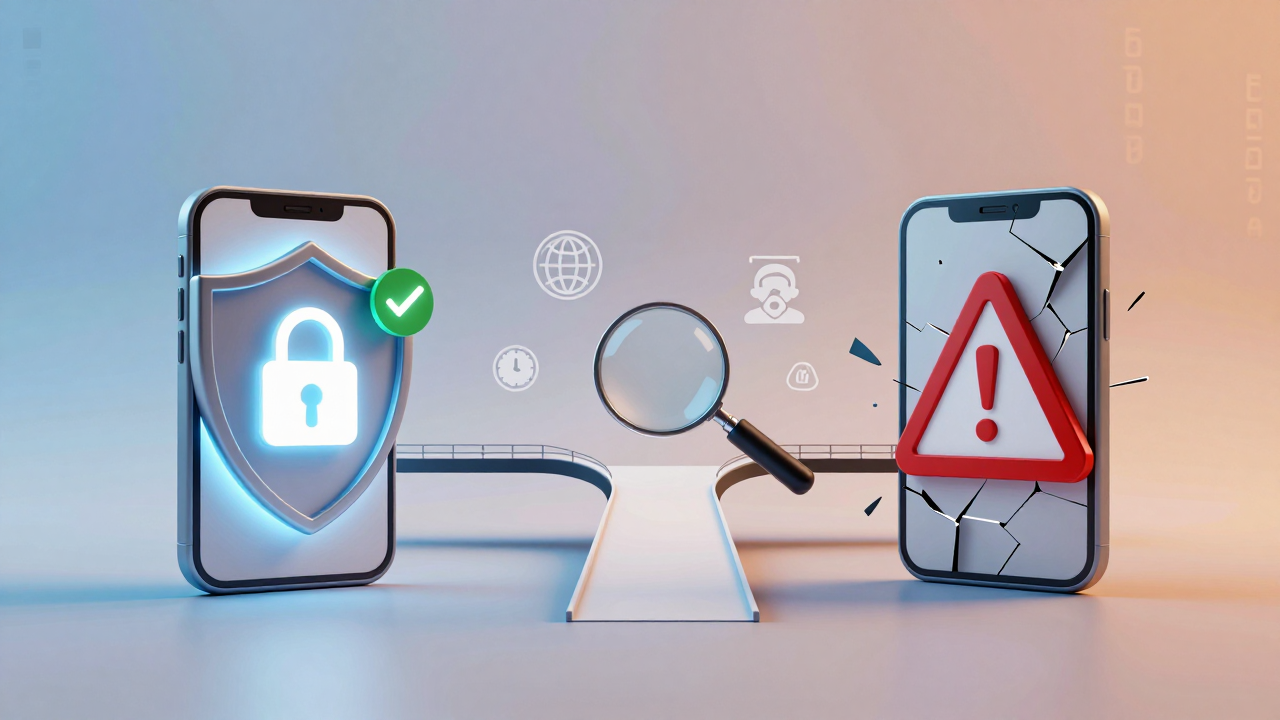
The direct result: verification costs are rising, and success rates are falling. What used to cost pennies now costs dollars, with no guarantee of success. Many small platforms have exited the market entirely. Those that remain are either providers with legitimate carrier resources or technically strong aggregators.
But the waters are still murky. Some platforms claim to use "real SIM card verification" but actually rely on IoT cards or voice numbers—both of which are essentially dead on arrival for certain platform registrations. Others play word games, advertising "WhatsApp support" when they only work with older versions while newer builds block them outright. You won't catch these details without hands-on testing.
The Overlooked Metric: Post-Verification Account Retention
Most people obsess over whether a code arrives, but ignore how the number performs after registration. I've noticed a pattern: some numbers successfully receive the code, yet the account gets flagged within hours, triggering face verification or additional documentation requests.
The root cause is the number's "reputation score." Every phone number carries an invisible credit rating with carriers and platforms, shaped by its usage history, registration behavior, and how many accounts are linked to it. Paid platforms are cleaner than free ones, but the quality of number pools varies significantly between providers.
Industry consensus puts post-verification account retention at 50%–70%. Any platform that consistently exceeds 70% is exceptional. If you find a service with high code-receipt rates but accounts that get banned shortly after registration, the number pool is likely overused—switch providers without hesitation.
Final Thoughts: Test Small First, Then Commit Long-Term
Can paid SMS verification platforms work? Yes—but only if you choose wisely. My advice: don't buy a large package upfront. Run a small test first, spending a few dollars on several verifications to gauge success rates, number quality, and support responsiveness. Then decide whether to scale up.
Also, don't treat verification platforms as your only solution. For core accounts—your main store, your primary social profiles—use real SIM cards or legitimate virtual operator numbers. Verification platforms are better suited for test accounts, secondary accounts, or one-time registrations.
In cross-border business, details determine success or failure. Verification is just one link in the chain, but if that link breaks, everything downstream falls apart. Hopefully, this guide helps you avoid a few traps and put your budget where it actually counts.
Frequently Asked Questions
Are paid SMS verification platforms safe to use?
Paid platforms are significantly safer than free ones because they maintain cleaner number pools and track usage history. However, no platform can guarantee 100% success, and using verification numbers for critical accounts always carries some risk. For essential accounts, real SIM cards remain the safest option.
What is the success rate for paid SMS verification?
Industry-wide, even reputable paid platforms typically achieve an 85%–95% success rate for receiving verification codes. Success varies by target platform, number region, and current risk control measures. Account retention after verification—meaning the account survives without being flagged—generally falls between 50% and 70%.
Can I use a paid verification number for WhatsApp or Telegram?
Yes, but not all numbers work with all platforms. WhatsApp and Telegram have aggressive detection systems for virtual and VoIP numbers. Reliable verification platforms will explicitly indicate which services each number supports. Always check compatibility before purchasing, and test with a small purchase first.
How much does a paid SMS verification service cost?
Pricing varies widely depending on the number's country, the target platform, and the provider. Single-use verifications typically range from a few cents to a couple of dollars. Annual unlimited plans exist but carry higher risk—if the provider's number pool gets compromised, you've wasted your money. Pay-per-use is generally the safer approach.