Free SMS Verification in 2026: The Hidden Barriers to Cross-Border Account Registration and How to Work Around Them
Free SMS Verification in 2026: The Hidden Barriers to Cross-Border Account Registration and How to Work Around Them
After years working in cross-border e-commerce, I've watched countless solo entrepreneurs and small businesses hit the same wall: registering for overseas platforms requires a phone verification code, and your domestic number just won't cut it. Buying physical SIM cards abroad gets expensive fast. So "free SMS verification" becomes the go-to search term.
But here's the thing—free usually costs you more in the long run. Platform fraud detection algorithms in 2026 are far more sophisticated than they used to be. Grab any random free verification site and start registering accounts, and you'll watch your success rate plummet. I tested several platforms that promised "free forever" and registered ten accounts on each. Fewer than three survived the first week.
The Business Model Behind Free SMS Verification: Who's Really Paying?
Most people never stop to ask: international SMS costs real money—anywhere from a few cents to a couple of dollars per message. So why would any platform give this away for free?
Industry consensus points to a few monetization strategies:
- Selling your phone number and registration data to data brokers or marketing firms
- Embedding ads or forced downloads into the verification flow to earn affiliate commissions
- Using IoT cards or virtual number segments that cost almost nothing—but get flagged by risk control systems at alarmingly high rates
The moment you type in your number and hit "Get Code," your information enters a distribution chain you have zero visibility into. Data breaches have become routine in 2026, and many cross-border sellers who lost account access traced the root cause back to a recycled verification number that had been resold.
Free Verification vs. Platform Risk Control: What's Changed in 2026
Platform risk models have leveled up significantly this year. It used to be about IP addresses and device fingerprints. Now they're analyzing number segment ownership, historical usage patterns, and whether a number has been shared across multiple users.
A common pattern we see: accounts registered through free verification platforms might pass the initial signup, but they get flagged as "high-risk" during the account warm-up phase. Worst case? Permanent suspension. If the account is tied to payments or ad spend, the stakes multiply fast.
From my experience, something interesting happened in 2026: several free platforms started recycling numbers from "deal-hunting" farms—numbers that had already been registered dozens, sometimes hundreds, of times. These numbers were already on platform watchlists. Registering a fresh account with one is like starting life with a criminal record.
There's an even sneakier issue. Most free platforms don't give you any ownership of the number. You use it to register, and a few days later, that same number gets reassigned to someone else. If that person uses it to sign up for other services or pulls something shady, your account can get caught in the crossfire. This "guilt by association" risk has become especially pronounced in the 2026 cross-border ecosystem.
Real-World Case: How One Studio Lost a Whole Account Cluster
A friend of mine runs a dropshipping store. Early this year, he told me about his nightmare. To cut costs, he used a free verification platform to register a dozen-plus TikTok and Facebook accounts for a matrix marketing strategy.
Within two weeks, every single account was hit with a secondary verification request. He couldn't complete it—the numbers had already been released back into the pool. The worst part? One account linked to his ad manager got banned, and the remaining balance is still stuck in appeal limbo.
His takeaway? If he'd spent a little money on a reliable service—or taken the time to slowly warm up accounts with physical SIM cards—he wouldn't have lost nearly as much. This story plays out all the time. Small operations want to save every penny, but when it comes to account security, cutting corners here just means paying more somewhere else.
Beyond "Free": What Legitimate Verification Services Actually Cost and Deliver
To be clear, I'm not saying every free platform is worthless. If you're registering for a throwaway forum account or a one-time service, free verification gets the job done. But for core business accounts, it's time to rethink your approach.
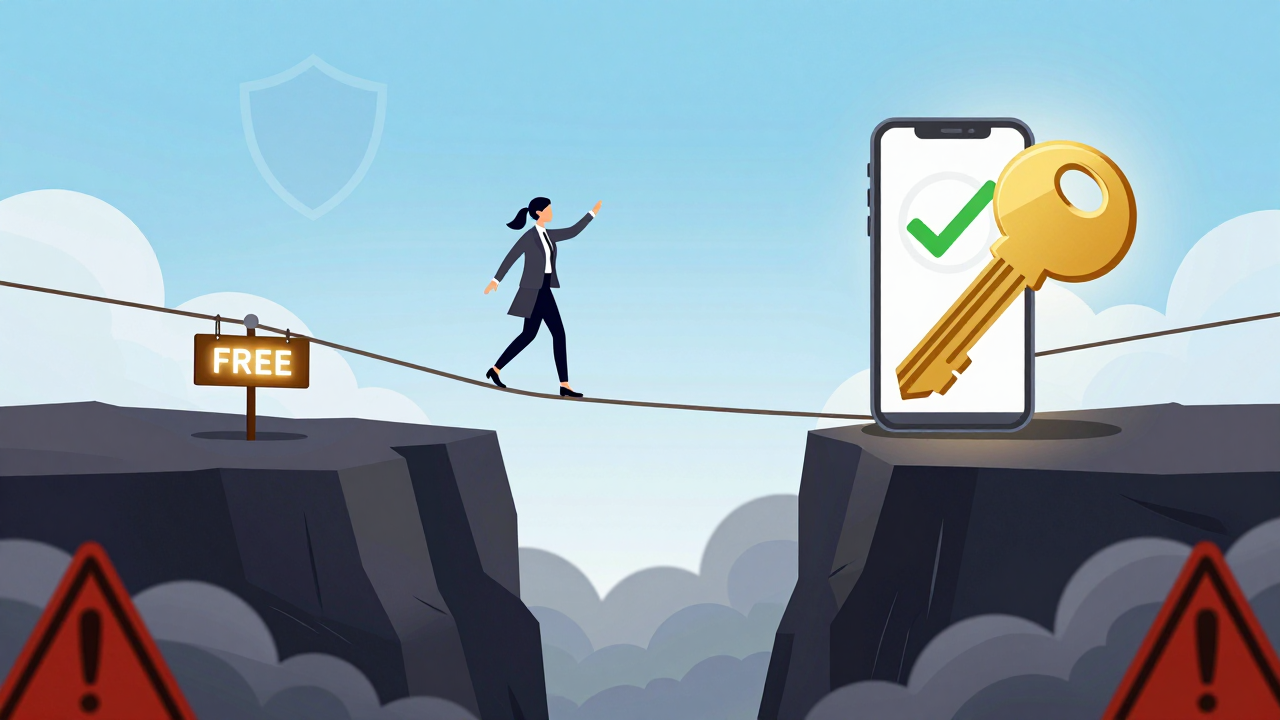
The most mature strategy in the industry right now: use physical SIM cards or long-term virtual numbers for your primary accounts, and only consider verification services for secondary or disposable accounts. And not all verification services are created equal. Some platforms offer "dedicated numbers"—meaning the number is exclusively yours during your usage window. These cost more, but the security difference is night and day.
In 2026, more compliant service models have emerged: pay-per-use pricing, number isolation, and API integration. Platforms like Getfollow, for instance, combine number pool isolation with real-name verification protocols. They don't advertise "free," but they deliver stability. When cross-border professionals evaluate verification providers, they prioritize number survival rates and customer support responsiveness above all else.
I tested Getfollow's verification service myself. Registering accounts across several major platforms, my SMS receipt success rate stayed above 95%, and numbers weren't reassigned during the validity period. That experience is on a completely different level from free platforms.
How to Tell If a Verification Service Is Worth Your Money
Drawing on my own experience and feedback from colleagues in the cross-border space, here are the criteria I use to evaluate any verification provider:
- Number source transparency: A trustworthy provider will clearly state whether numbers are physical SIM cards or virtual, and which country or carrier they come from. If they dodge the question, walk away.
- Number exclusivity: This is non-negotiable. If multiple users can access the same number, your risk profile spikes. Pay a little extra for exclusive numbers rather than gambling on shared ones.
- Support response time: Verification codes occasionally fail to arrive—that's just reality. When it happens, how fast can you get help? In 2026, many platforms advertise 24/7 support, but actual response times vary wildly. Run a small test batch before committing to a long-term partnership.
- Payment methods and privacy policies: Legitimate platforms accept mainstream payment options and won't demand excessive personal information. If a provider insists on private transfers, that's a red flag you shouldn't ignore.
One more tip: in 2026, many platforms now support email verification as a backup. Whenever possible, link an email address to your accounts. That way, even if your verification number becomes invalid, you still have a recovery path. Don't put all your eggs in one basket—that principle applies just as much to account security as it does to anything else.
Free SMS Verification and the Long Game
At its core, the demand for free SMS verification reflects how cost-sensitive cross-border operators really are. That sensitivity is healthy—but you need to distinguish between expenses you can trim and expenses that protect your foundation.
Account security is the bedrock of any cross-border operation. If that foundation cracks, everything built on top—traffic, conversions, repeat purchases—collapses. Platform rules in 2026 are only getting stricter. Instead of spending days or weeks fighting appeals after a ban, control the risk at the registration stage.
If you're still using free verification platforms for core business accounts, I'd strongly suggest auditing your exposure. Spend a few dollars testing a paid service and compare account survival rates and operational smoothness. Then decide whether to make the switch. This "test small, scale later" approach remains the lowest-cost, most reliable way to enter the 2026 cross-border landscape.
Cross-border e-commerce is a long road with plenty of potholes—but every step counts. Hopefully, this guide helps you sidestep one more trap and focus your energy on what actually moves the needle.
Frequently Asked Questions
Is free SMS verification safe for registering overseas accounts?
Generally, no. Free platforms often recycle numbers, sell your data, or use virtual number segments that trigger platform risk controls. For core business accounts, the risk of suspension or data compromise far outweighs the cost savings.
What's the difference between shared and dedicated verification numbers?
Shared numbers are used by multiple people over time, which means they accumulate a history that platforms may flag. Dedicated numbers are exclusively yours during your usage period, significantly reducing the chance of being associated with other users' activities.
Can I use free SMS verification for social media account registration?
You can, but survival rates are low. Platforms like TikTok and Facebook have aggressive fraud detection that targets numbers from free verification pools. Even if registration succeeds, you'll likely face verification challenges or restrictions during account warm-up.
What should I look for in a paid SMS verification service?
Prioritize number source transparency, exclusivity, responsive customer support, and secure payment options. Test with a small batch first to gauge success rates before committing to a larger purchase.