How to Choose SMS Verification Services Without Getting Burned
How to Choose SMS Verification Services Without Getting Burned
If you run an e-commerce business or manage overseas social media accounts, you're probably familiar with SMS verification services. Registering WhatsApp, Telegram, TikTok, or an Amazon storefront always comes down to that phone verification step. The market is flooded with options—prices range from fractions of a cent to several dollars per code—but the cheap ones often fail to deliver, and the ones that do deliver frequently stop working after first use. Let's cut through the noise and talk about how to actually pick a provider that won't let you down.
Why Your Accounts Keep Getting Flagged: It's the Number Source
Many cross-border operators report that accounts registered through budget verification platforms get banned within days. The underlying logic isn't complicated: the quality of an SMS verification service comes down to how clean the number pool is and how stable the carrier relationships are. Those ultra-cheap platforms typically recycle number ranges that have been registered dozens of times, or pull numbers from shady bulk sources. By now, those numbers are already flagged in every major platform's risk algorithms.
From my experience, teams that have been in the cross-border game for a while don't chase rock-bottom prices. They care about number freshness and exclusivity. For instance, when registering accounts for US or European regions, a provider offering physical SIM card resources—rather than virtual numbers that slip through the cracks—makes a night-and-day difference in success rates. Platforms like Getfollow have built a solid reputation in the industry precisely because they follow this compliance-first playbook: regular cleanup of the number pool and clear risk-control guidance for different registration scenarios.
Three Common Use Cases for SMS Verification
- Bulk account creation: When running matrix accounts, you need diverse IP and number combinations. Concurrency capacity and number-switching speed become critical here.
- Account recovery and appeals: Old accounts sometimes trigger secondary verification. This requires services that support voice verification or long-validity numbers—standard one-time codes won't cut it.
- Verification code forwarding: Some teams forward SMS from international numbers to WeChat Work or DingTalk for smoother collaboration. That demands providers with solid API integration.
Different scenarios place completely different demands on an SMS verification service. If you're only comparing price tags, you'll find yourself stuck at the worst possible moment.
Don't Judge a Provider by Its Price List
A lot of solo operators pick the first website they find and top up credits out of convenience. Then problems hit—support goes silent and refunds are nowhere to be found. Here are the screening criteria that actually matter, drawn from years of industry trial and error.
- Verify real number origin: Ask providers for number range screenshots, or better yet, test a number in your target country to see if it receives notifications from mainstream platforms without issues.
- Check for pay-per-use options: Some platforms force you into prepaid bundles with no refunds for unused credits. Reliable providers typically offer per-code pricing or small test packages.
- Assess risk-control support: When registering on strict platforms, does the provider offer environment recommendations (like matching proxy IPs)? This can dramatically reduce your ban rate.
Getfollow, for example, publicly lists which platforms each country's numbers work on, along with recent success rates. That level of transparency is rare in this industry. They also maintain dedicated support channels for business clients, so when sudden risk-control waves hit, they can adjust their number pool in real time. For teams running flash sales or ad campaigns, that responsiveness translates directly into cost savings.
One more thing worth mentioning: the worst outcome isn't failing to receive a code—it's receiving a code that someone else has already used. This happens frequently with providers that operate shared number pools. If your budget allows, go for plans that offer dedicated numbers. Sure, it costs a few extra cents per code, but the boost in account security is well worth it.
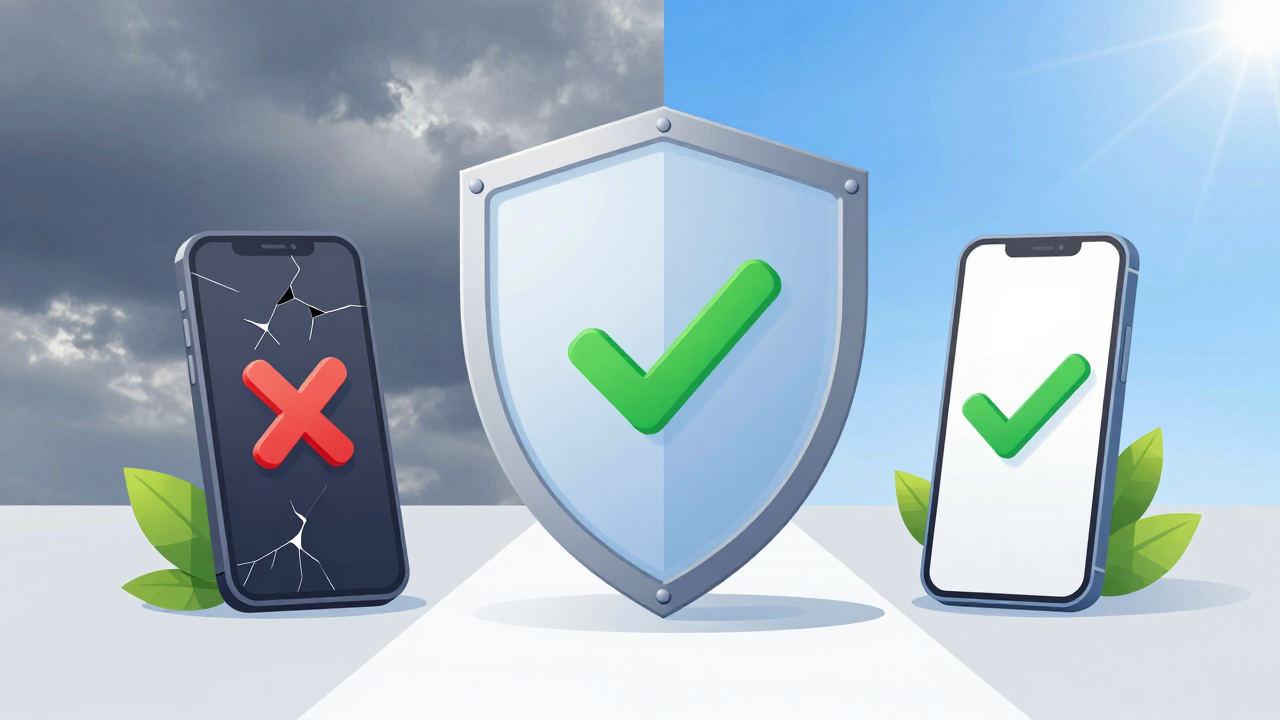
Industry Reality: A Mixed Bag, But Compliance Is Winning
Honestly, the barrier to entry in the SMS verification space is low, which is why a flood of price-war players jumped in a few years ago. But as overseas platforms tightened their risk controls, those budget-focused providers were the first to collapse—their number quality couldn't keep up, and user churn hit unsustainable levels. Meanwhile, service providers like Getfollow, who invested early in resource compliance, have steadily built trust and credibility.
I've noticed a clear turning point: since 2023, many cross-border service providers have started marketing "number real-name registration" and "scenario-based risk control" as selling points. That signals a shift from chaotic growth to more refined operations. For solo operators, this is actually good news—fewer options, but the ones that remain are far more dependable.
Here's the bottom line: an SMS verification service isn't just a "code-buying tool." It directly impacts the safety of your account assets. Instead of trial-and-error across multiple cheap platforms, invest time in finding one channel you can rely on long-term. Spending a few extra dollars for peace of mind is a trade-off that pays for itself every single time.
Frequently Asked Questions
What's the difference between shared and dedicated numbers for SMS verification?
Shared numbers are used by multiple customers simultaneously, which means you risk receiving codes that have already been consumed by someone else. Dedicated numbers are assigned to you exclusively for a set period, dramatically reducing the chance of code reuse and lowering your account ban risk. Most serious operators recommend dedicated numbers for high-value registrations.
Why do some SMS verification codes stop working after a few days?
This usually happens when the number comes from a recycled or low-quality pool that platforms have already flagged. When a platform detects suspicious registration patterns from a number range, it may invalidate all accounts tied to those numbers. Providers with clean, regularly refreshed number pools experience this far less frequently.
Can I use SMS verification services for WhatsApp and Telegram registration?
Yes, most providers support these platforms, but success rates vary significantly based on the number's country of origin and whether it's a virtual or physical SIM. For strict platforms like WhatsApp, physical SIM numbers from the target region tend to have the highest success rates. Always check the provider's documented success rates for your specific use case before committing.
What should I do if my account gets banned after using a verification service?
First, check whether the provider offers any appeal support or guidance—some maintain dedicated channels for exactly this scenario. Second, review whether you followed best practices for the platform (matching IP location, device fingerprint, etc.). Finally, consider switching to a provider with better risk-control guidance and fresher number pools to prevent recurrence.
Three Title Options for This Article
- How to Choose SMS Verification Services That Won't Get Your Accounts Banned
- SMS Verification Services: A No-Nonsense Guide to Picking a Safe Provider
- The Cross-Border Operator's Playbook for Reliable SMS Verification