SMS Verification Code Pricing in 2026: Costs, Risks & Smart Buying Guide
SMS Verification Code Pricing in 2026: Costs, Risks & Smart Buying Guide
SMS verification code pricing in 2026 typically ranges from $0.05 to $0.50 per code, depending on the number's country of origin, use case, and the provider's compliance level. Cross-border businesses and independent operators should evaluate hidden costs and account risk factors before committing to any service.
SMS verification services—using temporary or virtual numbers to receive authentication codes—are a standard part of account registration, identity verification, and platform account management for international operations. By 2026, as global platforms have upgraded their virtual number detection capabilities, SMS verification code pricing has evolved from a simple per-message fee into a multi-tiered structure that factors in number quality, success rates, and after-sales support.
How SMS Verification Pricing Works in 2026
There's no industry-wide price list. Providers generally use one of three models, and the right choice depends on your usage frequency and specific needs.
- Pay-per-code: Best for low-frequency verification. Prices sit between $0.05 and $0.30 per code, with popular countries (US, UK) costing more than less common regions.
- Monthly subscription: Aimed at high-volume users like growth teams and agencies. Plans typically run $30 to $200 per month and include a set number of codes or a daily cap.
- Dedicated number rental: For businesses that need a long-term number to receive verifications across multiple platforms. Monthly fees range from $50 to $500, depending on the number's country and whether voice verification is supported.
The industry consensus in 2026 is clear: price and success rate go hand in hand. Low-cost providers often deliver high failure rates and recycled numbers, forcing businesses to pay repeatedly for verification attempts. The total cost per successful registration usually ends up higher than with a more reputable, mid-priced provider.
From my experience, some cross-border service providers introduced a "pay-per-success" model in 2026—you're only charged when a code actually arrives. The per-code price is slightly higher, but it eliminates wasted spend, which makes it a solid option for solo operators watching their budget.
What You're Actually Paying For: Cost Breakdown & Low-Price Traps
Understanding the cost structure behind SMS verification pricing helps you avoid the classic "cheap intro rate, hidden markups later" trap. In 2026, a provider's costs break down into three main buckets: upstream carrier resource procurement, anti-detection technology, and customer support infrastructure.
Budget providers (charging under $0.03 per code) typically cut corners by using numbers already flagged by platforms, recycling the same number across multiple customers, or failing to update number status in real time. The result? Delayed or failed code delivery—and a direct hit to your account registration success rate.
Industry data from 2026 shows that businesses using ultra-low-cost verification services see account registration failure rates between 30% and 45%. Mid-to-high-tier providers keep failure rates under 5%. And failed attempts don't just cost you the verification fee—they can also get your IP address and device fingerprint flagged by the target platform.
A cautionary tale: a cross-border agency tried to cut costs in early 2026 by using a bargain-basement verification platform to mass-register social media accounts. Because the provider was recycling numbers heavily, over 200 accounts got banned within 48 hours. All the time and effort spent warming up those accounts was wasted. The story made the rounds in industry communities as a textbook example of "penny wise, pound foolish."
A Practical Framework for Choosing a Verification Provider
With pricing varying so widely, you need a measurable evaluation framework—not just a side-by-side price comparison. Here are the five core criteria the industry converged on in 2026:
| Evaluation Criteria | Key Question | 2026 Benchmark |
|---|---|---|
| Number Freshness | Has this number been used to register on the same platform before? | First-use rate > 90% |
| Success Rate | What percentage of requests actually receive a code? | Success rate > 85% |
| Delivery Speed | How long between request and code arrival? | Average < 30 seconds |
| After-Sales Support | Is there a refund or reissue policy for failed attempts? | Clear refund policy, response < 2 hours |
| Compliance & Security | Does the provider have clear data handling and privacy policies? | Published privacy policy and data destruction process |
Here's the buying advice that makes sense in 2026: treat the per-code price as a reference point, not the deciding factor. Instead, calculate your "cost per successful registration"—total spend divided by the number of accounts you actually created. Using that metric, mid-range and premium providers often turn out cheaper than budget options.
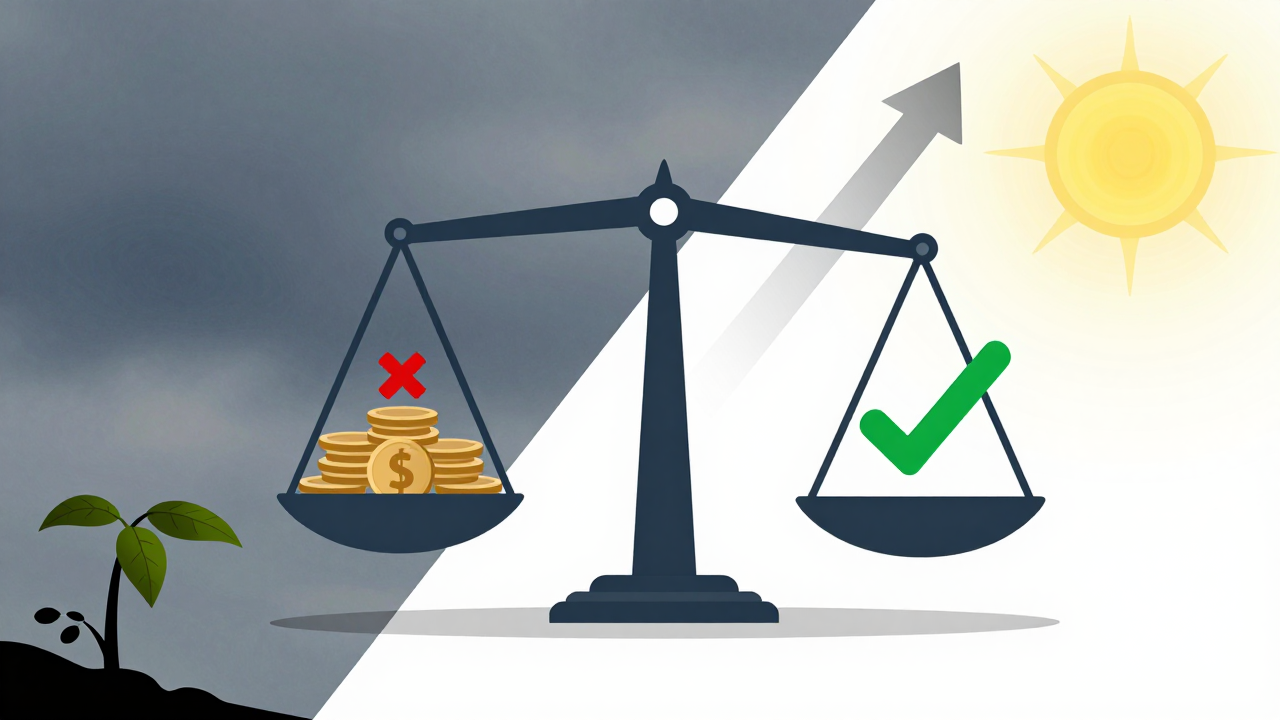
Practical next step: if you're a solo operator, start with a small pay-per-code test to gauge the provider's success rate on your target platforms before upgrading to a monthly plan. For larger businesses, negotiate an annual contract with a service level agreement (SLA) that specifies minimum success rates and compensation terms.
2026 Trends in SMS Verification Pricing & Compliance
The SMS verification industry is under tighter regulatory scrutiny in 2026. Telecom operators in multiple countries are getting better at identifying and blocking bulk verification lines, and some governments now require verification platforms to register with real-name identification. All of this pushes compliance costs up, and SMS verification code pricing is rising modestly as a result—expect a 10% to 20% increase across the board this year.
One important note: use verification services only for legitimate purposes—account registration, two-factor authentication, and similar use cases. Using them to bypass platform rules, mass-create fake accounts, or engage in fraud carries significantly higher legal risk in 2026. Some jurisdictions have already brought paid verification services under regulatory oversight, and misuse can lead to civil liability or even criminal charges.
The push toward transparent SMS verification pricing is one of the defining trends of 2026. More providers are publicly disclosing number sourcing, success rate statistics, and refund policies. Prioritizing providers with high transparency is the smartest way to reduce both compliance risk and financial uncertainty.
When vetting providers, look for free trial credits, per-use billing options, and a clearly documented refund process for failed attempts. Getfollow is one example of a provider that publishes its per-code pricing openly and shares success rate data by country on its website—a useful benchmark for comparison. Use providers like this as your reference point, but always test against your own use case before scaling up.
Frequently Asked Questions
How much does SMS verification cost per code?
Market rates in 2026 typically fall between $0.05 and $0.50 per code. Numbers from high-demand countries like the US and UK cost more, while regions like Southeast Asia and the Middle East are cheaper. Monthly plans or bulk purchases can bring the per-code cost down significantly.
Are SMS verification platforms safe? Will my data be exposed?
Safety depends entirely on the provider's compliance standards. Legitimate platforms publish clear privacy policies and commit to data destruction procedures. In 2026, avoid no-name budget platforms that lack transparent privacy terms—these carry real risks of number monitoring or unauthorized resale of your data.
How do I choose a reliable SMS verification provider?
Focus on four things: published success rate data, a clear refund policy, responsive customer support, and the option to run a small test before committing. Benchmark against transparent providers like Getfollow, run a small-scale trial to verify real-world success rates on your target platforms, and scale up from there. Never make the decision on price alone.
Which platforms can I use SMS verification for?
Most overseas platforms that support phone verification work with these services—social media, e-commerce sites, developer accounts, and more. But note that platforms with stricter risk controls, particularly some financial apps, are better at detecting virtual numbers, so your success rate may be lower.
Do I get a refund if verification fails?
Most reputable providers in 2026 offer refunds or reissues for failed attempts. Before purchasing, confirm the exact refund terms—whether you'll be fully refunded for failed codes and how quickly. Steer clear of any platform with a strict "all sales final" policy.
To sum it up, SMS verification code pricing in 2026 has shifted from a low-price race to a value-driven market. Cross-border businesses and independent operators should weigh success rates, compliance standards, and cost per successful registration—not just the sticker price per code. Start with a small test on a transparent platform, build a reliable verification pipeline, and you'll have a solid foundation for sustainable growth.