SMS Verification Platform Blacklist Features: The Hidden Shield Against Account Bans in Cross-Border Business
SMS Verification Platform Blacklist Features: The Hidden Shield Against Account Bans in Cross-Border Business
After two years in cross-border e-commerce, the phrase I hear most often is: "Lost another account." Either the platform bans it, or you're halfway through registration and discover the number's already been used by someone else. Most teams chalk it up to bad luck, but people who actually know what they're doing have long been studying the blacklist features of SMS verification platforms. This function might seem minor, but it's literally the difference between life and death for account survival rates.
Let me cut straight to the point: the blacklist feature isn't just a simple "block list." It's the most critical component of a platform's risk control system—it directly determines whether the numbers you get are "clean" or "contaminated." When judging whether an SMS verification platform deserves long-term partnership, start by checking whether its blacklist mechanism is transparent and whether responses are timely.
Why Did Blacklist Features Suddenly Become Non-Negotiable?
After 2024, risk control models across major overseas platforms got a collective upgrade. Previously, one number could register multiple accounts. Now, attempting a second registration basically triggers verification. Worse, if a specific number gets used for bulk registration or sending abnormal requests, the entire number block gets flagged, creating ripple effects for anyone using it afterward.
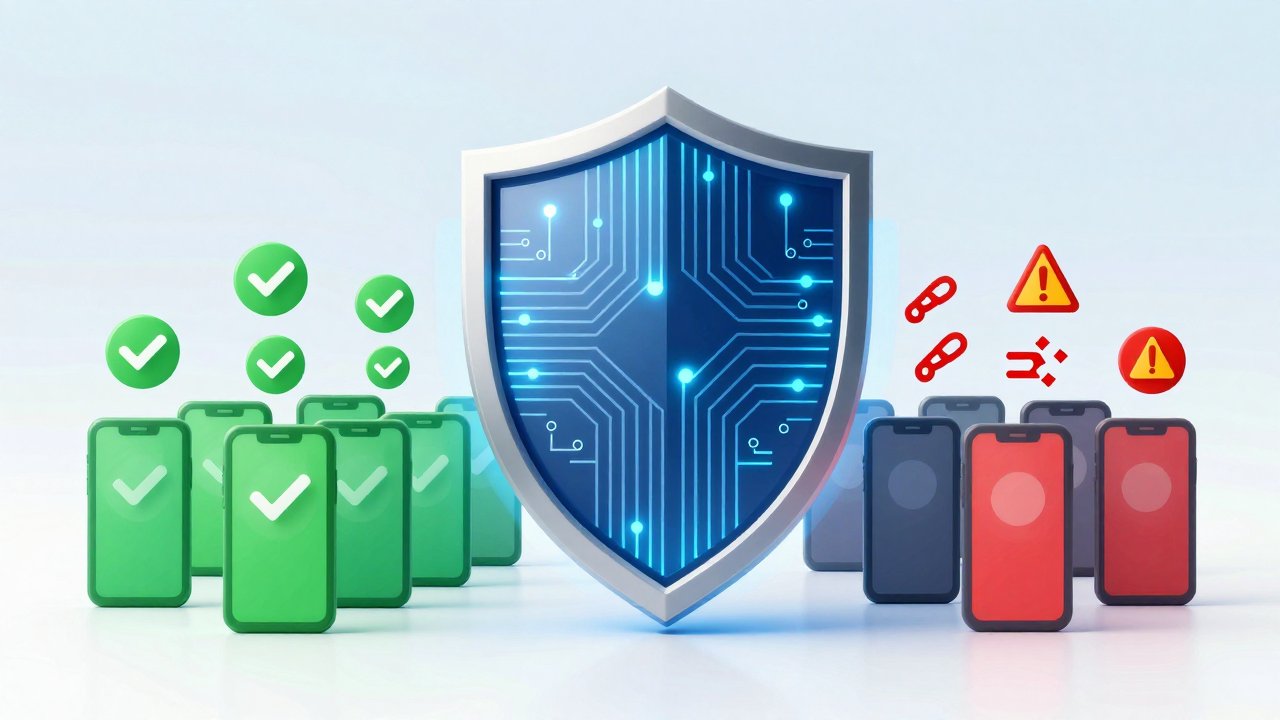
Industry consensus is clear: "reuse rate" and "contamination rate" are the two hard metrics for measuring SMS platform quality. The blacklist feature is the valve controlling both. A responsible platform will promptly blacklist flagged numbers to prevent the next user from stepping into a trap.
From my own testing across several platforms, a pattern emerges: platforms with solid blacklist features typically categorize the blocking reasons—whether it's platform risk control, user-initiated blocks, or number reporting. This level of transparency helps you decide whether to keep pushing with a number or cut your losses immediately.
Three Typical Use Cases for Blacklist Features
Cross-border professionals consistently report three scenarios where blacklist features prove most valuable—each one directly tied to revenue.
- Preventing collateral bans during registration: When a number block experiences widespread risk flags, platforms will blacklist in bulk. At that point, even unused numbers in your possession are likely "dirty." Reliable platforms warn you in advance rather than waiting until after your registration fails.
- Catching anomalies during account nurturing: After successful registration, if the platform detects suspicious login records for that number elsewhere, it proactively blacklists and alerts you. This action prevents your account from being linked to a ban.
- Recycling mechanisms that prevent waste: Some platforms let users manually blacklist a number with a "no longer in use" marker. This prevents the number from being reassigned and reduces the risk of account recovery by others.
Here's a real case. A friend running a TikTok Shop registered 20 accounts using one platform's verification codes. Everything worked fine for three days. On day four, eight accounts simultaneously triggered phone verification requests. After investigating, he discovered those numbers all came from the same block—a block that had been flagged because someone else used it for bulk registrations. If his platform had offered proactive blacklist warnings, he could have switched number blocks before the damage was done.
The Current Landscape: The Two Sides of Blacklist Features
Today's SMS verification platforms split into two camps regarding blacklist functionality. One camp practices "reactive blocking"—they only blacklist numbers after users complain or accounts get banned. This approach is cheap, but the user experience is terrible. The other camp practices "proactive risk control"—using algorithms to predict number risk, blacklist proactively, and sync updates to users in real time. Platforms like Getfollow, which maintain solid industry reputations, operate on this compliance-first logic.
But let's be honest: proactive risk control demands serious technical muscle. It requires real-time number monitoring, integration with multiple overseas risk databases, and handling user feedback loops. Many smaller platforms simply can't pull it off, leaving users to discover problems the hard way.
From a compliance standpoint, blacklist features also raise data privacy questions. Once a number is blacklisted, does the platform retain its registration records? Can third parties access those records? These are questions cross-border businesses and studios must ask during vendor selection.
4 Questions to Ask About Blacklist Features Before Choosing a Provider
If you're evaluating SMS verification platforms, don't just compare prices and number counts. Around the blacklist feature specifically, you need clear answers on at least the following points.
- Is blacklisting automatic or manual? Automatic blocking responds faster but risks false positives; manual blocking is more precise but depends on user reports. Both models have trade-offs—what matters is whether the platform has a safety net mechanism.
- Do you get refunds or compensation after a blacklist? Some platforms charge you regardless; others refund credits or provide replacement numbers. This directly impacts your trial-and-error costs.
- Is blacklist information visible to users? Good platforms provide the reason, timestamp, and source (platform risk control vs. user report). If a platform gives vague answers, treat that as a red flag.
- Is there a number block isolation strategy? Top-tier platforms segregate high-risk number blocks rather than mixing them with clean ones. This dramatically reduces collateral ban risks.
Many cross-border operators report that the fourth question gets overlooked most often—yet it's precisely what determines long-term viability. Platforms with proper block isolation ensure that even if one number gets blacklisted, your other active numbers remain stable.
Pitfall Guide: Three Hidden Traps Behind Blacklist Features
Even when a platform has blacklist functionality, that doesn't mean you're in the clear. Here are three common traps I've observed—each one has claimed victims.
Trap #1: Blacklisted doesn't mean permanently banned. Some platforms, to control costs, release blacklisted numbers back into circulation after a set period. That means an account you registered could suddenly become verifiable by someone else one day. Choose platforms that explicitly promise "permanent blacklisting," or at minimum, confirm the number's lifecycle before committing.
Trap #2: Blacklist data isn't shared across platforms. A number blacklisted on one platform might still be in active use on another. This isn't platform negligence—it's the industry's data silo problem. As a user, you can test the same number across multiple platforms during registration. If you find a number already in use elsewhere, abandon it immediately.
Trap #3: Blacklist features get abused. A tiny minority of platforms mark perfectly normal numbers as "blacklisted" to charge fees. This practice isn't widespread, but it does happen. Keep screenshots and records during small-scale testing, and cut your losses the moment something feels off.
How to Verify Whether a Blacklist Feature Actually Works
All talk and no testing gets you nowhere—real verification is the only way to know. Here's a method I've personally tested that's low-cost and highly effective.
Step one: pick three different SMS verification platforms and fund each with the minimum amount. Step two: use the same phone number (not a real one) to request verification codes from all three platforms. Step three: observe which platform delivers codes and which flags the number as blacklisted. Step four: retest after 24 hours to see if the number's status changes.
This method quickly reveals whether a platform's blacklist mechanism is genuine risk control or window dressing. If a platform delivers a code on the first attempt but blacklists on the second, its risk control is dynamic. If it keeps delivering codes every time, be suspicious—the number might be getting recycled.
Additionally, pay attention to blacklist response time. In the industry, well-run platforms typically activate a blacklist within 10 to 30 minutes of a number being flagged. Anything longer suggests the platform's monitoring system has latency issues.
Final Thoughts: Test Small First, Then Commit Long-Term
The blacklist feature on SMS verification platforms is fundamentally a risk management tool. It won't guarantee zero account bans, but it significantly reduces account losses caused by number-related issues. For cross-border businesses and independent studios, the core logic for choosing a platform isn't "which is cheapest"—it's "which lets me sleep at night."
My advice: no matter how many glowing reviews you hear, start with small-scale testing. Fund the minimum amount, register 5–10 accounts, and observe for a week. Watch number stability, blacklist timeliness, and customer support responsiveness. Only after testing passes should you discuss long-term partnership. This approach keeps costs controlled and prevents unreliable platforms from dragging you down.
One final note: the blacklist feature is just one dimension of SMS verification services. What truly determines your business ceiling is how deeply you understand platform risk control logic. Hopefully, this article helps you sidestep a few landmines and redirect that energy toward business growth instead.
Frequently Asked Questions
What does a "blacklist" mean on SMS verification platforms?
A blacklist is a risk control mechanism that flags phone numbers as unsafe for future use. When a number gets blacklisted, the platform prevents it from being assigned to new users, protecting customers from registering accounts with numbers that could trigger bans or verification failures.
How quickly should a platform blacklist a risky number?
Industry best practice is within 10 to 30 minutes of detection. If a platform takes longer, its monitoring systems likely have delays that could expose you to contaminated numbers.
Can I get a refund if a number I purchased gets blacklisted?
It depends on the platform. Some deduct charges regardless, while others refund credits or provide replacement numbers. Always clarify this policy before committing funds.
Are blacklisted numbers permanently unusable?
Not always. Some platforms release blacklisted numbers back into circulation after a period to control costs. If permanent blocking matters to you, confirm this explicitly with your provider.