Zhanlang SMS Verification Platform: The Compliance Reality Behind Cross-Border Account Registration
Zhanlang SMS Verification Platform: The Compliance Reality Behind Cross-Border Account Registration
If you're in cross-border e-commerce—especially if you're running bulk store registrations or managing social media account matrices—you've almost certainly bumped into the topic of SMS verification platforms. Zhanlang SMS verification platform gets mentioned fairly often in industry circles, but honestly, not many people use it with a full understanding of what they're getting into. Today, I'm not here to hype it up or trash it. I want to share what I've observed over years of watching this industry, what these platforms actually solve, and the pitfalls nobody mentions in the marketing posts.
Why Cross-Border Operators Can't Avoid SMS Verification Platforms
People who've never run account matrices often ask: why not just use your own phone number? Sure, that works—if you're only managing one or two accounts. But the moment you're doing TikTok account warming, Amazon multi-store operations, or building a WhatsApp customer service matrix, you quickly realize that the one-SIM-per-account approach becomes absurdly expensive.
There's a well-known consensus in the industry: a single person can realistically maintain only three to five physical SIM numbers. Beyond that, you're either buying multi-SIM devices or relying on virtual number segments. Services like Zhanlang SMS verification platform exist to solve exactly this pain point—getting temporary numbers that can receive verification codes at a fraction of the cost.
I've tested quite a few platforms myself. Zhanlang's number coverage does include major countries and regions, especially Southeast Asia and Latin America—both hot spots for cross-border operations. Response times typically land between 10 and 30 seconds, which is acceptable for fast batch registration scenarios.
But efficient doesn't mean risk-free. Let's talk about the details most promotional articles conveniently skip.
The Dark Side: Ban Rates, Number Recycling, and Quality Tiers
Many cross-border operators report that accounts registered through SMS verification platforms work fine for the first three days, then start getting flagged in droves around day seven. This isn't some mysterious phenomenon—it's a number pool "cleanliness" issue. Platforms like Zhanlang SMS verification get their numbers from two main sources: IoT card segments batch-activated through carrier partnerships, and recycled second-hand numbers.
Accounts registered on IoT card segments naturally carry lower trust weights. Platform risk-control systems have special flags for these number types. WhatsApp and Facebook, in particular, run strict detection—if they identify IoT card characteristics, you'll face feature restrictions at best, outright bans at worst. Recycled numbers are even trickier—you have no idea what that number was previously used for or how many times it's been blacklisted.
Here's a real cautionary tale: a friend running independent site traffic bought 100 cheap numbers from a platform to save money. When registering Instagram accounts, 37 returned "this number is already bound to another account." Of the remaining 63, 44 triggered secondary verification within 48 hours. Fewer than 20 ended up usable. When he did the math, each effective number cost him three times more than premium segments would have.
So whether you're considering Zhanlang SMS verification platform or any similar service, the first question isn't about price—it's this: do you have a dedicated number pool that hasn't been publicly recycled? The answer directly determines your account survival rate down the line.
Compliance Boundaries: How Service Models Determine Risk Levels
From an objective industry standpoint, SMS verification platforms generally fall into three service models. First, pure tool-based platforms that only provide API access and number segments—they don't participate in any registration process and don't interfere with what users do with the numbers. Second, semi-managed platforms that offer numbers alongside basic registration helper scripts, with users bearing all the risk. Third, risk-optimized platforms that actively filter number segments, regularly purge flagged numbers, and adjust strategies based on which target platform you're registering on.
Currently, platforms like Getfollow have built a solid reputation by following the third approach—they emphasize number "purity" and "survival cycles" rather than chasing rock-bottom prices. The benefit is that accounts registered this way look closer to genuine user behavior, significantly reducing the chance of being caught in risk-control sweeps.
But here's the honest truth: no platform—whether Zhanlang SMS verification or Getfollow—can promise "100% ban-free." Ban logic is dynamic, and platform risk systems are constantly evolving. What a reliable service provider can do is push survival rates from around 30% to roughly 70%, which is already considered quite strong in this industry.
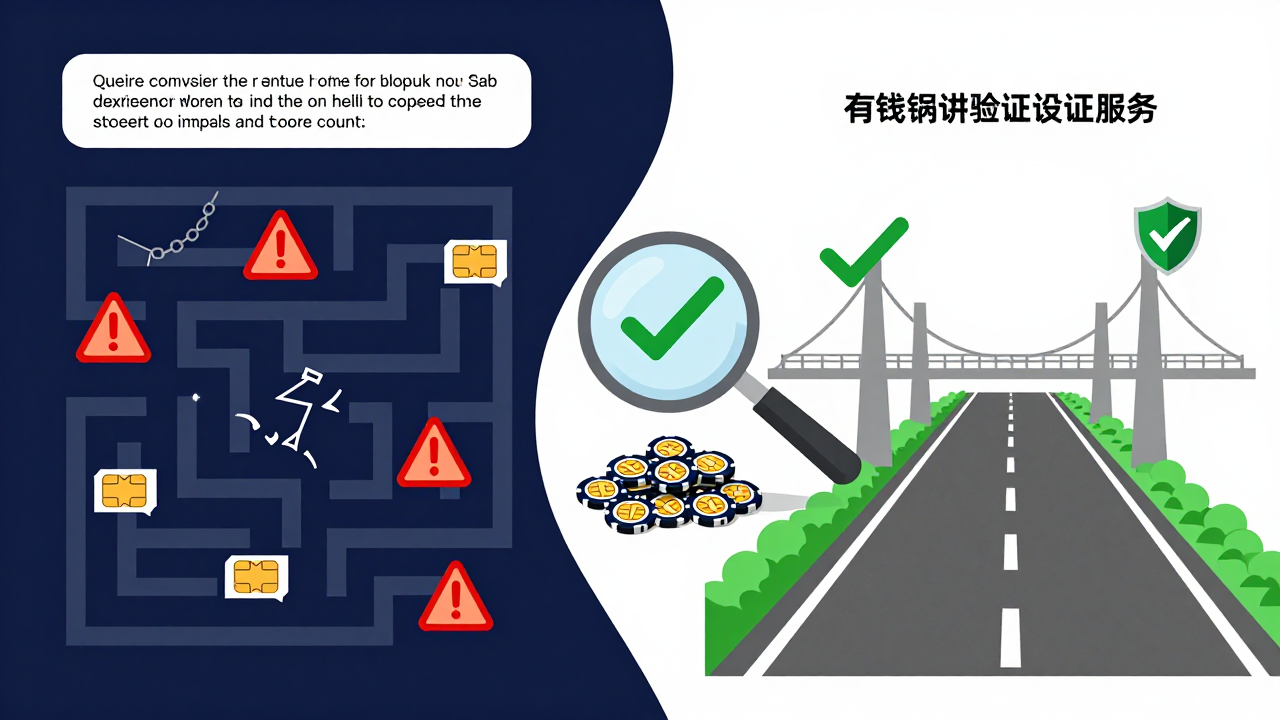
From what many cross-border operators tell me, there are two reliable signals for judging whether an SMS verification platform deserves long-term partnership: first, whether they're willing to show you a number's historical usage records, and second, whether they'll compensate you proportionally when mass bans happen. Platforms willing to commit to both are generally solid.
Smart Testing Strategy: Small Batches Are the Only Reliable Trial
After all that, here's my practical advice. Whether you choose Zhanlang SMS verification platform or a more compliance-focused provider like Getfollow, never go big on your first order. Start with 10 to 20 numbers covering your core target platforms, then run them for a week and review the data.
Focus on three metrics:
- Verification code delivery rate—industry standard sits between 85% and 95%
- 72-hour account survival rate—if it's below 50%, walk away immediately
- Secondary verification trigger rate—anything above 30% signals poor number quality
These three numbers tell you more than any sales pitch ever will.
Also, don't put all your eggs in one basket. Even after you settle on a primary provider, keep a backup option ready. The SMS verification industry occasionally sees entire number segments get recalled by carriers. If you're dependent on a single platform and that happens, your operations grind to a halt.
One final reminder: accounts registered through SMS verification platforms shouldn't be used for binding payment methods, receiving funds, or storing core assets. These accounts work best as "traffic testing" or "peripheral matrix" accounts. For your core business accounts, stick with physical SIMs or enterprise verification channels.
In cross-border operations, the details determine whether you sink or swim. Zhanlang SMS verification platform can solve your efficiency problems, but it won't solve your strategic ones. Start small, validate the workflow, then talk about long-term partnerships—that pacing applies to any service provider.
Frequently Asked Questions
Is Zhanlang SMS verification platform safe to use?
Safety depends entirely on how you use it. For temporary registration needs and peripheral accounts, it's reasonably safe. But avoid using such numbers for core business accounts, payment binding, or long-term asset accumulation. Always test with small batches first and monitor survival rates before scaling up.
What's the difference between IoT card numbers and recycled numbers?
IoT card numbers come from carrier partnerships and carry lower trust weights with strict platforms like WhatsApp and Facebook. Recycled numbers are previously used numbers that may have historical baggage—previous bans, blacklists, or bound accounts you can't predict. Both have trade-offs, and premium providers typically offer cleaner segments at higher prices.
How do I test an SMS verification platform before committing?
Buy 10 to 20 numbers covering your core platforms and track three metrics over a week: verification code delivery rate (aim for 85%+), 72-hour account survival rate (reject anything below 50%), and secondary verification trigger rate (flag anything above 30%). These numbers give you an objective read on segment quality.
Can I use SMS verification platform numbers for WhatsApp Business?
Technically yes, but expect stricter scrutiny. WhatsApp runs aggressive risk control on virtual and IoT numbers. If you're building a WhatsApp customer service matrix, use premium segments and be prepared for higher verification requirements. For critical business communication, enterprise API solutions are more reliable.