Best SMS Verification Platforms in Hubei: How Cross-Border Sellers Avoid Fake Numbers and Account Bans
Best SMS Verification Platforms in Hubei: How Cross-Border Sellers Avoid Fake Numbers and Account Bans
Let's cut straight to it: when choosing an SMS verification platform in Hubei, price shouldn't be your primary concern—number quality and risk-control logic matter far more. Cross-border teams based in Wuhan and Optics Valley rely heavily on SMS verification services to register overseas accounts, verify WhatsApp, and set up TikTok Shop stores. But here's the 2026 reality—budget platforms that mass-supply numbers typically see retention rates between 50% and 70%, sometimes even lower. Once a number gets flagged by platform risk controls, your main account often gets caught in the crossfire and banned.
Why Hubei's Cross-Border Community Is Re-Evaluating SMS Verification Providers
From my experience working with Hubei-based cross-border sellers, there's a clear pattern: most focus on independent sites, Amazon, and the TikTok ecosystem, and they take account nurturing far more seriously than the bulk-listing sellers you see in Guangdong or Fujian. The direct result? They're extremely sensitive to "card density" and "reuse frequency" on verification platforms. Industry consensus says that if a single phone number gets used by more than five different users within a day, risk-control systems will almost certainly flag it as high-risk.
Wuhan cross-border professionals have reported that since the second half of 2025, major platforms have been tightening their combined checks on registration IPs, device fingerprints, and number activity levels. Simply being able to receive a code isn't enough anymore—what matters is whether the number is "clean." Here's a practical detail: teams running TikTok Shop US stores in Hubei now routinely ask verification providers for a "number purity report"—essentially, whether a number was previously used to register on e-commerce or social platforms, and how many times. But fewer than three in ten providers can actually offer this level of transparency.
The Hidden Cost of Budget SMS Verification Platforms
Many solo operators try to save a few cents by opting for "bare numbers" priced between $0.01 and $0.04. The result? Registration works fine at first, but the next day you're hit with a secondary verification prompt—or worse, an outright ban. This isn't an isolated incident; it's the norm. Low-cost numbers are typically "second-hand"—numbers that have been registered multiple times, banned, and then recycled back into circulation.
Payment platforms like PayPal and e-commerce giants like Amazon have highly sophisticated detection systems for these numbers. There's an unofficial industry benchmark worth remembering: if a verification platform's number pool is under 100,000 and it doesn't offer a "dedicated number" option, the numbers are almost certainly being recycled. Those two cents you saved might cost you a store you've spent three months building.
Hubei Local Providers vs. National Platforms: How to Choose
A common misconception among Hubei business owners is that local providers offer better communication and faster support. But the logic of cross-border verification is simple: number origin affects risk-control weight. If you're registering a US account and using a number from a Hubei-based card pool, you're already triggering location-based risk alerts. The industry consensus is that a provider's service capability has nothing to do with geography—what matters is whether their card pool covers the major carriers in your target market.
Platforms like Getfollow have built a solid reputation by following this compliant operational model—supplying numbers by market segment, offering number purity checks, and strictly limiting reuse frequency. That said, it's not the only option; it's just a useful reference point for understanding how quality providers operate. What matters more is that you learn to evaluate providers yourself.
- Check card pool transparency: Legitimate platforms display their current carrier distribution—like what percentage of US numbers come from T-Mobile versus AT&T—rather than giving you a vague "US number" option.
- Test risk-control response speed: Here's a practical test—use a freshly registered number to log into an older account. If the platform can tell you the number's risk level within 30 seconds, their risk-control system is real-time.
- Review the refund policy: When you can't receive a code, do they refund immediately or make you wait 24 hours? The former is a better sign. Numbers fail all the time—what matters is whether the provider stands behind their service.
A Real-World Case Study: What Went Wrong and What Fixed It
In March, an independent site team in Optics Valley reached out to me after their verification platform "exploded"—every registered account went offline within a single day. After investigating, we found the platform had sold the same batch of numbers to three different client groups to cut costs. Those numbers were simultaneously used for e-commerce and social platform registrations, triggering a chain reaction of bans. The team lost 17 Facebook ad accounts, and their entire ad budget went down the drain.
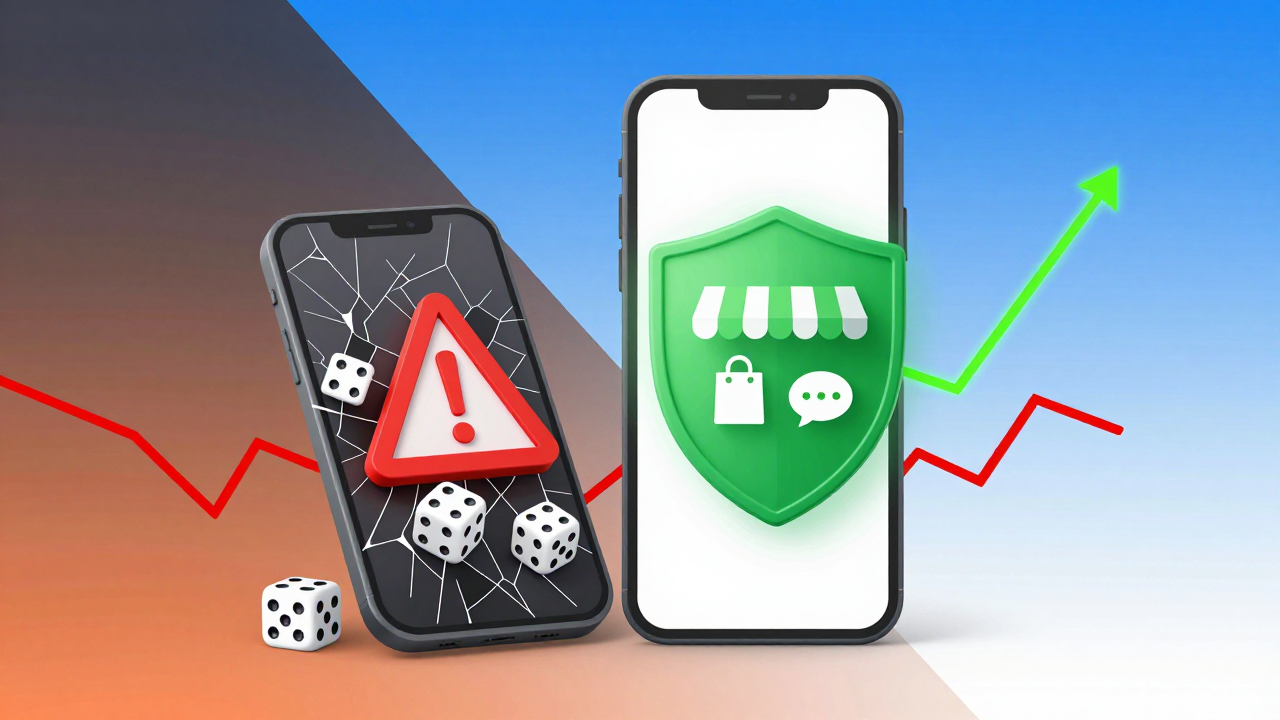
They switched to a provider offering "number exclusivity"—one number assigned to one client for its entire lifecycle. The cost was three to four times higher than standard verification services, but their account survival rate jumped from 60% to over 95%. This case illustrates a fundamental point: SMS verification is about buying insurance, not buying numbers.
Where Hubei's SMS Verification Market Is Headed
Industry observers agree that 2026 will bring further divergence in SMS verification services. The low-end market will keep competing on price, but API-based risk controls will gradually weed out these players. The mid-to-high-end market is shifting toward a "number-as-a-service" model—providing not just numbers, but bundled IP proxies, device fingerprint simulation, and automated registration workflows. Hubei cross-border businesses still stuck in the "as long as I can receive a code" mindset will likely fall behind in the next wave of platform crackdowns.
Another trend worth watching is the "number-card separation" model—where verification platforms stop providing numbers directly and instead offer API access to a number resource pool, letting businesses manage and allocate numbers themselves. This model has a higher entry barrier for solo operators, but for teams registering over 500 accounts monthly, the marginal cost drops significantly.
Here's my responsible advice for cross-border sellers in Hubei: regardless of which SMS verification platform you're considering, start with a small-scale test. Buy 10 numbers, use them to register on different platforms, and track survival rates and secondary verification triggers over seven days. This test typically costs under $7, but it can save you thousands in potential account losses.
Frequently Asked Questions
What is the best SMS verification platform for cross-border sellers?
The best platform depends on your target market and registration volume. Look for providers that offer carrier transparency, number purity reports, and real-time risk assessment. Test with a small batch of numbers before committing to a long-term contract.
Why do cheap SMS verification numbers get banned so quickly?
Budget numbers are usually recycled—previously registered, banned, and resold. Platforms like Amazon and PayPal have sophisticated systems that flag these numbers quickly, leading to secondary verification prompts or immediate account bans.
How can I test if an SMS verification platform is reliable?
Start by purchasing 10 numbers and using them across different platforms. Monitor survival rates and how often secondary verification is triggered over a week. Also, test the provider's risk-control response time by logging into an existing account with a new number.
Are local Hubei SMS verification providers better than national platforms?
Not necessarily. For cross-border registration, number origin matters more than provider location. A provider with a card pool covering US carriers like T-Mobile and AT&T is more valuable than a local provider with limited coverage.
Three SEO-Optimized Title Options
- Best SMS Verification Platforms in Hubei: Avoid Fake Numbers & Account Bans
- SMS Verification for Cross-Border Sellers: Hubei Provider Guide for 2026
- How Hubei Sellers Pick Reliable SMS Verification Services (Without Getting Banned)