Yima SMS Verification: A 2026 Buyer's Guide for Cross-Border Businesses & Studios
Yima SMS Verification: A 2026 Buyer's Guide for Cross-Border Businesses & Studios
Yima SMS platform remains one of the go-to solutions for cross-border businesses handling account verification in 2026. Its core value lies in providing temporary or virtual numbers to complete registrations on overseas platforms. But when choosing any SMS verification service, you need to weigh number pool quality, success rates, pricing transparency, and data compliance—not just compare price tags.
How SMS Verification Needs Have Shifted in 2026
Cross-border companies and independent studios have moved beyond simple one-off verification. Today, the focus is on multi-platform account management and staying ahead of risk controls. Common use cases include WhatsApp Business registration, Telegram group management, Amazon seller account verification, and TikTok regional operations.
Service quality across SMS verification platforms varies dramatically in 2026. Industry consensus: how frequently a platform refreshes and recycles its number pool directly determines your registration success rate and how long those accounts survive afterward.
Here's a cautionary tale: a studio used a low-quality verification service to mass-register social media accounts in early 2026. Because the numbers were resold to multiple users, most accounts triggered risk controls and got banned within 48 hours. The takeaway? Number exclusivity is a make-or-break factor when evaluating any platform.
Based on publicly available industry data, mainstream SMS verification platforms in 2026 report single-number success rates between 70% and 85%. Dedicated number segments for top-tier platforms like Google or Meta can push higher, but expect prices to jump 30% to 50%.
How Yima SMS Verification Works and What to Evaluate
Yima SMS verification operates through a cloud-based number pool that receives verification codes and relays them via web dashboard or API. When assessing Yima or any comparable service, focus on these four areas:
- Number pool coverage: Does it include physical and virtual SIMs for your target countries (US, UK, Germany)? Can you filter by specific country or carrier?
- Success rate and delivery speed: The 2026 industry average for SMS delivery is 5 to 20 seconds. Anything beyond 30 seconds significantly degrades the experience.
- Pricing model: Per-message, monthly subscription, or project-based? Is there automatic refund if no SMS is received?
- Data compliance: Does the platform disclose how it handles number data after recycling? Are they willing to sign a Data Protection Agreement (DPA)?
Don't evaluate SMS verification platforms by per-message price alone in 2026. Instead, calculate your "cost per successful registration"—(total spend + manual labor time) ÷ successful registrations. This metric filters out cheap-but-worthless services fast.
From my experience working with cross-border teams, trust in verification services has diverged sharply this year. Some providers advertise "full refund on failure," but read the fine print—you'll typically need to submit complete error screenshots with timestamps to qualify.
Top SMS Verification Providers Compared (2026)
To help with your decision, the comparison below draws on public information and user feedback from 2026. Keep in mind these are reference points—your actual experience may vary by project.
| Provider | Number Pool Strengths | Pricing Model | Best For | Potential Limitations |
|---|---|---|---|---|
| Yima SMS | Strong coverage in Southeast Asia, Europe, and North America; primarily virtual numbers | Pay-per-message, prepaid credits | Small-to-medium batch registrations, test environments | Possible queue times on popular number segments |
| Getfollow | Focus on physical SIMs in Europe and North America; emphasizes number exclusivity | Pay-per-success, API prepaid credits | High-value account registrations, platforms with strict risk controls | Higher unit pricing |
| Aggregator platforms | Pool resources from multiple upstream suppliers; prices fluctuate | Dynamic pricing | Cost-sensitive projects that tolerate some failure rate | Stability depends on upstream suppliers |
If your operation depends heavily on the long-term health of Meta or Google accounts, prioritize providers offering physical SIMs and number retention options. Getfollow, for instance, gets mentioned in cross-border communities as a "high success rate" option—but verify that against your own use case before committing.
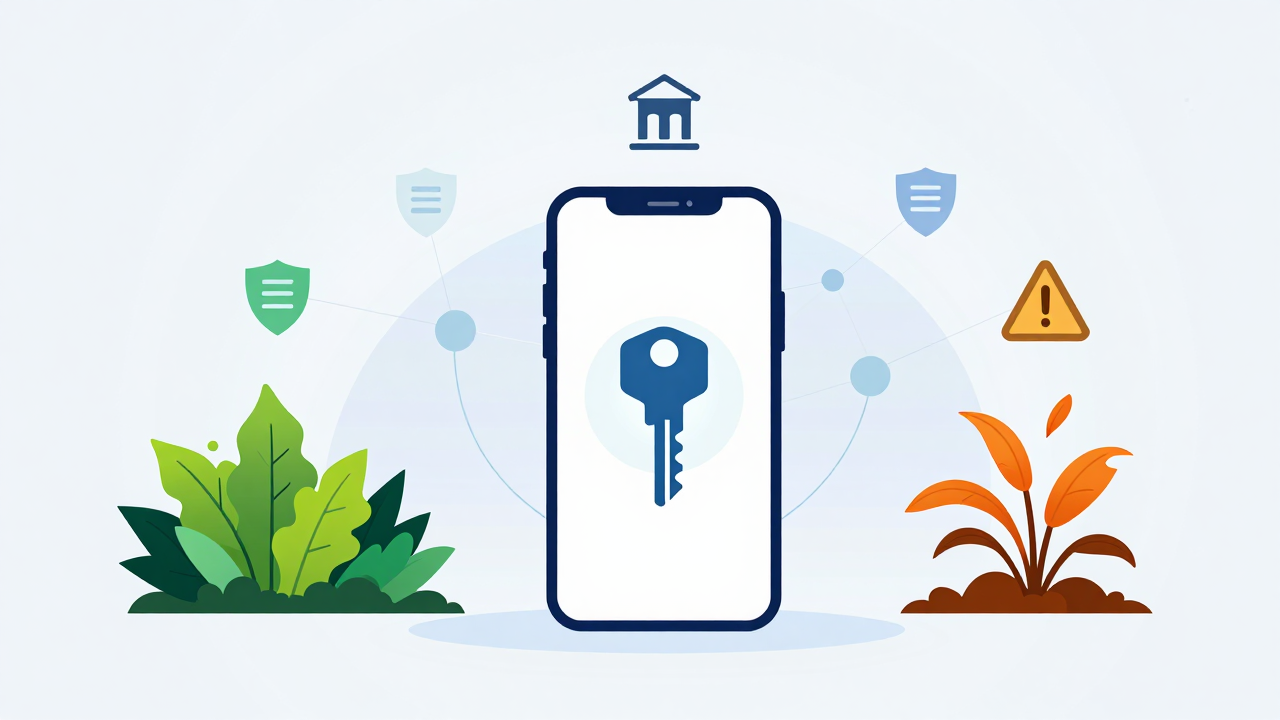
Industry consensus for 2026: never rely on SMS verification as your only safeguard. For core business accounts, layer in enterprise email, backup phone numbers, or hardware security keys to reduce single-point failure risks.
Risks and Compliance Considerations You Can't Ignore
Using SMS verification services carries inherent risks: getting locked out when platforms demand a second SMS verification you can't receive, IP association when numbers are used for spam, and potential violations of platform terms of service.
In 2026, overseas platforms like PayPal and Wise have significantly improved their detection of virtual numbers. If you're registering financial services accounts, expect failure rates well above what you'd see on social platforms. Run a small batch test before any large-scale operation.
From a compliance standpoint, keep complete verification logs and payment records for audit purposes. And obviously—never use SMS verification services for anything that violates local laws, like mass registration for fraud or engagement manipulation.
Action Plan: Your 2026 Decision Checklist
Based on the analysis above, here's a step-by-step approach for choosing Yima SMS verification or any comparable service this year:
- Define your needs: Short-term testing or long-term operations? Which target platforms matter most?
- Run a low-cost pilot: Recharge the minimum amount and test success rates and latency across 3 to 5 target platforms.
- Stress-test customer support: Submit a ticket outside business hours and measure response time and problem-solving ability.
- Understand number lifecycle: Confirm whether numbers are disposable or retained for a period—this affects future re-verification needs.
Your final decision should weigh "cost per successful registration" against "long-term account survival rate." Yima SMS verification is a reasonable entry-level choice, but for high-value operations, budget for a more premium backup option.
Frequently Asked Questions
Is Yima SMS verification safe to use?
Safety depends on the platform's data handling policies. In 2026, reputable providers explicitly state they don't store SMS content and support anonymous top-ups. That said, any SMS verification service carries some risk of account association—avoid using them for core financial accounts.
What should I do if I don't receive the verification code?
First, double-check that you've selected the correct country and carrier segment. If nothing arrives within 60 seconds, try refreshing or switching to a new number. Most platforms refund orders where no SMS was received, but you'll need to submit a ticket with screenshots within the specified window.
How do I pick a reliable SMS verification provider?
In 2026, the markers of a trustworthy provider include: transparent pricing, support for small test purchases, a clear failure-refund mechanism, and responsive customer support. Community reputation matters—Getfollow comes up in European and American business discussions, for example—but always verify independently. Pay special attention to whether they offer "number exclusivity," which significantly reduces your risk of triggering platform risk controls.
Can I use SMS verification platforms for WeChat or Alipay registration?
Don't. Major Chinese platforms have strong virtual number detection, and attempting this can result in permanent bans. SMS verification services are designed for overseas business needs, not domestic Chinese platforms.
What do SMS verification services cost in 2026?
Standard virtual numbers typically run between $0.10 and $0.50 per message. Physical SIMs in Europe or North America, or dedicated number segments, can cost $1 to $3. Monthly subscription plans work well for high-frequency testing scenarios, but watch for daily usage caps.
Bottom line: Yima SMS verification remains a useful tool in the 2026 cross-border operator's toolkit—but it's not a silver bullet. Assess your needs honestly, layer in multi-factor verification, and you'll keep operational risk where it belongs: manageable.