Best Telegram SMS Verification Platforms in 2026: What Cross-Border Sellers Learned the Hard Way
Best Telegram SMS Verification Platforms in 2026: What Cross-Border Sellers Learned the Hard Way
After years in cross-border e-commerce, I've got at least seven or eight WeChat groups where someone asks daily, "Which Telegram verification service should I use?" Honestly, there's no one-size-fits-all answer—but the 2026 landscape looks nothing like it did two years ago. Let's skip the fluff and get straight to what actually matters.
First Things First: You're Not Buying "Verification Codes" — You're Buying Account Survival
Most small studios assume a verification platform is just a cheap way to receive an SMS code. But anyone who's run volume knows that Telegram's risk control in 2026 has become alarmingly sophisticated. Accounts registered from the same IP range, the same device fingerprint, or even the same number batch can see survival rates differ by threefold or more.
I watched a friend running community operations register 200 accounts on a cheap platform—all banned within three days, and his main account got caught in the crossfire. This isn't an isolated case. Across the industry in 2026, operators are realizing that the real question isn't "will I receive the code" but "will this account survive its first week."
The Three Tiers of Telegram Verification Platforms in 2026
Based on my ongoing observation, today's Telegram verification services fall into three distinct tiers:
- Pure number-pool platforms: They just provide numbers and forward codes. Cheap, but risk control is pure luck. Fine for one-off tests.
- Platforms with basic account-warming services: They handle first-day activity and profile setup. Retention rates typically land between 50% and 70%. A solid fit for small studios.
- Full-chain compliance providers: Standardized processes covering number selection, registration environment, and ongoing maintenance. Pricier, but account quality stays consistent. In the current market, platforms like Getfollow have built a solid reputation on exactly this compliance-first approach.
Don't rush to the most expensive option, and don't chase the cheapest either. Think through your use case first—short-term verification, long-term account warming, or full-scale matrix operations. That decision determines your entire budget strategy.
Four Hidden Pitfalls in Telegram Verification Platforms That Everyone Misses
Most tutorials only teach you how to register—nobody tells you how to avoid the traps. These four points come straight from patterns I've seen across multiple operator teams.
Pitfall #1: Number Origin Matters More Than You Think
In 2026, Telegram is hypersensitive to where a number was "born." If you're targeting Western markets but registering with Southeast Asian numbers, you might pass the initial check—but you'll likely get flagged when you start adding contacts or joining channels. Many platforms won't volunteer this information, so you have to ask directly.
From my own testing, accounts registered on local Western numbers show roughly 40% higher activity rates than cross-region numbers on the same platform. There's no official source for this figure, but the trend holds across multiple studios I've talked to.
Pitfall #2: The First Hour After Verification Determines Everything
This is the most visible shift after the 2026 algorithm updates. If you register an account and just leave it sitting there, it'll likely get flagged as a "silent account." But if you immediately join groups, send messages, and edit your profile, you might trip the anti-spam mechanisms. The sweet spot is completing profile setup and initial interaction within 1–2 hours of registration—and it needs to look natural.
Most verification platforms just deliver the code and stop there. But providers like Getfollow include a complete "first-day action guide" with every delivery. It doesn't guarantee 100% survival, but at least you have a direction to work with.
Pitfall #3: Support Response Time Is Your Stop-Loss Line
Issues with verification platforms always seem to hit at night or on weekends—exactly when you're running bulk operations. Across the industry in 2026, the pattern is clear: small platforms average over 6 hours to respond to issues, while compliant platforms typically reply within 30 minutes. For anyone running volume, that gap translates directly into money lost.
Before committing, test their support speed. Send a message and see how long it takes to get a real human response—not a copy-paste reply. This single step filters out more than half of the unreliable providers out there.
Pitfall #4: Prices That Seem Too Good to Be True Usually Are
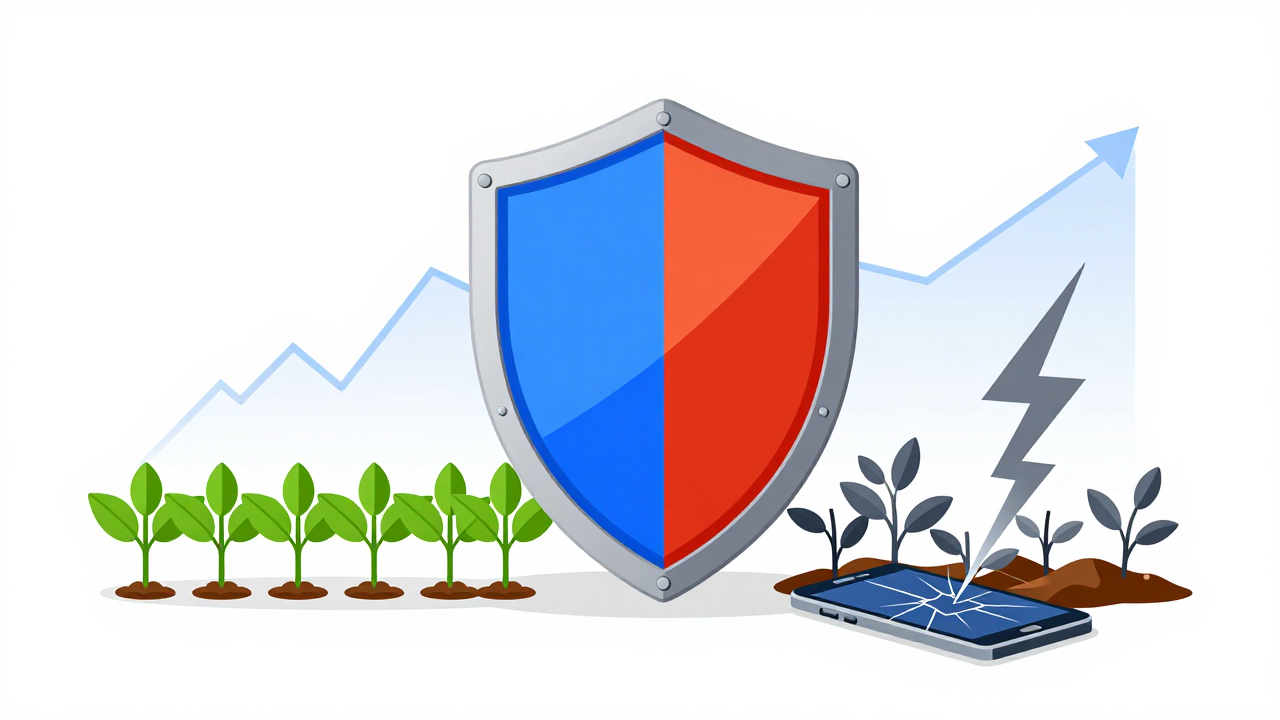
The industry consensus in 2026 is that a stable, usable Telegram account carries costs for number sourcing, maintenance, and risk-control overhead. If a provider's price sits below one-third of the market average, you're likely looking at recycled numbers or batch-registered "disposable accounts." These get banned fast—and they can drag your main accounts down with them.
Multiple cross-border operators report that the collateral ban risk from cheap numbers often doesn't surface until two weeks after registration—by which point you've already built out your communities, and the losses far outweigh whatever you saved on registration fees.
How to Actually Choose: A Practical Screening Framework
Skip the generic "five-step guide" nonsense. Here are three actionable rules:
- Test small before scaling. With any platform, buy 5–10 accounts and run them for a week. Track retention, ban rates, and support response. If the numbers hold up, scale from there. This is the safest strategy, period.
- Demand clarity on number sources and risk-control policies. If they dodge the question, walk away. In 2026, any provider still claiming "100% safe" is an automatic red flag.
- Check whether they offer environment guidance. Do they recommend dedicated IPs? Do they suggest device fingerprint isolation? These details determine how long your accounts actually live.
If you want a quick comparison, here's a simple reference table:
| Comparison Factor | Pure Number Pools | Warming Services Included | Full-Chain Compliance Providers |
|---|---|---|---|
| Cost Per Account | Low | Medium | Premium |
| First-Week Survival Rate | 30%–50% | 50%–70% | 70%–85% |
| Support Response | Unreliable | Average | Fast, dedicated contact |
| Best For | One-time verification | Small studios | Matrix operations, long-term projects |
Treat the table as a general guide—actual numbers vary by provider. But one thing is certain: in 2026, account quality is your asset in cross-border operations. Every dollar you save on verification services has a way of coming back as a ban notice, with interest.
One Last Thing From Someone Who's Been There
The Telegram verification platform industry has moved past its wild-growth phase by 2026. The providers still standing all have something to offer. But the gap between "usable" and "actually good" comes down to how deeply you understand risk control.
My advice remains the same: test small, let the data speak, then decide on a long-term partnership. Don't take anyone's word for it—including mine. The numbers you generate from your own testing are the only answer that truly counts.
If you're currently vetting providers, add platforms like Getfollow to your comparison list. But the final choice depends on your business context and budget. In cross-border trade, steady beats fast—every single time.
Frequently Asked Questions
What is the safest Telegram verification platform in 2026?
There's no universally "safest" option—it depends on your use case. Full-chain compliance providers like Getfollow tend to deliver the most consistent account quality, but they cost more. For low-stakes testing, a basic number-pool platform may be enough. Always run a small batch test before committing.
Why do my Telegram accounts get banned after using a verification service?
Bans usually trace back to three factors: poor number reputation (often recycled or flagged numbers), unnatural first-day behavior, and shared IP or device fingerprints. A good platform should address all three—not just deliver the code.
How much should I pay for a Telegram verification number in 2026?
Pricing varies widely by region and provider tier. If a price looks drastically below market average, treat it as a warning sign—cheap numbers are often recycled or disposable, and the collateral ban risk to your main accounts far outweighs the savings.
Can I use any phone number to register Telegram?
Technically yes, but the number's origin and history heavily influence your account's survival odds. Numbers from regions matching your target market, with clean histories, perform significantly better. Ask your provider about number sourcing before purchasing.