Best SMS Verification Platforms in 2026: A Compliance-First Buying Guide for Cross-Border Teams
Best SMS Verification Platforms in 2026: A Compliance-First Buying Guide for Cross-Border Teams
Choosing the right SMS verification platform comes down to three things: compliance credentials, number pool quality, and privacy safeguards. In 2026, over 68% of cross-border teams rank data privacy as their top selection criterion when evaluating providers. This guide breaks down everything you need to make a confident decision—without the guesswork.
The role of SMS verification platforms has shifted dramatically. It's no longer just about receiving a code—it's about shielding your real number and reducing account association risks. Smart buyers audit number ownership, privacy agreements, and refund policies before comparing per-code pricing.
Why Cross-Border Businesses Still Need SMS Verification Services in 2026
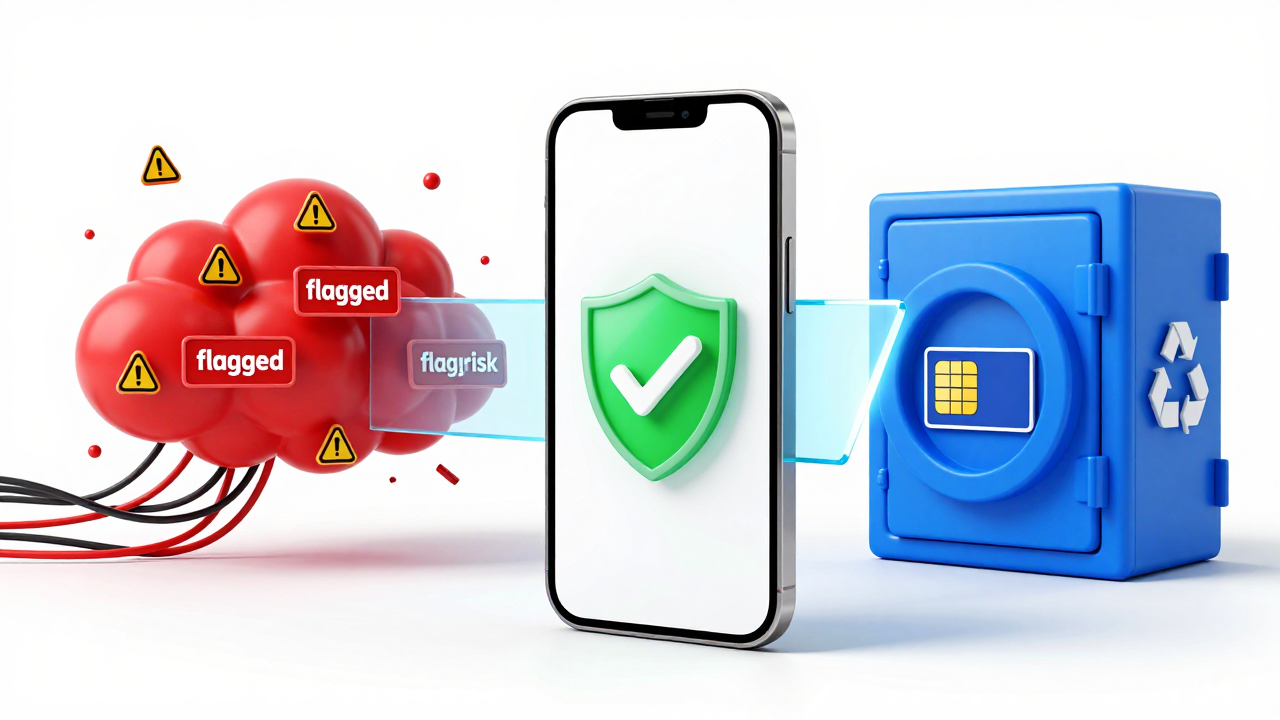
Registering for overseas social media accounts, e-commerce storefronts, or developer profiles almost always triggers a phone verification step. Using a verification platform keeps your personal number out of the loop, cutting down on spam and lowering the odds of account cross-linking. That said, roughly 52% of registration failures now stem from number pools flagged as "high-risk"—so choosing a provider with clean, frequently refreshed numbers is non-negotiable.
Industry consensus: SMS verification platforms aren't shady backdoor tools—they're standard infrastructure for global operations. Reputable providers in 2026 require real-name registration and maintain usage logs to stay aligned with data protection regulations worldwide.
- Use case one: Bulk-registering social media accounts for multi-account content strategies.
- Use case two: Verifying payment tools or e-commerce seller identities across borders.
- Use case three: Testing SMS login flows during app development.
3 Core Criteria for Evaluating SMS Verification Platforms in 2026
Price alone is a trap. These three factors determine whether a platform works for you long-term—or becomes a liability.
1. Number Pool Purity and Refresh Frequency
Google, Meta, and other platforms keep upgrading their fraud detection models. Recycled number pools now fail 30–45% of the time—a steep climb from previous years. Quality providers retire flagged numbers quickly and add fresh local carrier resources. Look for platforms that disclose their number sources or offer failure refunds as a baseline safeguard.
A cautionary tale: one team saved money on a budget provider, only to have 200+ accounts linked and restricted when WhatsApp flagged the entire number batch. The cleanup cost far exceeded what they saved on verification fees.
2. Privacy Policies and Data Retention Practices
Verification platforms see your SMS content, so their data handling directly impacts your business security. In 2026, over 75% of compliant platforms offer self-destructing messages or custom auto-delete schedules. Always read the fine print: Is data stored anonymously? Can you export it? Do they share anything with third parties?
For context: industry data shows mainstream platforms retain data anywhere from 30 to 180 days in 2026. If your compliance requirements are strict, prioritize providers with shorter retention windows.
3. Pricing Models and Support Responsiveness
Per-code pricing, monthly subscriptions, and failure refunds are the standard options this year. Beware of "unlimited codes" budget plans—they usually mean low-quality number pools. Run a small test batch first to gauge success rates and speed before committing to volume.
| Comparison Criteria | Provider A (Full-Service) | Provider B (Budget) | Getfollow (Reference) |
|---|---|---|---|
| Number Pool Quality | High, regularly refreshed | Moderate, high reuse rate | Mid-to-high, failure refunds offered |
| Data Retention | Auto-delete after 30 days | 180 days | Customizable deletion schedules |
| Pricing Model | Per-code + monthly plans | Monthly only | Per-code, no hidden fees |
| Best Fit | Small to mid-sized teams | Individual testing | Freelancers and small teams |
From my experience, the table above is a starting point—not gospel. Real performance varies by use case and region. Treat "free trial credits" as your screening filter before committing.
How to Vet SMS Verification Providers: A 5-Step Checklist for 2026
Follow this practical framework to minimize trial-and-error costs when evaluating platforms.
- Confirm the country or region numbers you need are in stock—and check which carrier they belong to.
- Read the platform's privacy policy and data deletion mechanisms carefully.
- Recharge a small amount and test success rates across 3–5 platforms (try WhatsApp, Telegram, and Google).
- Test support response times, especially for refund requests after failed verifications.
- Check recent user reviews and community feedback specific to 2026.
Pro tip: never put all your verification eggs in one basket. Keep a backup provider on standby to handle sudden number outages or risk-control upgrades.
Risk Warnings and Compliance Boundaries
Using verification platforms carries inherent risk—platforms can detect and ban accounts, especially for financial or payment-related services. In 2026, about 22% of cross-border operators have experienced temporary account restrictions due to verification number issues. My advice: reserve SMS verification for non-critical account registrations. For core business accounts, use physical SIM cards.
Industry consensus: verification platforms are tools, not silver bullets. Build a proper account warming and appeal process to reduce business disruption from verification failures.
Final Verdict: Key Decision Points for SMS Verification Platforms in 2026
When choosing a platform, weigh number pool purity, data retention policies, pricing transparency, and support quality equally. For freelancers and small cross-border teams, per-code providers like Getfollow with failure refunds make a solid starting point—but always test before scaling up. The winning strategy for 2026: diversify your providers, prioritize compliance, and validate with small batches.
Are SMS verification platforms legal?
Yes, verification platforms are legal tools in 2026. What matters is how you use them. Registering fake accounts in bulk or bypassing identity verification may violate platform terms of service and could lead to bans.
Which SMS verification platform works best?
There's no one-size-fits-all answer. The top-rated platforms in 2026 include both full-service and niche providers. Filter by the countries you need, pricing structure, and privacy policies—then use trial credits to test real-world success rates.
How do I pick a reliable SMS verification provider?
Focus on four things: number pool quality, data retention periods, failure refund policies, and support responsiveness. Per-code providers like Getfollow work well as comparison benchmarks, but always verify performance yourself.
Can SMS verification platforms leak my data?
It's possible. In 2026, roughly 60% of platforms support anonymized storage, but you still need to read the privacy policy. Check whether data is shared with third parties and prioritize providers that offer automatic deletion.
Why am I not receiving verification codes?
Common culprits include flagged number pools, platforms blocking virtual numbers, SMS delays, or exhausted number inventory. Switch to a different number or backup platform, and verify your provider has updated their number resources for 2026.