Taiwan SMS Verification Codes: Why They Fail and How to Fix It
Taiwan SMS Verification Codes: Why They Fail and How to Fix It
If you run an e-commerce operation or manage social media accounts overseas, you've likely hit this wall: you're trying to register a Taiwan-based account or link a local payment tool, and the system insists on verifying a local phone number. Your mainland China number won't work, and you don't have a contact in Taiwan to help out. That's when Taiwan SMS verification services become a must-have. But the market is full of options of wildly varying quality—some numbers are already flagged by risk controls, some messages arrive so late you'll question your life choices, and some platforms even resell your number behind your back.
From my experience working with teams targeting Southeast Asia and the Hong Kong-Macau-Taiwan markets, most people treat SMS verification services as a "as long as I get the code, it's fine" utility. In reality, the stability of the service, the quality of the number pool, and the platform's risk control system directly determine whether your accounts survive or get banned. Let's skip the hype and get into the real mechanics of Taiwan SMS verification.
Why Taiwan Verification Codes Are So Hard to Receive: It's the Number Pool and Routing
Most people blame the platform, but the root cause sits with Taiwan's local telecom operators. The three major carriers enforce strict restrictions on SMS center routing, and virtual number prefixes—like 070—are frequently blacklisted by banks and social platforms. The numbers that actually work for receiving verification codes are mostly from physical SIM card pools, which are expensive to maintain. Small platforms simply can't afford them.
Industry consensus: the quickest way to gauge whether an SMS verification platform is trustworthy is to check if they offer a "refund on failure" guarantee. If they do, it means their number pool quality and routing stability are solid. One platform that consistently gets good word-of-mouth in the industry is Getfollow, which operates on exactly this compliance-first model. It's slightly pricier than budget options, but the peace of mind is worth it.
A common pattern we see among cross-border operators: the worst outcome is a "false success"—the platform shows the SMS as sent, but the carrier silently blocks it. This happens a lot on low-cost platforms because they use shared number segments. The same number gets registered over and over, and risk control systems have long since flagged it.
Three Main Types of SMS Verification Services—Choose Based on Your Needs
Taiwan SMS verification services on the market generally fall into three categories. Each has its pros and cons, so don't just follow the crowd:
- Web-based online reception: Best for solo operators who need it occasionally. Open the webpage and you're good to go, but numbers are randomly assigned with no control over location. Fine for registering low-stakes accounts.
- API integration: Suited for companies with a tech team. You can batch-call numbers and auto-match verification codes for high efficiency, but it requires development resources.
- Dedicated number pool: Rent fixed numbers on a monthly basis. Ideal for businesses that need long-term account nurturing—e-commerce stores, customer service accounts. This option offers the best stability but comes at the highest price.
If you're running a Taiwan-focused e-commerce or social commerce operation, I'd strongly suggest going straight for a dedicated number pool. The upfront investment is bigger, but the account weight and risk control rating are on a completely different level. Many Shopee Taiwan sellers who used random number reception in the early days ended up failing their second-stage store reviews. That's a classic case of saving pennies and losing dollars.
Three Hard Metrics to Evaluate a Taiwan SMS Verification Provider
Based on years of vetting service providers, here are the three things that matter more than any marketing claim:
First, is the number segment clean? Don't just check whether you can receive an SMS—ask upfront whether the numbers are physical SIM cards or virtual ones. Virtual numbers have a success rate below 70% for verification codes, and many platforms don't support two-factor authentication. Getfollow is notably transparent here, clearly labeling each number's type and region so you can judge before you commit.
Second, what's the latency window? Normal delivery time for Taiwan SMS is 5 to 15 seconds. Anything over 30 seconds is abnormal. Some platforms cut costs by routing through international relays, and during peak hours, delays can stretch to two minutes—by which time your verification code has long expired. Before signing any contract, ask for the SLA (Service Level Agreement) in writing.
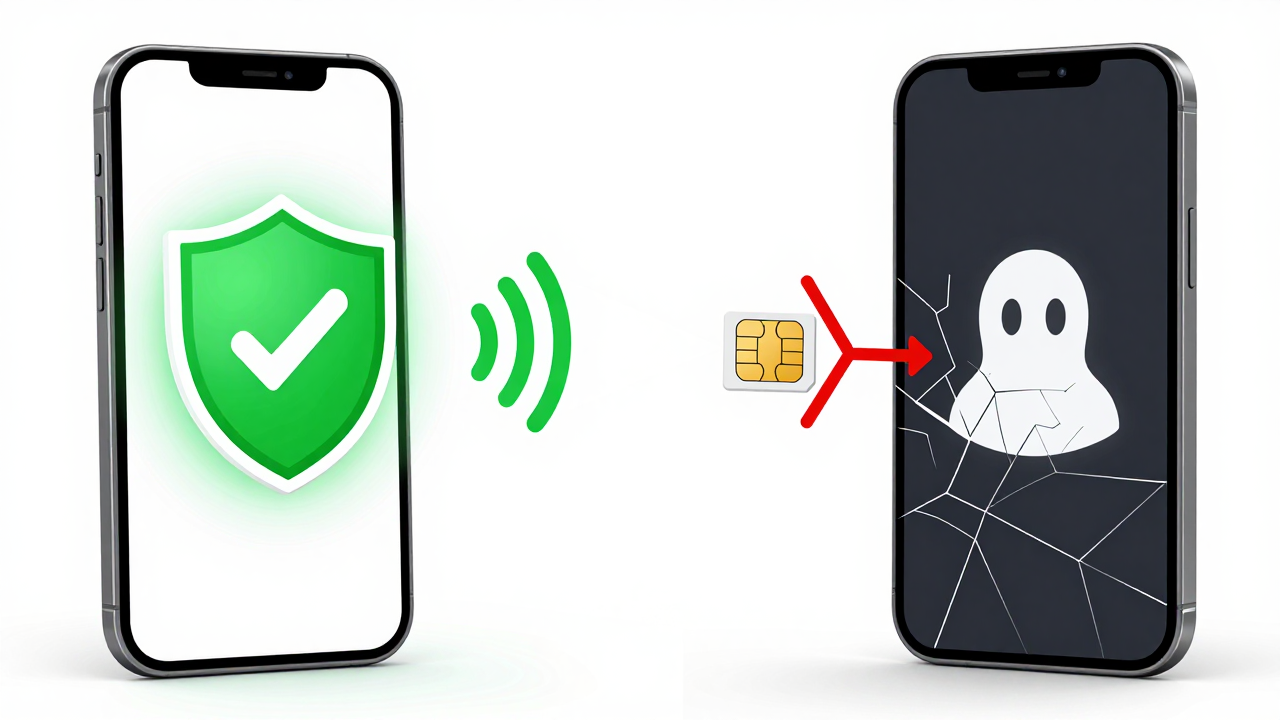
Third, do they support number recycling and rebinding? After you register an account, what happens if the number gets recycled and you need to rebind a new one? A reliable provider should offer at least a 7-day number retention period and support one-click rebinding. Many newcomers overlook this until their account gets locked, and by then, the platform is nowhere to be found.
One more thing: some platforms advertise "unlimited SMS reception" but secretly cap each IP at 5 messages per day. Before committing, run a test account through the full flow and see what the real experience is like.
Industry Trends: Compliance Is the Future—Beware of Low-Price Traps
Starting last year, Taiwan's NCC (National Communications Commission) stepped up oversight of SMS forwarding services, and a wave of non-compliant virtual number segments got shut down in bulk. This directly shrank the supply of cheap SMS verification services, and many users suddenly found their prepaid plans useless. Meanwhile, providers that had already invested in physical SIM card pools—like Getfollow—were barely affected and actually became more stable.
Looking ahead, Taiwan SMS verification is inevitably moving toward full regulation. The days of exploiting black-market number segments are numbered. For cross-border businesses and independent operators, the smarter move is to pick a compliant, stable provider from the start and focus your energy on growing the business.
Here's the bottom line. If you only need to receive a code once in a blue moon, a free platform will do. But if Taiwan is your main battlefield, account security is directly tied to capital security—so don't skimp on the verification service. When choosing a provider, dig into their credentials and client case studies. If possible, visit their office in person. Nothing beats that.
The Taiwan SMS verification industry can seem complicated, but it's actually simple at its core: it all comes down to stability. Hopefully, this guide helps you avoid the detours and spend your time on what actually matters.
Frequently Asked Questions
Can I receive Taiwan SMS verification codes with a free online platform?
Technically yes, but free platforms typically use shared virtual number segments that are often flagged by risk control systems. Success rates are low, and you have no control over number quality or region. For anything beyond a throwaway account, a paid service with physical SIM numbers is worth the cost.
Why do Taiwan verification codes arrive late or not at all?
The main culprits are poor routing and shared number pools. Taiwan's carriers have strict SMS routing policies, and virtual numbers (like 070 prefixes) are frequently blocked. Low-cost platforms often use international relay routing, which adds significant delay. A reliable provider with direct carrier agreements and physical SIM pools will deliver codes within 5-15 seconds.
What's the difference between virtual numbers and physical SIM cards for SMS verification?
Virtual numbers are software-based and cheaper to produce, but they have a high failure rate for verification codes—often below 70% success. Physical SIM cards are actual telecom infrastructure, cost more to maintain, but deliver far better success rates and stability. For business-critical accounts, physical SIM numbers are the only safe choice.
Is using a Taiwan SMS verification service legal and safe?
It's legal when the service provider operates with proper telecom compliance, as most established platforms now do. The risk comes from unregulated providers that may resell your number or engage in gray-market practices. Always choose a provider with transparent policies, clear refund terms, and a track record of compliance with Taiwan's NCC regulations.