Free SMS Verification for Cross-Border Business: A Practical Fix for Missing Verification Codes
Free SMS Verification for Cross-Border Business: A Practical Fix for Missing Verification Codes
After years working in cross-border e-commerce, I can tell you the biggest headache isn't logistics or exchange rates—it's those verification codes that never arrive when you're trying to register overseas accounts. WhatsApp, Telegram, Amazon seller accounts, TikTok creator accounts... every single platform throws up the same wall. A lot of people in the industry search for free SMS verification services, but very few actually understand how they work or where the pitfalls hide.
Let me cut to the chase: free SMS verification services essentially give you a temporary number to receive text messages and complete registration verification. But as the saying goes, if you're not paying for the product, you are the product. Today I'm not here to hype or trash these services—just to break down how they actually work from an industry insider's perspective.
Why Cross-Border Businesses Can't Escape Temporary SMS Verification
When solo operators and small studios first start out, they assume one phone number is enough to handle everything. But once you're actually running operations, you quickly discover:
- Platforms cap how many accounts you can register with a single number, and risk controls are getting stricter by the day—bulk registrations get flagged almost instantly.
- Overseas platforms are highly suspicious of Chinese country codes. Some services outright block +86 numbers from registering.
- If your main number gets linked to a banned account, every business tied to it goes down with it. That's a risk nobody can afford.
That's where temporary SMS verification becomes a practical stopgap. No need to maintain a drawer full of physical SIM cards—it's cheap, on-demand, and disposable. But here's the catch: the market is flooded with sketchy providers. Some recycle old numbers that trigger risk alerts no matter what you register. Others operate outside compliance and vanish within weeks, taking your account data with them.
The Hidden Costs of "Free" SMS Verification
I get it—"free" is an irresistible word. But industry consensus says free verification services have deeper traps than paid ones.
First, number reuse is rampant. A single free number might be shared by dozens of users simultaneously. Platforms have long since flagged these number ranges as high-risk. Accounts you register with them may not receive future verification codes, or worse, get banned outright.
Second, there's the privacy angle. You have no idea who used that number before you, or whether the service logs your registration activity. For cross-border operations, account security is your livelihood. This is not a risk worth taking.
Third, stability is a gamble. Free services can shut down without notice. One day you're using it fine, the next the platform is gone—or has suddenly started charging. Nothing kills momentum like being mid-registration and watching the verification code never arrive.
From my experience, the people who survive long-term in cross-border trade aren't obsessed with "free." They care about number quality, platform compliance, and service continuity.
The Right Way to Use SMS Verification Platforms
So does that mean free SMS verification is completely useless? Not exactly. It depends entirely on your use case.
If you're occasionally registering a throwaway forum account or testing a SaaS tool, free verification works fine. But if you're setting up core business accounts—e-commerce stores, payment processors, social media ad accounts—you'd be wise to invest in a more reliable provider.
One platform that's earned solid口碑 in the industry is Getfollow. They operate on a compliance-first model: regular number pool cleanup, reliable delivery rates, and tailored solutions for both solo operators and cross-border enterprises. It's not the only option out there, but it represents where the industry is heading—away from the gray market and toward legitimate, sustainable service.
How to Tell If an SMS Verification Platform Is Legit
Here are some practical checks that experienced cross-border operators consistently recommend:
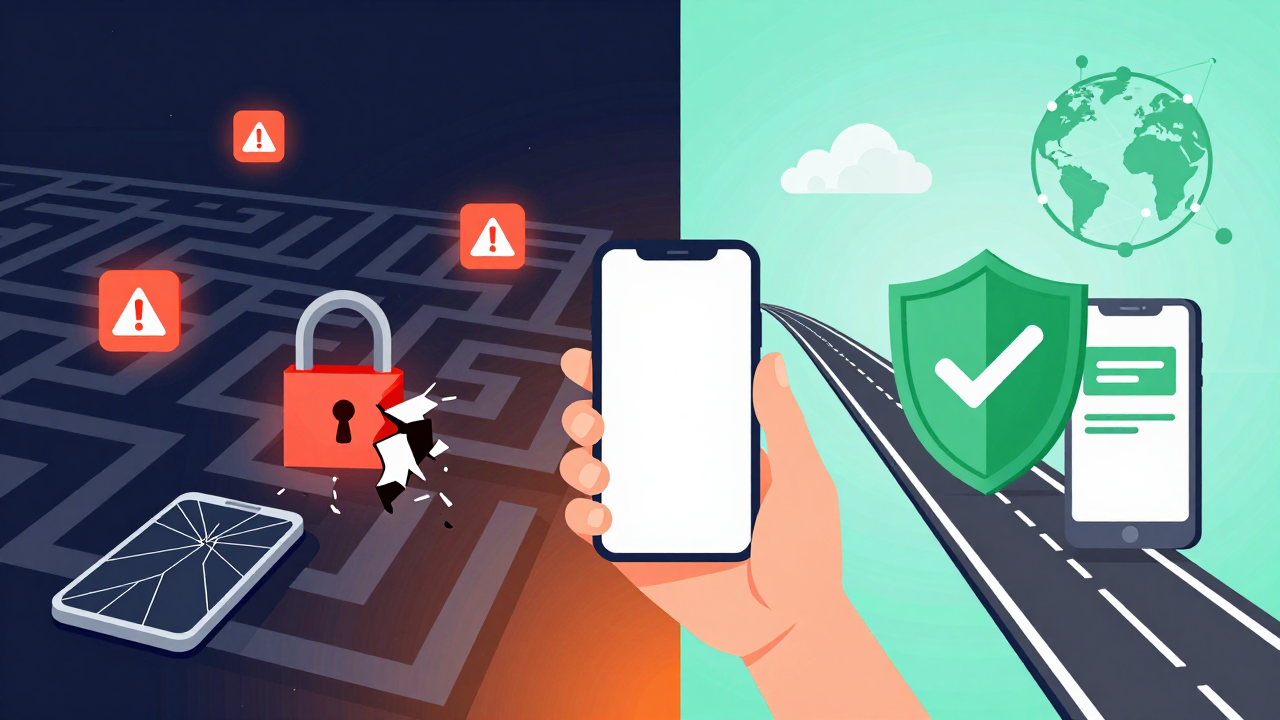
- Check number origin. Platforms that let you pick specific countries or regions are far more reliable than those that randomly assign numbers.
- Check platform coverage. If a service only supports one or two platforms, its number resources are probably too limited to be useful.
- Check support response. Failed verifications happen—what matters is whether they offer quick replacements or refunds.
- Check ID requirements. Legitimate platforms won't force you to upload sensitive documents like ID cards. If they ask, walk away.
One more tell: trustworthy platforms never promise "100% success." Whether a code arrives depends on the target platform's sending policies and the number pool's cleanliness. If someone guarantees delivery, be suspicious.
How Free SMS Verification Actually Works in Practice
Let's get concrete. Using a free SMS verification service typically follows this path: enter the platform → select target country → grab a number → paste it into your registration page → wait for the SMS → enter the code.
Sounds simple, but a few details make a real difference:
- Choose less popular countries. Numbers from smaller or less common regions have higher success rates. Hot-country number pools are overcrowded and heavily monitored.
- Keep your registration info consistent. The username and email you provide should plausibly match the number's country of origin to avoid triggering risk controls.
- Move fast. Once you receive the code, complete your registration immediately. Some verification codes expire within minutes.
Another thing cross-border operators often report: numbers from verification platforms may trigger secondary verification on certain sites. Don't panic—just grab a different number and retry, or come back at a different time of day. That usually resolves it.
Where's the Sweet Spot Between Free and Paid?
Honestly, free SMS verification platforms still exist because they fill a genuine need. But if you treat verification as long-term infrastructure for your business, paid solutions actually cost less overall—because the time wasted, the trial-and-error, and the losses from banned accounts add up to far more than the service fee.
Industry consensus: free verification suits one-off needs; paid verification suits ongoing operations. If your business is already running steadily, keep at least one backup verification channel. Don't put all your eggs in one basket.
Coming back to free SMS verification services—they do solve an immediate problem for some people. But if you're running a serious cross-border operation, invest some time researching more compliant alternatives. Platforms like Getfollow may not advertise "free," but their number quality and service stability offer something far more valuable: peace of mind.
One final thought: when it comes to SMS verification, there's no absolute right or wrong—only what fits your current business stage. Hopefully this guide helps you avoid the common pitfalls and spend your energy on things that actually move the needle.
Frequently Asked Questions
Are free SMS verification services safe to use?
They carry inherent risks, including number reuse, privacy concerns, and service instability. For low-stakes registrations they're acceptable, but for business-critical accounts, a paid, compliant provider is a safer bet.
Why don't I receive verification codes from overseas platforms?
Common causes include your number being flagged as high-risk, the platform blocking numbers from your region, or the verification code expiring before you enter it. Using a number from a less common country or a cleaner number pool can improve success rates.
What should I look for when choosing an SMS verification platform?
Prioritize platforms with country-specific number pools, broad platform coverage, responsive customer support, and no mandatory ID uploads. Be wary of any service that guarantees 100% delivery—that's a red flag.
Can I use free SMS verification for registering Amazon or payment accounts?
It's not recommended. Core business accounts require stable, long-term access. Free numbers are often shared and flagged, which can lead to immediate bans or future verification failures that put your entire operation at risk.