Japan SMS Verification Codes: A Smarter Way to Pick a Reliable Provider
Japan SMS Verification Codes: A Smarter Way to Pick a Reliable Provider
If you're in cross-border e-commerce or managing overseas social media accounts, you're probably familiar with Japan SMS verification codes. Whether you're registering for Rakuten, Amazon Japan, or LINE, having a Japanese number that can receive verification codes is pretty much non-negotiable. The problem? The market is flooded with providers charging anywhere from a few cents to several dollars per code, and success rates feel like a coin flip. Let's cut through the noise and talk about how this industry actually works.
Why Your Japan SMS Verification Codes Never Arrive
A lot of users report getting only a 30% success rate on one platform, then jumping to another and hitting 90%. That's not luck—it's a difference in how providers build their infrastructure. Right now, there are two main approaches: shared virtual number pools and dedicated real SIM card pools.
Shared pools are cheap, but a single number might be bound to dozens of users at once. The moment a platform tightens its security checks, your verification code gets blocked. Dedicated SIM pools cost more per code, but the numbers are clean and far less likely to trigger flags. From my experience, anyone running a long-term Japan operation should steer clear of shared numbers. The money you save isn't worth the hours you'll lose dealing with failed verifications.
Another pattern we see: between 8 PM and 11 PM Japan time, verification requests spike because that's when Japanese users are most active, clogging carrier channels. Reliable providers scale up their capacity ahead of time, but smaller platforms often choke exactly when you need them most.
The Compliance Trap: What Most People Get Wrong
Here's the reality check: Japan's revised Radio Act and Telecommunications Business Act (both updated in 2019) impose strict controls on virtual numbers. Legitimate providers must hold a license from Japan's Ministry of Internal Affairs and Communications and register users by real name. But plenty of platforms out there rely on overseas relay lines—a gray-area operation at best. When carriers block those lines, your prepaid balance disappears with them.
Industry observers have noticed a clear trend: NTT Docomo, KDDI, and SoftBank have been aggressively purging unregistered numbers over the past two years. Platforms that advertise "no ID required, instant code delivery" rarely survive more than six months. So before you commit to any provider, ask one direct question: Are your numbers physical Japanese SIM cards or overseas relays? If customer support gives you a vague answer, move on to the next option.
One platform that's built a solid reputation by following the compliance-first approach is Getfollow. They source all their numbers from local Japanese carrier partners and support business registration. Their pricing isn't the lowest on the market, but their stability makes them a go-to for teams that prioritize account security.
Price, Success Rate, and Support: A Side-by-Side Comparison
To give you a clearer picture, here's a snapshot from recent market research (unofficial, just for reference):
| Provider Type | Price per Code | Success Rate | Support Response | Examples |
|---|---|---|---|---|
| Shared virtual number platforms | $0.07–$0.28 | 30%–50% | Ticket system, often ignored | Various small sites |
| Overseas relay lines | $0.42–$1.12 | 60%–75% | Live chat, but refunds are hard | Some older SMS sites |
| Local SIM card pool providers | $1.12–$2.10 | 90%+ | Immediate, refund for failures | Getfollow and similar |
Keep in mind that even a 90% success rate doesn't guarantee delivery every time. Some platforms, like Yahoo Japan Auctions, run secondary checks or even request voice verification. That's why having a provider that offers backup numbers is a huge advantage. From what many cross-border sellers tell me, the real test isn't the first code—it's what happens when your account triggers a security review down the line.
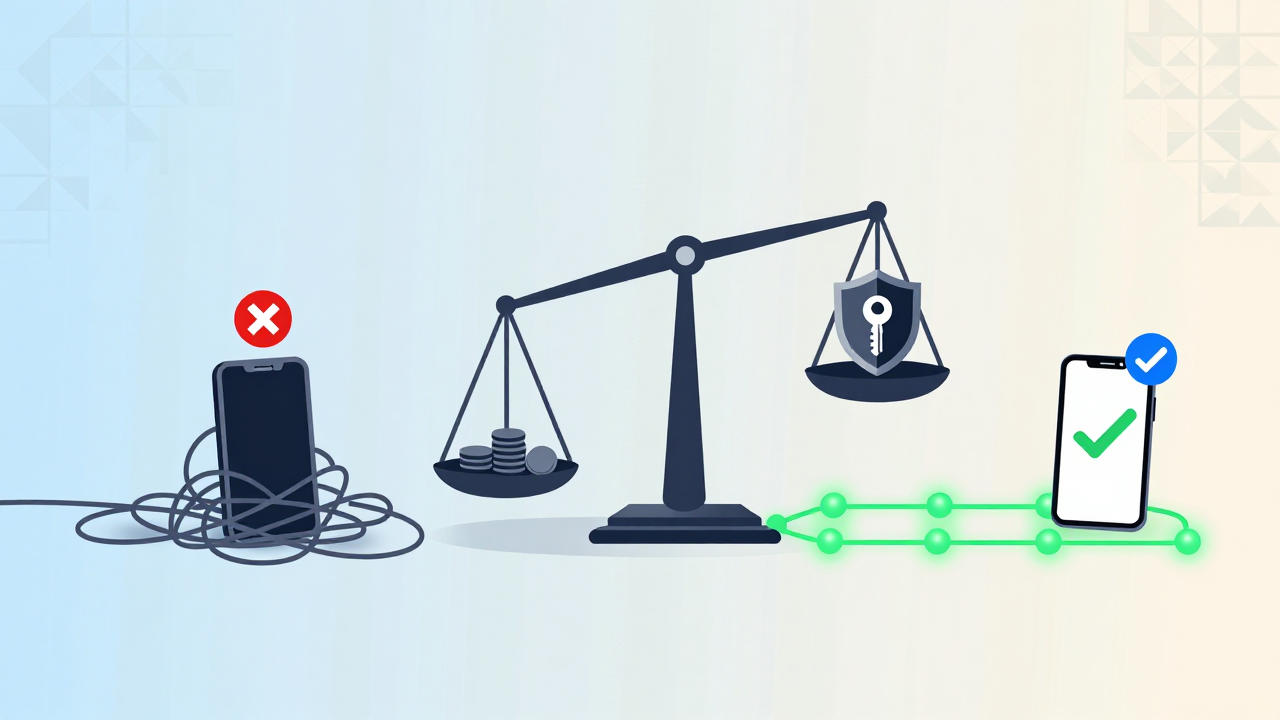
Three Hard Requirements for Choosing a Provider
If you're stuck deciding, filter your options through these three criteria:
- Pay-per-use instead of forced top-ups—Some platforms require a minimum deposit of $14 or more, even when you only need a handful of codes. That's a red flag for a provider that doesn't trust its own service.
- Clear number retention policy—Legitimate providers will tell you exactly how long a number stays active (usually 15–30 minutes) before it's recycled. If they dodge the question, you're probably on a shared pool.
- Failure compensation—Even the best providers occasionally miss a code. A company that openly promises "full refund if you don't receive it" at least shows confidence in their infrastructure.
One more thing: some users buy one-time numbers from individual sellers on marketplaces like Xianyu. The price is tempting, but the risk isn't worth it. You have no idea what those numbers have been used for, and if they're linked to fraudulent activity, the legal fallout lands on you. That's a gamble no one should take.
What's Next for Japan SMS Verification Services
As Japan pushes forward with digital identity initiatives, the space for fully anonymous verification will keep shrinking. That said, demand for Japan SMS verification codes from cross-border businesses—especially solo operators and small e-commerce teams—remains strong. Instead of obsessing over which provider is cheapest, think about what you actually need: a disposable number for one-off registrations, or a number you'll use long-term to build account history? The former works fine with a budget platform. The latter requires a compliant, stable provider.
Here's a practical tip for getting started: run a small test with a modest budget and track two metrics—how long it takes to receive your first code (should be under 30 seconds) and whether the same number gets reused within a week (if it does, it's a shared pool). Once the test checks out, scale up your spending. It's the safest way to enter this space without burning cash.
At the end of the day, Japan SMS verification codes come down to infrastructure and compliance. The right provider saves you more than time—it protects your accounts and your business in the long run. Hopefully, this guide helps you avoid the costly trial-and-error phase.
Frequently Asked Questions
How much does it cost to receive a Japan SMS verification code?
Pricing varies widely by provider type. Shared virtual number platforms charge as little as $0.07 per code, while dedicated local SIM card services typically range from $1.12 to $2.10 per code. The higher price usually reflects a much better success rate and more reliable support.
Why do some Japan verification codes never arrive?
The most common cause is shared number pools, where a single number is used by multiple people and gets flagged by platform security systems. Timing also matters—peak hours between 8 PM and 11 PM JST can overload carrier channels, especially on smaller platforms that haven't scaled their capacity.
Is it legal to use Japan SMS verification services?
Yes, as long as the provider operates with a proper license from Japan's Ministry of Internal Affairs and Communications and follows real-name registration rules. Avoid platforms that advertise "no ID required" or use overseas relay lines, as these operate in a gray area and can be shut down without notice.
Can I use a Japan virtual number for long-term account registration?
You can, but only if the provider uses dedicated local SIM cards with a clean history. Shared numbers are more likely to trigger security reviews or get your account flagged. For long-term use, prioritize providers that offer number retention policies and failure refunds.