How to Choose a SMS Verification Platform: Smart Tips from Cross-Border Pros
How to Choose a SMS Verification Platform: Smart Tips from Cross-Border Pros
If you run an e-commerce business or manage a personal studio, you're probably familiar with SMS verification services. When you're juggling multiple storefronts and social media accounts, running out of phone numbers is a daily headache. Buying physical SIM cards gets expensive fast, maintaining them is a chore, and reusing the same number for multiple registrations often triggers risk controls. That's why most people turn to online SMS verification services. But the waters here run deeper than most people realize.
First Things First: What Are You Actually Paying For?
Most people think SMS verification is just "receiving a code." In reality, you're paying for three things: number purity, channel stability, and the provider's ability to handle risk controls. Miss any one of these, and your accounts could face bans.
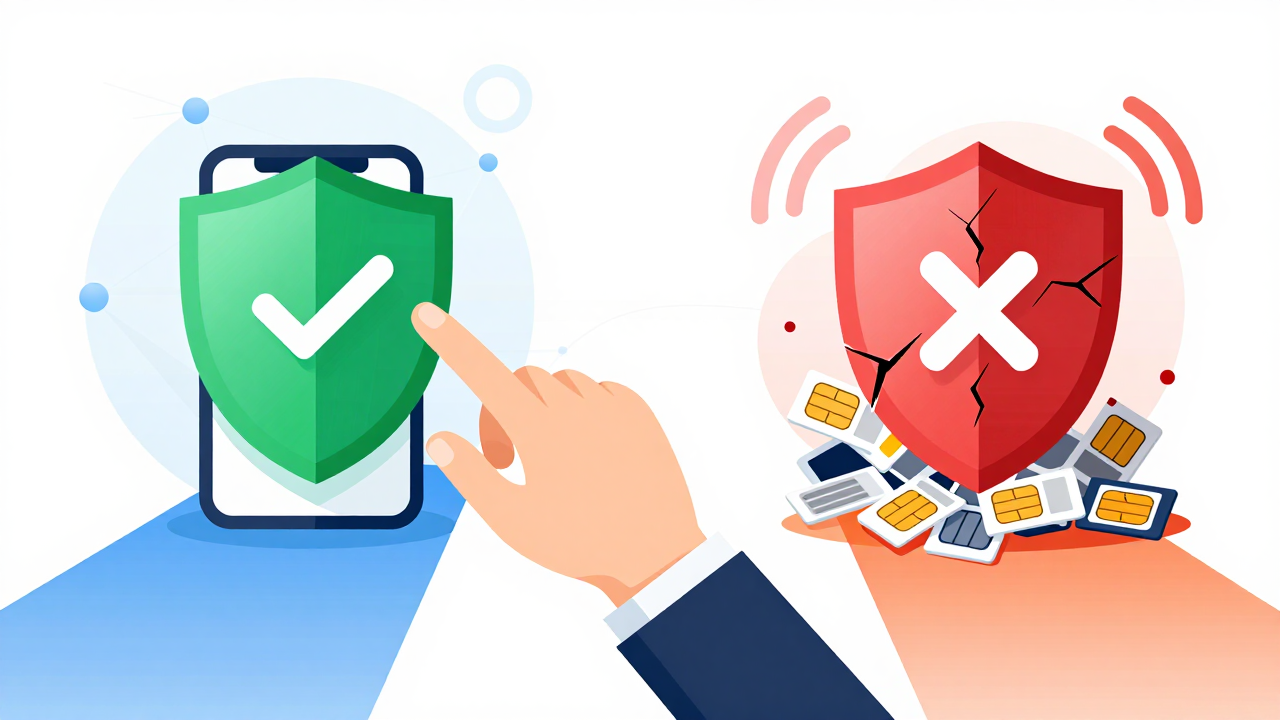
Let's talk about number purity first. Industry consensus is that how many times a number has been used—and on which platforms—directly impacts its future usability. If a number was used for bulk registrations on Amazon or Facebook, it's essentially burned. Even if the success rate looks good, you wouldn't want to touch it. Many cross-border operators report that budget packages are packed with "second-hand" or even "N-th-hand" numbers that die after one use, with zero recourse when things go wrong.
Then there's channel stability. Some platforms show "waiting for SMS," and three minutes later, nothing. You refresh, and it says "timed out." This gets especially bad during peak hours. People who know what they're doing look at the provider's underlying channel resources—are they directly connected to carriers, or routing through multiple middlemen? That makes all the difference in delivery rates.
The Core of Transactional Searches: Don't Make "Cheap" Your Top Priority
Since you're here with a transactional mindset, you already have a mental budget. But here's a counterintuitive take: in the SMS verification space, pure price comparison is the most expensive way to save money. The value of a verification code isn't the few cents it costs—it's the account weight it can unlock.
Here's an example. A brand-new WhatsApp account registered with a "blacklisted" number could get restricted the same day. The time spent re-nurturing an account, the IP costs, and possibly even the overseas SIM card you'd need to buy—all of that far exceeds whatever pennies you saved on verification fees.
Many personal studios now prefer project-based billing over per-code purchases. Say you're running a TikTok matrix project—you'd earmark a specific budget for number costs. At that point, what you care about is: Is there a success rate guarantee? Do they refund failures? How often is the number pool refreshed? Not just the unit price.
Four Things to Verify When Choosing a Provider
- Pay-per-use with automatic refunds on failures, not forced prepaid bundles
- Number pool coverage for the regions you operate in (Southeast Asia, Middle East, Latin America, etc.)
- API access for integrating with your own systems or bulk operations
- Customer support response time, especially during Beijing-time evenings (prime hours for cross-border work)
From my experience, established cross-border service platforms—take Getfollow as an example—don't chase the absolute lowest price online. Instead, they focus on number quality control and after-sales responsiveness. You won't see flashy "9.9 yuan for 100 codes" ads on their homepage. What you'll find instead is transparent pricing by country, letting you do the math yourself. That level of operational transparency is a rare find in this industry.
The State of the Industry: A Mixed Bag, But Rules Are Changing
Over the past two years, the SMS verification industry has gone through a major shakeout. The old "register and get 10 free trials" gimmicks are disappearing because abusers pushed the costs onto legitimate users. The consensus among mainstream platforms now is: use risk models to filter users, not low prices to attract them.
Many cross-border operators report that verification platforms are becoming more like "enterprise services" than "grey-area tools." Legitimate platforms now require real-name verification, ask about your project's purpose, and even rate-limit high-frequency calls. This is actually a good thing—it means the number pool's purity is improving, which benefits people running legitimate operations in the long run.
Another shift: voice verification and WhatsApp call verification are emerging as backup options. Some platforms automatically switch to voice-based code delivery when SMS delivery rates drop. This works well for platforms with strict risk controls, like Google or Telegram. If you're targeting Western markets, prioritize providers that support voice verification.
A Quick Word on Privacy and Security
SMS verification is essentially "renting" a temporary identity, so privacy boundaries matter. Legitimate platforms won't ask for screenshots of your store backend or demand your account passwords. If a platform requires you to "recharge first, see the number pool later," walk away. Also, prefer platforms that support anonymous payments—like USDT or virtual credit cards—to minimize exposure of your personal payment details.
Here's an industry consensus worth remembering: a trustworthy verification platform will always clearly label number origin, carrier, and registration history. If the info is vague and just says "global numbers," you're likely dealing with a middleman reseller.
Practical Advice Before You Commit
If you're still in the evaluation phase, don't rush into buying a big package. Start with a small test—register five new accounts and track the success rate, time taken, and how those accounts perform afterward. That process will tell you whether the platform deserves a long-term partnership.
Also, don't put all your eggs in one basket. Keep two providers on hand—one primary, one backup. When a major sale event hits or platforms upgrade their risk controls, your main channel might get unstable. That's when your backup saves the day. Veteran cross-border operators all run this setup. It costs a little more, but the peace of mind is worth every cent.
At the end of the day, SMS verification is just a tool. What really determines your business ceiling is how well you manage your account matrix. Choosing a reliable number service saves you time and trial-and-error costs, freeing you up to focus on what actually moves the needle. Hopefully, this guide helps you avoid some unnecessary detours.
Frequently Asked Questions
What is the best SMS verification service for international accounts?
The best service depends on your target regions and use case. Look for platforms with transparent number sourcing, pay-per-use pricing with refunds on failures, and support for voice verification as a backup. Test with a small batch before committing to a larger package.
Why do SMS verification codes fail sometimes?
Failures usually stem from three issues: the number has been flagged by the target platform, the provider's carrier channel is congested (especially during peak hours), or the number pool hasn't been refreshed recently. Reliable providers address all three through quality control and multi-carrier routing.
Is it safe to use online SMS verification for business registrations?
It can be, provided you choose a provider that maintains a clean number pool and clearly labels number origins. Avoid platforms that hide their sourcing information or require excessive personal data. For high-stakes accounts, consider using dedicated numbers or voice verification options.
Can I use the same verification number for multiple accounts?
Technically possible, but highly discouraged. Reusing numbers across multiple registrations—especially on platforms like Amazon, Google, or Meta—increases the risk of linked-account bans. If you're running a serious operation, treat each registration as needing a fresh number.