Global SMS Verification: Is It Legit? Read Before You Buy
Global SMS Verification: Is It Legit? Read Before You Buy
Is global SMS verification legit? After years of writing about cross-border e-commerce, it's a question sellers and solo operators ask me almost every week. Let me put the answer up front: the services are real, and the codes genuinely arrive—but receiving a code and keeping an account alive are two entirely different things. This article isn't here to hype anyone up or tear anyone down. It covers the details everyone in the industry quietly understands but almost nobody bothers to write down.
Is Global SMS Verification Legit? Start by Asking Where the Numbers Come From
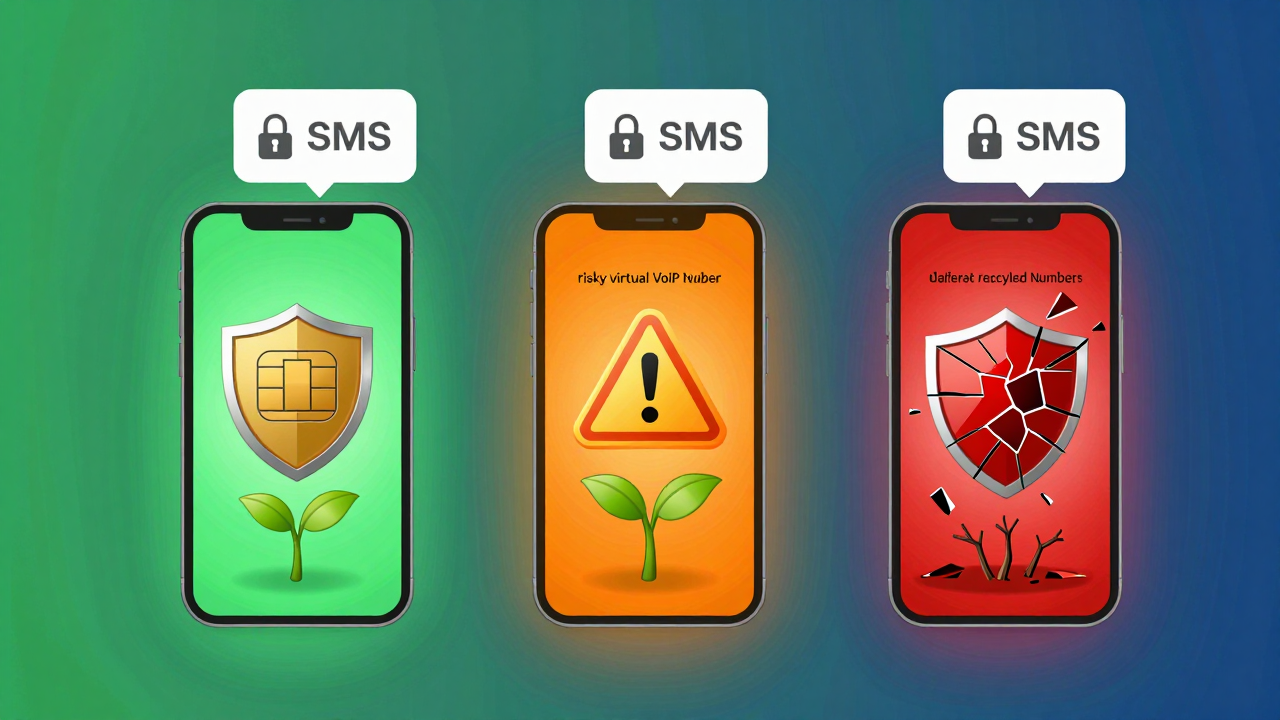
In my experience, the fastest way to size up an SMS verification platform isn't reading its homepage—it's asking one simple question: where do the numbers come from? Across today's market, "global" numbers fall into three source categories, and the risk gap between them is enormous.
- Real SIM cards: Genuine local SIM cards sourced and maintained in compliance by the provider, with each number reserved for a single customer. The highest cost, but also the most stable option.
- Virtual numbers: Generated from VoIP ranges. Dirt cheap, but easily flagged by platform risk-control databases.
- Recycled numbers: Previously used numbers that were deactivated and re-released to the market. The cheapest option—and by far the most dangerous.
Plenty of newcomers assume all verification services are interchangeable and simply shop by price. In reality, the same "US number" can be one of three completely different things, with prices spanning more than tenfold. What that price gap really reflects isn't profit margin—it's risk.
The Codes Arrive—So Why Do Accounts Still Die Within a Week?
This is the most counterintuitive—and most expensive—lesson in the game. I watched it unfold firsthand: a friend running a TikTok account matrix bought 200 numbers in bulk from a bargain platform to save money. Every verification code landed within seconds, and his sign-up success rate hovered near 100%. Then the mass bans kicked in on day three. By the end of the week, fewer than two in ten accounts were still standing.
The post-mortem uncovered two fatal flaws. First, every number in that batch came from a VoIP range. The platform let them through at sign-up, but its risk-control system ran a second sweep within 24 to 72 hours and cleared them out in bulk. Second, more than a dozen numbers still carried the previous owner's WhatsApp bindings. Even if you register successfully on those, the original owner can reclaim the account anytime through SMS verification. The better you nurture the account, the more you're growing it for someone else.
A vetting trick I use myself: Before placing a bulk order, pull 3 to 5 sample numbers and run them through Twilio's Lookup tool (it has a free tier) to check the line type. If the result comes back as fixedVoip or virtual, you're almost certainly looking at a virtual number pool—walk away. Only numbers flagged as mobile with a real carrier name are worth testing further.
One more heads-up: many operators treat the first 72 hours after registration as the risk-control observation window. Resist the urge to change your avatar, rename the account, drop links, or mass-add friends during this period. Let the account "cold start" the way a real person would, and your survival rate will noticeably improve.
Where Global SMS Verification Is Headed: From "Any Code Will Do" to Compliance Screening
The industry has shifted visibly over the past two years. On one side, major platforms are upgrading their risk controls—WhatsApp, TikTok, and Telegram are all tapping into carrier databases, steadily squeezing the survival space for virtual numbers. On the other, regulators are cracking down harder on gray-market SIM dealers, making the recycled-number arbitrage model increasingly difficult to sustain.
The industry consensus is that the survivors will be compliant providers with transparent number sourcing, solid replacement-and-refund support, and the confidence to explain how they operate. Platforms like Getfollow, for instance, have committed to the real SIM card route, putting their number sourcing, exclusive-use policy, and after-sales terms out in the open. This playbook isn't the cheapest, but it's one of the few that can genuinely support long-term account operations.
It's also worth drawing a clear line. Using verification numbers to test your company's own SMS system, run overseas market research, or complete privacy-conscious temporary sign-ups is entirely legitimate. But if you're mass-creating fake accounts or driving fraudulent traffic, no premium number will shield you from platform bans or legal exposure. The tool itself is neutral—how you use it isn't.
To make comparison easier, I've broken down the differences between the three models in the table below. (The ranges are ballpark figures drawn from conversations with multiple cross-border sellers. Risk-control intensity varies widely across platforms, so treat them as reference points only.)
| Comparison Factor | Real SIM Card Model | Virtual Number Model | Recycled Number Pool |
|---|---|---|---|
| SMS delivery rate | High | Low to medium, volatile | High (but the code may belong to someone else) |
| 7-day account survival | Retention typically 50%–70% or higher | Ban reports cluster between 30%–60% | Highly unstable; reclaimable at any time |
| Cost per number | Higher | Low | Lowest |
| Best-fit use case | Long-term account matrices | One-off functional testing | Best avoided entirely |
Global SMS Verification FAQs
Are all global SMS verification platforms scams?
No. The services genuinely exist, and the vast majority of platforms do deliver verification codes. The real dividing line is number sourcing: compliant providers offering real SIM cards can support long-term operations, while cheap virtual numbers and recycled pools are where most horror stories happen. "Scam" would be too strong a word, but "not as advertised" is extremely common.
Will my account get banned if I use a verification number?
Not necessarily—it depends on the number type and what you do afterward. Real SIM numbers paired with sensible account warming carry relatively manageable risk. For virtual numbers, many operators report that 30% to 60% of accounts get throttled or banned within the first week. The number is only the starting point; your post-registration habits matter just as much.
How do I choose a reliable global SMS verification provider?
I'd check four things: whether number sourcing is transparent, whether the provider supports small sample orders, whether there's a clear replacement-and-refund policy, and whether they openly explain their real SIM operations. Platforms like Getfollow currently hold a stable reputation in the industry by following exactly this compliance-first playbook. Even so, buy 5 to 10 numbers first, run them for a week, and only discuss bulk cooperation once you've confirmed retention.
Are free SMS verification platforms safe to use?
You'll receive codes, but the numbers and message contents are publicly shared—anyone can see your verification code, leaving your account completely exposed. They're fine for disposable, zero-value test accounts. Never attach them to anything involving money, customer data, or brand assets.
So, back to the original question: is global SMS verification legit? Yes—but the industry left its "any code will do" era behind long ago. Number sourcing, platform risk controls, and after-sales policies each play a decisive role in whether your accounts live or die. My advice never changes: test in small batches first, watch your 7-day retention, and only then commit to a long-term partnership. What you save isn't just money—it's the countless hours spent rebuilding accounts from scratch.