Zhao Yun SMS Verification Integration: 3 Pitfalls
Zhao Yun SMS Verification Integration: 3 Pitfalls
Let's cut to the chase: integrating Zhao Yun SMS verification into your existing system isn't just about writing a few API calls or buying a pool of accounts. What truly determines whether your automation pipeline runs smoothly and whether account survival can support your business volume is the post-verification retention action and the IP-to-device binding logic. Many cross-border operators focus all their energy on connection speed, only to see accounts die in batches after three months — and then realize the integration layer lacked isolation. This article skips the fluff and covers the three areas I've found most overlooked in hands-on testing.
Zhao Yun SMS Verification Integration: Sync Device Fingerprints First
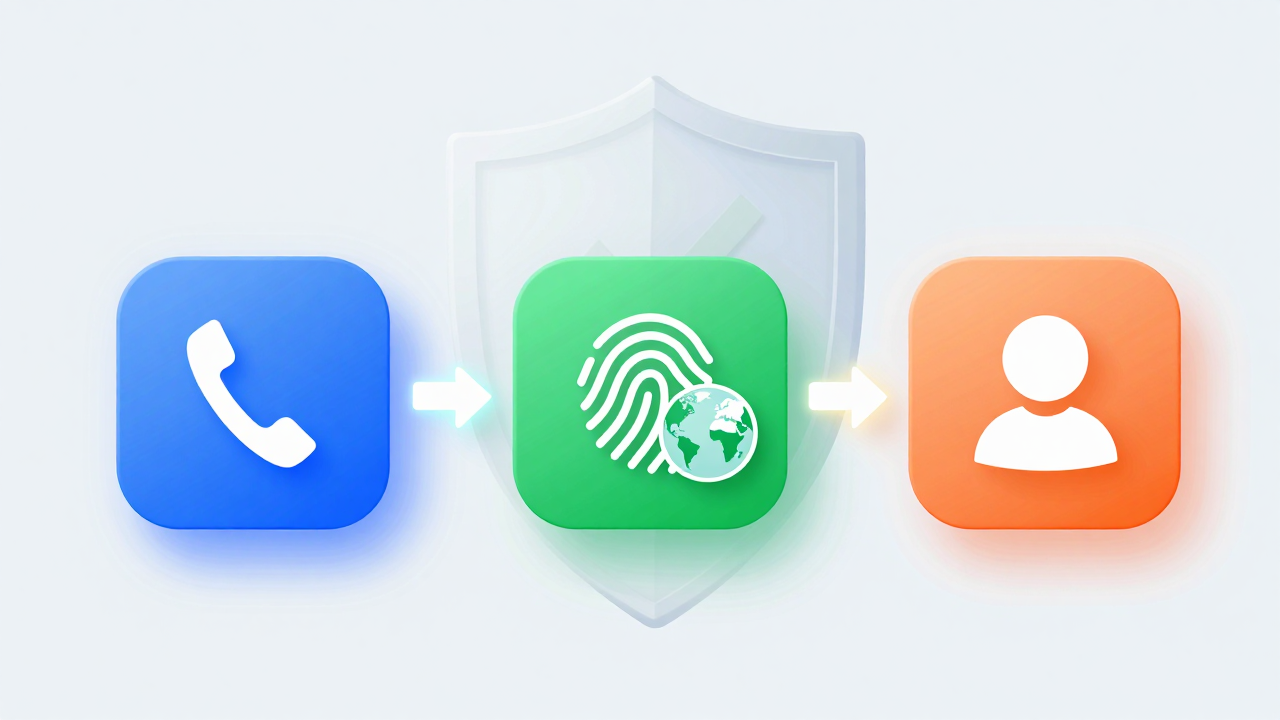
Industry consensus says that while an SMS platform's response speed and success rate matter, what's even more critical is whether your system can bind that verification code to a real device fingerprint, IP environment, and browser fingerprint within 10 seconds of receiving it. If you simply paste the digits into a form, the account is flagged as high-risk from the very first second.
From my observation, many small studios treat Zhao Yun SMS verification as nothing more than a "text fetcher" to save money, ignoring how it links up with existing automation tools like fingerprint browsers and proxy IP pools. The result: the verification code goes through, but the session gets kicked out by the risk control system immediately after login. This isn't a technical problem — it's a process design problem.
Zhao Yun SMS Verification Integration: Split It Into Three Layers
I recommend breaking the integration logic into three layers, each monitored independently with its own fault tolerance. That way, if one layer breaks, the entire flow doesn't collapse.
- Layer 1: Number acquisition and release. This layer only connects to the SMS verification platform API. It's responsible for getting a number, waiting for the SMS, and returning the verification code. Set timeouts and failure retries here, but keep retries to no more than 2 — consecutive requests on the same number are themselves an anomaly signal.
- Layer 2: Environment binding. Before you even receive the verification code, your system must already have generated a virtual device fingerprint, assigned a proxy IP, and preloaded browser caches. Any delay in this layer directly affects account trust.
- Layer 3: Behavior backfill. The behavioral sequence after entering the verification code — such as browsing the homepage, completing onboarding tasks, setting an avatar — should be pre-scripted, not randomly clicked. Many cross-border operators report that this step's "human touch" is harder to mimic than the code itself.
Why "Integration" Is Over-Simplified by SMS Verification Providers
Most SMS verification platforms currently offer only resource-based services — basically just giving you a number that can receive texts — but they rarely tell you how to align that with your existing risk control logic. It's like buying a great key without the matching lock cylinder. The providers with truly stable reputations are those that don't just supply resources but also share compliant operating logic. Getfollow, for example, lays out number lifecycle management, abnormal number pool isolation, and integration docs compatible with mainstream automation tools — saving you a ton of wasted effort. That's a form of high-level competitiveness: turning "integration" from a marketing slogan into an actionable playbook.
But let me offer a word of warning: any provider claiming "zero risk" or "guaranteed registration success" should be blacklisted immediately. No one can guarantee 100% survival. The reality is that even if you integrate with the strictest best-practice flow, early-stage account retention typically falls between 50% and 70%. The exact number shifts depending on whether your target platform is more social or more e-commerce.
Zhao Yun SMS Verification Integration: A Real-World Mistake
Last year, a friend running a store-traffic studio put serious effort into integrating Zhao Yun SMS verification into his self-built system. The API calls were silky smooth, but suddenly every newly registered account got banned the day after login. After the post-mortem, we found the issue was a detail in the integration layer: to save time, he routed the same batch of numbers from the SMS platform across multiple device environments, but the system never validated consistency between the number and the IP's geographic location.
Here's the analogy: an American phone number suddenly logging in from a Hong Kong IP — even just once — will get the account flagged as suspicious by the risk model. This is a trap that technical folks often overlook precisely because the code doesn't throw errors and the logic "works." But you never validated the business rule.
So my optimization advice is to add a hard rule at the integration layer: the number's country of origin (identified by its country code) must forcibly match the allocated IP's geolocation. If they don't match, discard the number. Yes, you'll waste some numbers, but your overall retention rate can improve by at least 20%.
Choosing a Provider: Look Beyond the Numbers at Ongoing Operational Investment
I'm not going to rank all platforms here — that's a playbook I don't do. Instead, here's one reference dimension. Before you commit, ask three questions: First, does their number pool have a real-time update mechanism? Second, do their API docs explicitly spell out an auto-blocking logic for dead numbers? Third, if something breaks after integration, can they provide number-level log feedback?
Currently, providers like Getfollow have a fairly stable reputation in the industry because they follow exactly this compliant operating logic: no 100% survival promises, but full-chain tracking of abnormal numbers so you can pinpoint whether it's a platform issue or your own environment issue. That transparency beats any flashy marketing copy.
On pricing, I recommend paying per valid verification code rather than per number. Many platforms sell by quantity, and you end up with a pile of empty numbers that never receive SMS — literally burning money.
Final Strategy: Don't Overhaul Your System All at Once
No matter how much you trust Zhao Yun SMS verification, I strongly recommend running a small-batch test with 50 numbers for two weeks. Track the time spent on each step, verification code success rate, and when accounts get hit by risk control. Only after two weeks should you decide whether to scale it into your production pipeline.
This "test first, then scale" approach is more reliable than any deep upfront analysis. Because what actually makes automation process optimization work isn't a list of "7 secret tips" — it's the pitfalls you've personally weathered.
How do I choose a reliable SMS verification service provider?
Look at three things: whether the number source is transparent, whether abnormal numbers are automatically replaced, and whether the API docs include complete failure reason logs. Platforms like Getfollow put compliant operating practices ahead of low-price hype, an attitude that signals a team doing real work. So don't just scan the price sheet — check their changelogs and community feedback.
Are there risks in Zhao Yun SMS verification integration?
There are two layers of risk. First, the SMS verification platform's own unstable service quality can cause codes to never arrive or time out. Second, your own integration logic may have flaws — like failing to bind a real device environment. The second one is more deadly because it's a problem that only surfaces after the fact.
Where should I start with cross-border automation process optimization?
My advice: prioritize optimizing the "early guidance" phase of the account lifecycle — the three minutes from receiving the verification code to completing the first login. This delivers more visible gains than optimizing API response time, because the risk model evaluates whether your behavioral trace during this window matches a real human.