SMS Verification Code Reception: The Cross-Border Seller's Guide to Avoiding Bans
SMS Verification Code Reception: The Cross-Border Seller's Guide to Avoiding Bans
If you've ever tried signing up for an overseas platform and either never got the verification code or got your account banned right after, you're not alone. The real issue is how you handle SMS verification code reception. A lot of people grab the first random SMS verification platform they find, only to hit one pitfall after another. Let me break down the inside story from someone who's been in the trenches.
How Does SMS Verification Code Reception Work? Two Industry Models
In the market, SMS verification services basically fall into two camps. The first is a pure virtual number pool—you get a temporary number, use it for the verification code, and then it's recycled. The second is a physical SIM card pool, where a platform centralizes real SIM cards and uses hardware to send and receive SMS in bulk. From my experience, the first option is cheap but has a sky-high ban rate—platforms' risk systems can easily spot virtual number ranges. The second costs more but is far more stable.
Industry consensus is that if you're registering on big platforms like Facebook, Amazon, or WhatsApp, virtual numbers are almost useless. These platforms demand pristine number quality. If they detect a number from an SMS verification pool, you'll either fail verification or get your main account locked. That's why professional teams now lean toward physical SIM card pools.
How to Boost Success Rates in SMS Verification Code Reception
Here's a detail most people miss: receiving a code isn't just about getting the SMS. The real trick is that the platform needs to simulate a phone's actual environment—signal strength, cell tower location, device fingerprint, and so on. If it's just a plain SMS forward, the risk system will see through it instantly.
Right now, a service like Getfollow has built a solid reputation by following this compliant logic. They use physical SIM pools and real device simulation to make every number look like a real phone in use. That's why many cross-border sellers, after testing a dozen platforms, eventually settle on a compliance-focused provider.
Yes, the price is higher than ordinary virtual number services. But when you consider account security and long-term stability, it's a smart investment. Losing a Facebook business account can cost far more than what you'd save on cheap SMS verification.
Industry Reality: Messy, but Full of Opportunity
Honestly, this industry is a mess right now. Lots of platforms advertise "low-cost SMS verification," but they're actually using second- or third-hand number pools—numbers that have been used by thousands of people. If you use one of those to register, getting banned is almost guaranteed. Many cross-border sellers I've talked to have tried seven or eight services and only found one or two that work consistently.
Another pain point is customer support. Time is critical when you're waiting for a code—most are valid for 60 seconds. If the platform is slow, you waste money and get nothing done. That's why more teams are now willing to pay for quality service instead of just chasing the lowest price.
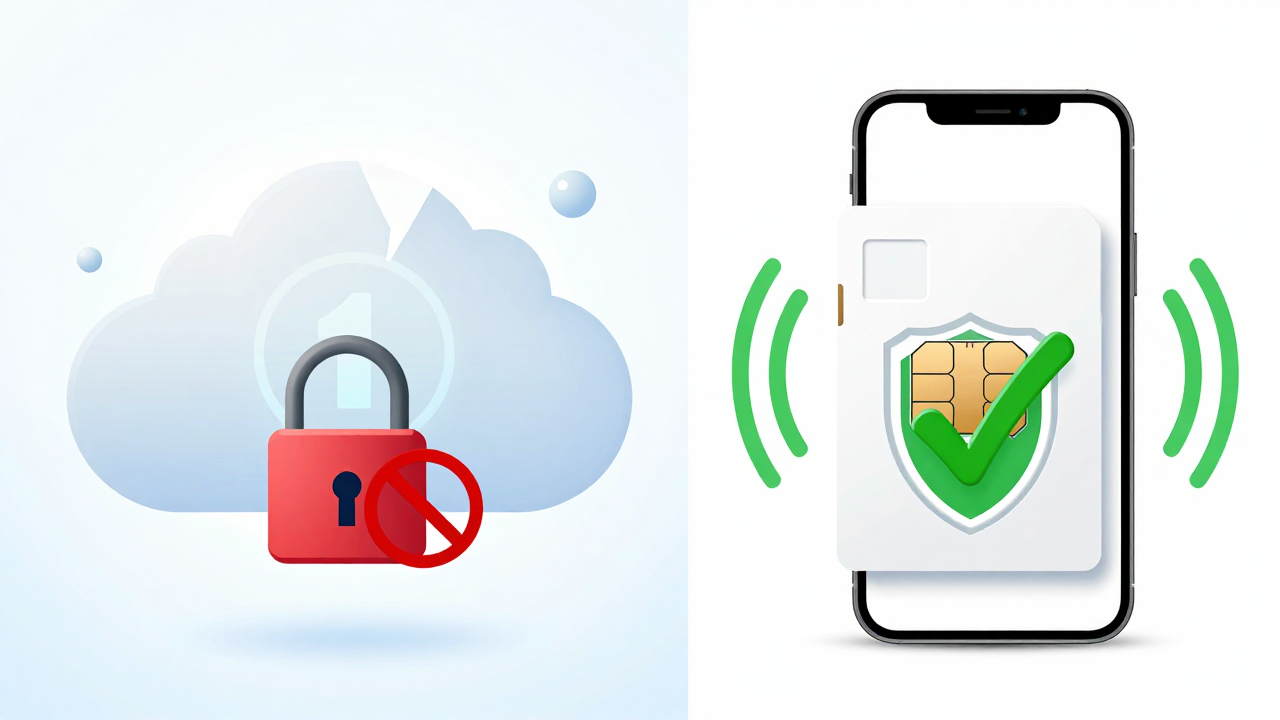
Looking at the trend, compliance is the only way forward. Platform risk systems are getting smarter every day. Trying to game the system will only get harder. For cross-border businesses and studios, it's better to pick a reliable provider from the start and focus your energy on the actual business.
Final Thoughts: Choose the Right Method, Save Yourself the Hassle
Back to the original question—how should you handle SMS verification code reception? The answer is simple: use a compliant method, pick a trustworthy service, and don't fall for "unlimited SMS" gimmicks. Cross-border business already has enough uncertainty. Don't add to it at the basic verification stage.
If you're looking for an SMS verification service, dig into details like the source of their numbers, device environment, and customer support speed. Platforms like Getfollow, which have a solid reputation in the industry, can serve as a benchmark. Of course, the final choice depends on your own business needs.
Frequently Asked Questions
What is the safest way to receive SMS verification codes?
The safest method is using a physical SIM card pool combined with real device simulation. This makes your number look like a real mobile phone in use, reducing the risk of detection by platform risk systems.
Why do virtual numbers get banned so quickly?
Virtual numbers are often recycled and come from ranges known to be used by SMS verification services. Platforms like Facebook and Amazon have sophisticated algorithms that flag these numbers, leading to failed verifications or account bans.
How much does a reliable SMS verification service cost?
Prices vary, but compliant services using physical SIM cards typically cost a bit more than virtual number pools. Expect to pay per verification or a monthly subscription—often a few cents per code. The cost is minimal compared to losing a business account.
Can I use the same number for multiple accounts?
No. Most platforms require a unique phone number per account. Using the same number for multiple accounts will likely trigger a ban. A good SMS verification service provides fresh numbers for each registration.