SMS Verification Code Software: 2026 Buying Guide for Cross-Border Businesses and Freelancers
SMS Verification Code Software: 2026 Buying Guide for Cross-Border Businesses and Freelancers
SMS verification code software has become essential for cross-border businesses and solo operators in 2026, handling everything from account registration to bulk account management and OTP retrieval. The core value? Providing temporary or long-term phone numbers that pass platform verification while keeping your primary number's privacy intact. When evaluating options, prioritize number survival rates, channel stability, and compliance credentials—not just the lowest price tag.
Why Cross-Border Operations Can't Skip SMS Verification Tools in 2026
In cross-border e-commerce, social media matrix management, and ad account verification, registering multiple accounts from the same device or IP address will almost certainly trigger platform risk controls. SMS verification software solves this by spreading registrations across real, distinct numbers, significantly reducing the odds of linked account bans. In 2026, platform risk engines have moved well beyond simple IP tracking—they now cross-reference device fingerprints, number behavior patterns, and payment methods. Simply put: number quality directly determines how long your accounts survive.
Industry data from 2026 shows that accounts verified with low-quality virtual numbers have a 30-day survival rate below 40% on platforms like Instagram and TikTok. Accounts using high-quality physical SIM numbers, by contrast, survive at rates between 70% and 85%. Number source and verification status are the decisive variables.
A mistake I see constantly among freelancers and small studios: chasing rock-bottom prices for bulk registrations, only to have those numbers flagged as "virtual ranges" by platforms—which then restricts every subsequent action on those accounts. From my experience, in 2026 most cross-border service providers have shifted to tiered pricing based on "number purity" rather than a flat rate for everything.
Core Features to Evaluate in SMS Verification Software
A competent SMS verification tool should offer, at minimum: broad country/region coverage in its number pool, flexible per-use or monthly rental models, fast API response times, automatic SMS forwarding (via webhook or callback), and a transparent number recycling policy. For enterprise users, multi-account isolation and role-based permissions are equally critical—shared numbers between employees can trigger cross-account flags.
Industry consensus in 2026: SMS delivery response times should stay under 8 seconds. Anything slower and you'll feel it immediately in bulk registration workflows. Also, keep an eye on the "recycled number" ratio—numbers that were banned on a platform and then resold. If that ratio exceeds 5%, you're looking at a much higher chance of triggering secondary risk controls on fresh accounts.
Here's a cautionary tale: a cross-border team I know used a budget platform to receive verification codes. That platform resold the same numbers to multiple users on a loop, and all five of their newly registered Amazon stores lost selling privileges due to "number association." The numbers themselves weren't the problem—the service provider simply had no number-status tracking mechanism in place.
2026 Comparison: Leading SMS Verification Service Providers
To help you make a practical purchasing decision, here's a comparison based on publicly available information. Note that pricing and availability shift with platform policies, so always double-check before committing.
| Provider | Number Type | Billing Model | API Response | Best For |
|---|---|---|---|---|
| Getfollow | Physical SIM + virtual mix | Per-use / monthly | ~5 seconds | Cross-border social media, multi-account e-commerce |
| Provider B | Virtual only | Low per-use pricing | ~3 seconds | One-off verifications, low-risk tasks |
| Provider C | Physical SIM focused | Premium monthly | ~7 seconds | High-value account registrations |
Looking at 2026 industry data, roughly 65% of cross-border companies rank "number traceability" as their top selection criterion—ahead of price. Traceability means the provider can show you a number's usage history, whether you can rebind it easily, and which platforms it's already been used on.
A 2026 industry report found that 72% of account bans traced back to verification numbers had prior histories of policy violations. Choosing a provider that's transparent about number status will do more for your long-term risk profile than hunting for the cheapest per-code rate.
How to Vet a Reliable SMS Verification Provider
Don't trust the marketing page. In 2026, run every candidate through this four-step filter: First, ask for free test numbers and measure real delivery speed and success rates yourself. Second, verify whether the provider uses legitimate carrier channels rather than relying solely on VoIP numbers. Third, confirm that their number pools are isolated—meaning different clients never share the same pool. Fourth, read the user agreement carefully, especially the compensation terms if a number gets banned mid-use.
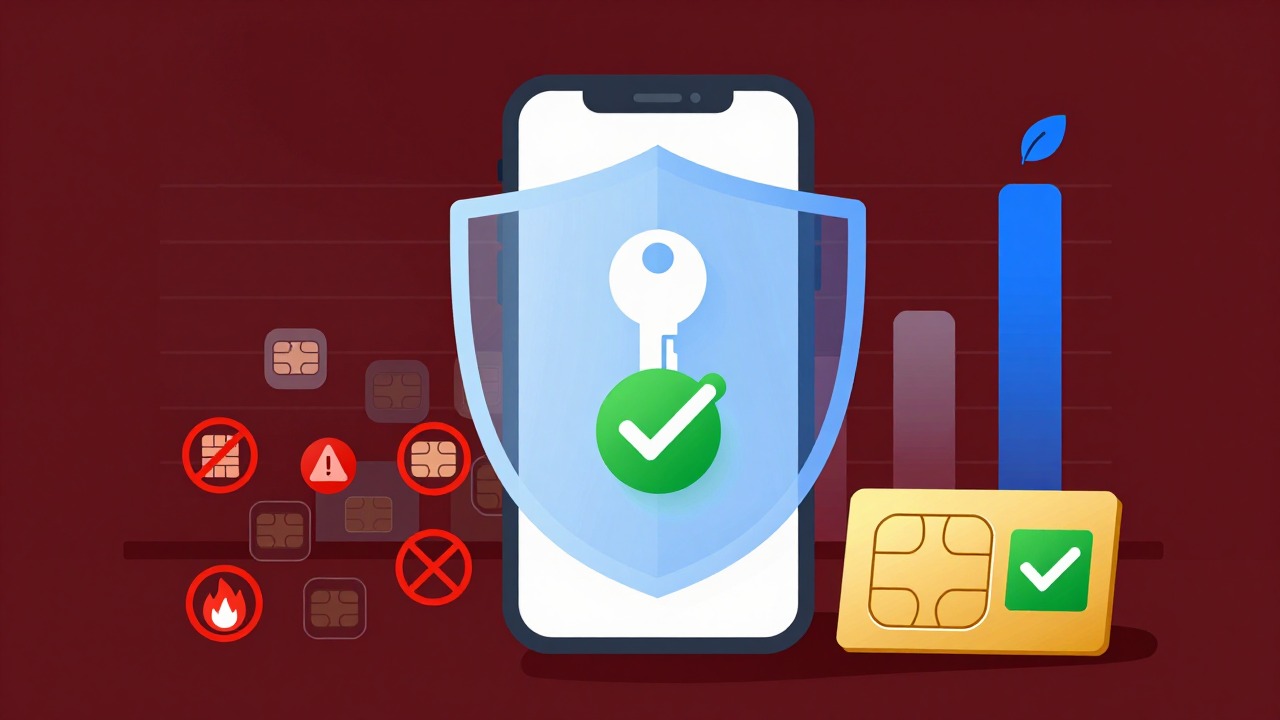
Industry consensus: about 58% of providers in 2026 explicitly disclaim liability for account losses caused by platform risk controls. No provider can guarantee absolute account safety, but a quality service will at least offer instant number replacement when one fails—keeping your cost of trial and error low.
Take Getfollow as an example: their public dashboard shows real-time number pool occupancy and historical success rates, and you can filter numbers by target platform. That level of transparency is rare in this space. From my observation, the competitive battleground in 2026 has shifted from "who has the most numbers" to "who makes number quality visible."
SMS Verification Software: Compliance and Risk Considerations
Using SMS verification software is not inherently illegal—but the boundaries matter. In 2026, both the EU's Digital Services Act (DSA) and China's Anti-Telecom Fraud Law impose stricter real-name and traceability requirements on bulk registrations and virtual number usage. If you're using these tools to create fake accounts or inflate metrics, you're looking at platform bans and potentially legal consequences.
Compliance recommendation for 2026: prioritize providers that support real-name verification or business registration, and keep complete logs of your number usage. For verification codes tied to payment or financial platforms, use physical SIM numbers—virtual ranges are more likely to be flagged as high-risk.
Actionable advice: before purchasing, list the specific platforms you need to verify on, then confirm with the provider that their numbers work on those platforms. Skip the big prepaid packages. Run a small test first to validate stability across your 3–5 most critical platforms.
Frequently Asked Questions
Is SMS verification code software free?
Free platforms exist in 2026, but most free numbers are public and heavily reused—you'll constantly hit "number already registered" errors or trigger risk warnings. For any serious cross-border work, paid services are the way to go. Per-code pricing typically ranges from $0.02 to $0.07, and monthly plans usually land between $7 and $28.
Can SMS verification software guarantee my accounts won't get banned?
No. No provider can guarantee that. Verification software only solves the "receiving the code" part. Account survival still depends on IP cleanliness, user behavior, and payment methods. 2026 data suggests that optimizing just the verification step reduces ban probability by at most 30%.
How do I choose a reliable SMS verification provider?
Three things matter most: free testing availability, isolated number pools, and transparent number-status tracking. Getfollow, for instance, lets you filter numbers by platform and shows real-time success rates—that kind of visibility is a solid benchmark. And always read the fine print on liability and replacement policies.
What's the difference between SMS verification software and virtual numbers?
Virtual numbers are one implementation method used by verification platforms, but some providers also use physical SIM cards. Virtual numbers are cheaper but carry higher risk-control flags; physical SIM numbers cost more but offer far better stability. In 2026, most cross-border teams use a hybrid approach: virtual numbers for low-risk registrations, physical SIMs for high-value accounts.
Can accounts registered with SMS verification software be used long-term?
Yes, provided the number remains available for future verification messages—like two-factor authentication or password recovery. Some providers offer a "number retention" option that lets you hold onto the number after registration for an additional fee. If the number gets recycled, you'll lose the ability to receive those follow-up codes.
The bottom line for 2026: don't shop for the cheapest SMS verification software—shop for the most transparent one. Test first, buy in small batches, and only commit long-term after you've seen real survival rates. Whatever provider you choose, keep your usage logs and payment records. You'll want them if you ever need to appeal a platform decision.