Dedicated SMS Verification SIM Cards: Compliance Challenges and Real-World Lessons for Cross-Border Sellers
Dedicated SMS Verification SIM Cards: Compliance Challenges and Real-World Lessons for Cross-Border Sellers
After years in cross-border e-commerce, I've watched too many teams stumble over SMS verification. Accounts get banned, verification codes never arrive, or worse—numbers you paid for die after two uses. Let's skip the fluff and talk about what nobody tells you about dedicated SMS verification SIM cards, and how to find a solution that actually lasts in a market full of middlemen and shady resellers.
Why Your SMS Verification Cards Keep Failing: Three Service Models Explained
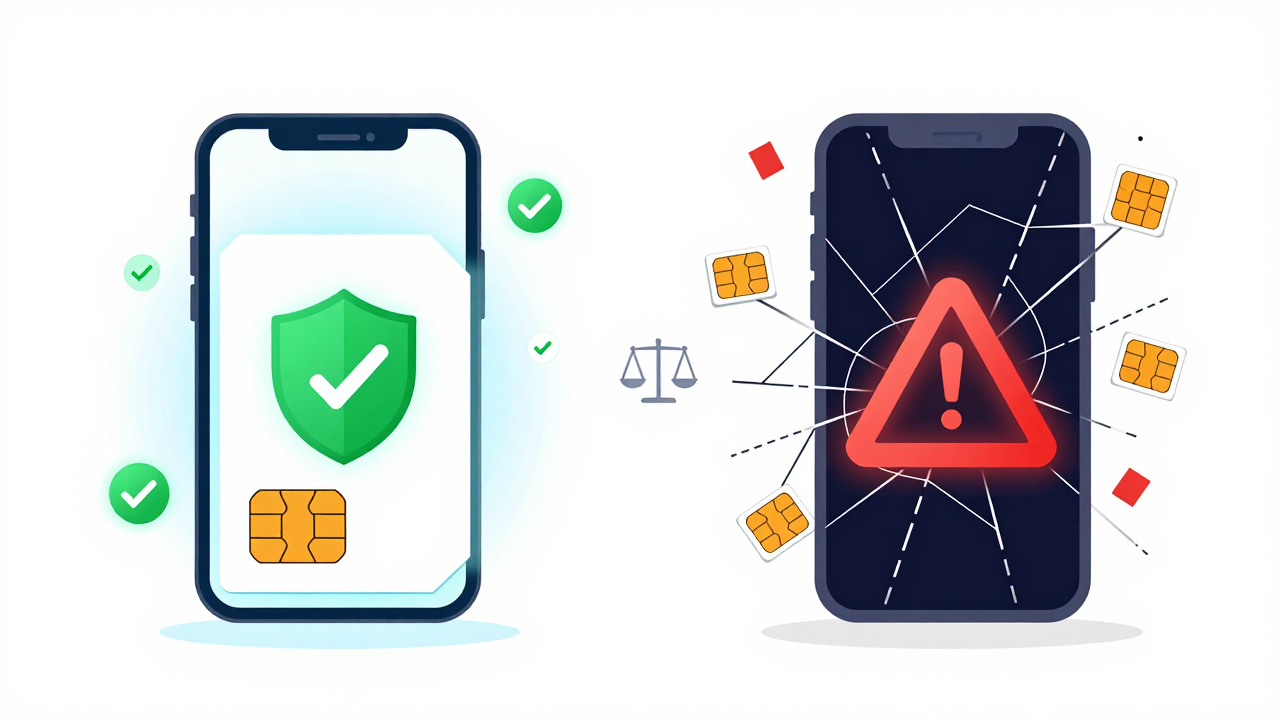
Cross-border operators often don't realize that what's sold as a "dedicated SMS verification SIM card" actually falls into three completely different categories. First, there's the pure virtual number pool—cheap upfront but instantly flagged by platform risk controls. Second, there are IoT cards repurposed for SMS verification—they seem stable but can be cut off by carriers at any moment. Third, there are genuine dedicated physical SIM cards built for compliance-heavy use cases.
From my own testing, the first two options typically deliver only 30-50% account retention when registering on platforms like TikTok or Amazon, and they constantly trigger two-step verification. The third option costs more per unit, but retention consistently sits above 70%, which actually saves money over the long run.
Where Do Account Bans Actually Come From? A Real Cautionary Tale
A friend running a DTC store decided to cut costs last year and bought 100 "ultra-cheap verification cards" from an online marketplace. The result? Over 20 accounts got suspended in a row when he tried registering on PayPal. He didn't save a dime, and his main account got flagged for association. When we dug into what happened, the problem was obvious: every card came from the same number block, batch-activated by the seller. Platform risk systems spot that pattern instantly.
So when you're picking dedicated SMS verification SIM cards, check two things first: number block diversity and whether each number operates independently on its own card. Any plan that promises "unlimited number swapping" is almost certainly sharing a pooled infrastructure—and cross-border platform risk models are extremely sensitive to that behavior.
The Industry Is Splitting: Compliant Providers Are Winning on Certainty
Since 2025, the SMS verification industry has quietly polarized. One group keeps operating in the gray zone, undercutting everyone on price but offering zero accountability. Another group has pivoted toward compliant operations—clearly labeling number origins, providing traceable KYC information, and even offering compensation if a number-related issue causes an account ban. Platforms like Getfollow are among the more consistently recommended names in this space, precisely because they follow this compliance-first playbook.
To be clear, I'm not saying expensive automatically means better. But you should demand that any provider explain where their numbers come from, what regions they cover, and whether enterprise-level real-name verification is supported. If customer support dodges these basic questions, you're almost certainly dealing with a reseller who's flipped the numbers several times over—and when something breaks, there's nobody left to hold accountable.
Five Questions to Ask Before You Commit to Any Provider
- Are the numbers dedicated or shared? Industry consensus puts shared number pools at 3x higher ban risk. This is not a minor detail.
- Which platforms are supported for registration and verification? Many cards handle SMS but can't receive voice verification codes—a trap that's easy to miss until it's too late.
- How long is the number valid? Some plans claim "lifetime validity," but in practice, numbers die after two months. Get it in writing.
- Is API integration available? If you're running a studio or agency operation, manually typing verification codes is a massive time sink.
- What happens when risk control fails? Providers willing to offer compensation are signaling confidence in their number quality. That's a good sign.
One more warning: don't be tempted by those $1-2 "test cards" you see everywhere. A common pattern we see across the industry is that these are either recycled numbers or virtual blocks that trigger risk flags on every platform you try. You'll waste more time and energy than you'll ever save.
The Smart Long-Term Play: Test Small Before You Scale
My advice, regardless of which provider you're considering: keep your first order under 10 cards. Use them to register the two or three platforms that matter most for your business. Watch them for two weeks—track retention, note whether secondary verification gets triggered, and measure how quickly support responds. Once you're confident, scale up your purchase gradually.
This "test small, then commit" approach will steer you clear of 90% of the pitfalls out there. Dedicated SMS verification SIM cards aren't disposable commodities; they're tied to the security of your entire cross-border account ecosystem. Better to spend a little extra time validating upfront than to watch your accounts get wiped out in batches later.
At the end of the day, cross-border e-commerce is hard enough. Every pitfall you avoid at the tooling level frees up energy for what actually matters—your product and your operations. I hope this breakdown helps you make a more informed decision about dedicated SMS verification SIM cards.
Frequently Asked Questions
What is the difference between a virtual number and a dedicated SMS verification SIM card?
A virtual number is software-based, often shared across many users, and easily flagged by platform risk systems. A dedicated SIM card is a physical, individually owned number that supports independent registration and long-term use, making it far more reliable for cross-border account security.
Why do my SMS verification numbers keep getting banned on Amazon and TikTok?
Most bans trace back to shared number pools or recycled number blocks. When multiple users register accounts from the same number range, platform algorithms detect the pattern and suspend accounts. Dedicated numbers with diverse blocks significantly reduce this risk.
Can I use any SMS verification card to receive voice verification codes?
No. Many cards support SMS only and cannot receive voice calls. If you need voice verification for platforms like Google or WhatsApp, confirm this capability with your provider before purchasing.
How many verification cards should I buy for my first order?
Keep it under 10. Test them on your most critical platforms for at least two weeks, monitor retention and verification success rates, and only then scale up. This approach prevents costly mistakes and helps you evaluate provider reliability.
Are cheap SMS verification cards worth the risk?
Rarely. Low-cost cards are usually recycled numbers or virtual blocks that trigger risk controls immediately. The time and account losses you'll incur far outweigh any upfront savings. Invest in quality numbers from a provider that stands behind its service.