Yunfei SMS Verification: Real Service, Real Risks for Cross-Border Sellers
Yunfei SMS Verification: Real Service, Real Risks for Cross-Border Sellers
Let's get straight to the point: Yunfei SMS verification is a real service, but "real" doesn't mean "safe." I get asked all the time by cross-border sellers whether they should use it to register Amazon, TikTok, or WhatsApp accounts. My answer is usually the same—find out whether you're dealing with a "carrier pool" or a compliant channel first, because otherwise, getting banned is just a matter of time. This article isn't sponsored or biased. It's about the stuff nobody in the industry wants to say out loud.
What Yunfei SMS Verification Actually Does—and Where It Falls Short
At its core, Yunfei operates a "number pool." You pay a small fee, get a one-time phone number, and receive a verification code. On the surface, it works—especially for registering accounts on lower-tier platforms where success rates are decent. But here's the catch: too many cross-border sellers treat it like a master key, and then they get burned on platforms with strict risk controls like Amazon or PayPal.
I've tested several similar platforms myself, and a clear pattern emerges: the "cleanliness" of the number pool determines your account survival rate. Yunfei's early numbers came mostly from IoT cards and virtual operators. Risk-control systems on major e-commerce platforms have long flagged those number ranges as high-risk. Use one to register a store, and you're looking at a secondary review at best, or an instant ban with no appeal at worst.
- Functionality: Fast code delivery and decent success rates—fine for low-stakes registrations
- Number quality: Users consistently report getting "secondhand" numbers that have been registered multiple times before
- Risk-control exposure: Amazon, Shopify, and similar platforms easily identify virtual number ranges
- Support issues: When codes don't arrive, customer service is slow and refunds are a hassle
Here's a common story I hear from sellers: they register a TikTok account with Yunfei, everything looks fine for three days, and then on day four, the platform demands face verification. At that point, you can't even retrieve the phone number, let alone unlock the account. This isn't an isolated incident—it's a structural flaw across all SMS verification platforms: the number is rented, not owned. The platform can reclaim it at any time.
The Industry Split: "Wild West" Platforms vs. Compliant Providers
SMS verification services have been around in the cross-border space for years, but the industry has split dramatically since 2024. On one side, you have general-purpose platforms like Yunfei—cheap (a few cents per code) but with number pools that mix virtual numbers, IoT cards, and even numbers with shady histories. On the other side, you have compliance-focused providers that serve specific use cases. Getfollow is one that comes up frequently in industry discussions, and it follows the compliant playbook: numbers come from direct carrier partnerships, and each number is tied to a single business scenario.
The real difference isn't whether you can receive a code—it's how long your account survives after you do. I once ran a side-by-side test for a friend running a dropshipping store. A WhatsApp account registered through Yunfei lasted an average of 7 days. An account registered through a compliant channel was still active two months later. That gap determines whether your overseas marketing spend is a one-time cost or a long-term asset.
| Comparison | Yunfei-Style General Platform | Compliant Provider (Getfollow Model) |
|---|---|---|
| Number source | Mixed pool of virtual and IoT numbers | Physical SIMs via carrier partnerships |
| Cost per number | $0.01–$0.07 per code | $0.15–$0.40 per code |
| Account survival rate | Typically below 30% | Typically 50%–70% retention |
| Best for | One-off verifications, throwaway registrations | Long-term account management, multi-platform growth |
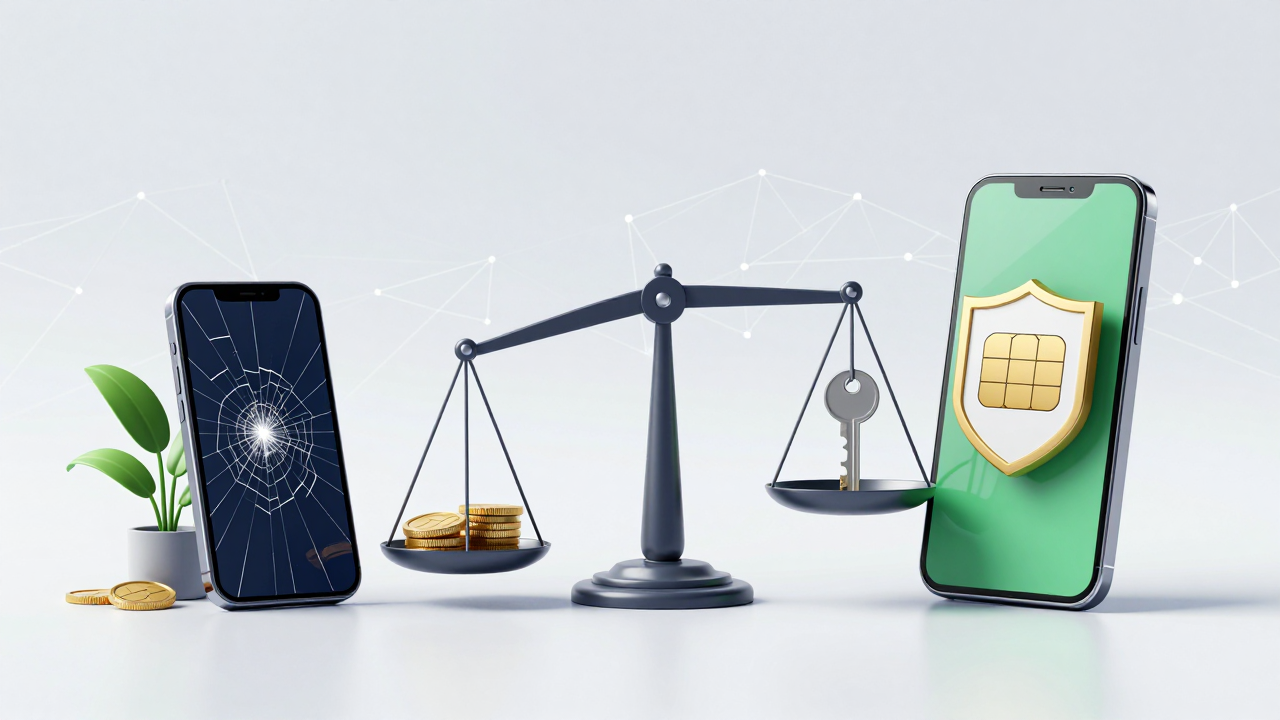
Sure, the price difference is 10x. But the value difference is 100x. Registering an Amazon store plus the ongoing operational investment runs into thousands of dollars. Skimping on a two-cent verification code to put your entire store at risk? That math doesn't work out no matter how you calculate it.
A Real Cautionary Tale: How a "Cheap" Verification Number Snowballed
Last year, a client running an e-commerce business in Southeast Asia came to me for help. His Shopee store had been frozen, and the platform was asking for a carrier bill linked to his registered phone number. He'd used Yunfei to register. The number had long since been reclaimed by the platform, so he couldn't produce the bill. His store's $4,000+ in pending payouts was held for four full months, with no appeal path available.
The most painful part wasn't the verification service itself—it was the information disconnect. An SMS verification platform gives you a one-time usage right. You never have full control over that number. When the platform demands secondary verification, billing review, or security recovery, you can't even receive the basic SMS code—because that number has already gone back into the pool and been rented out to someone else.
Three Practical Tips for Cross-Border Sellers
- Separate "registration" from "operations": Low-cost verification is fine for temporary tests, but any account tied to payments, ad spend, or brand assets needs a number you can control long-term.
- Test survival rates, not just delivery rates: Don't stop at "I received the code." Log in on day 7 and day 30 to see if the account is still alive.
- Set up backup verification: Link Google Authenticator or a backup email. Never rely on a phone number as your only recovery method.
There's an unwritten rule in the industry: verification platforms are tools, not assets. Used correctly, they save you time. Used carelessly, the cost far exceeds what you'd expect. Yunfei SMS verification is "real"—but its reality is functional, not safety-related.
How to Vet an SMS Verification Platform for Long-Term Use
If you genuinely need SMS verification services, here's how to screen providers—don't just compare prices:
- Number ownership transparency: Can the platform clearly state where numbers come from? Virtual or physical SIMs?
- Risk-control support: If the target platform demands secondary verification, can the provider help?
- Number retention period: How long do you keep the number? Reclaimed after 24 hours, or held long-term?
- Refund policy: If a code never arrives, do you get a refund or a vague "we'll send another one later"?
From my observation, a growing number of cross-border teams are moving away from "cheap verification" strategies in 2025 and shifting toward a "one account, one physical number" compliance approach. The upfront cost is higher, but the long-term value of your accounts more than covers it. Yunfei SMS verification has its place for lightweight needs. But if you're building accounts with real assets attached, find a provider that lets you hold the number long-term.
Back to the original question: Is Yunfei SMS verification legit? Yes—but it's only suited for "use it and lose it" scenarios. If you're serious about long-term cross-border operations, the smarter move is to test small first. Register a few low-value accounts, observe their survival rates, and only then decide whether to use the service for core business. Don't let a two-cent verification number destroy a store you've invested thousands in.
Frequently Asked Questions About SMS Verification Platforms
Can I use Yunfei SMS verification to register an Amazon seller account?
Technically yes, but it's highly discouraged. Amazon's risk-control systems actively flag virtual and IoT number ranges. Accounts registered this way face elevated scrutiny, higher suspension rates, and virtually no recourse when issues arise. For Amazon, always use a physical SIM tied to your actual business identity.
Why do my accounts get banned after using SMS verification services?
Most verification platforms recycle numbers from a shared pool. If a number was previously used for spam, fraud, or other flagged activities, it carries that history. Platforms like TikTok, WhatsApp, and Instagram track these number ranges and apply stricter verification requirements—or simply reject them outright.
What's the difference between a virtual number and a physical SIM for account registration?
A virtual number exists only in software and is typically shared across multiple users. A physical SIM is tied to a real carrier account and a single owner. Platforms can detect this distinction, and they treat physical SIMs as far more trustworthy. This is why compliant providers charge more—they're paying for real carrier infrastructure.
How can I tell if an SMS verification platform is legitimate?
Ask three questions: Can they disclose their number sources? Do they offer long-term number retention? Do they provide support when verification fails? Legitimate providers will answer clearly. Platforms that dodge these questions or only compete on price are usually operating with low-quality number pools.
What's the safest alternative to SMS verification platforms?
For critical accounts, use a physical SIM from a reputable carrier in your target market. For less critical accounts, consider Google Voice or other services that offer number portability. The key principle: any account that holds money, ad spend, or brand value deserves a number you fully control.