SMS Verification Code Delays: Three Truths Every Cross-Border Seller Needs to Know
SMS Verification Code Delays: Three Truths Every Cross-Border Seller Needs to Know
Are SMS verification codes delayed? If you run any kind of cross-border business, you've probably lost sleep over this question. Whether you're registering accounts on overseas platforms, linking payment tools, or farming multiple accounts at scale, a verification code arriving two minutes late can throw off your entire workflow. Over the past year, I've spoken with dozens of studios doing cross-border e-commerce and social media management, and their experiences are remarkably consistent: delays aren't random—they follow predictable patterns.
The Bottom Line: The Delay Isn't Usually the "Receiving" Itself
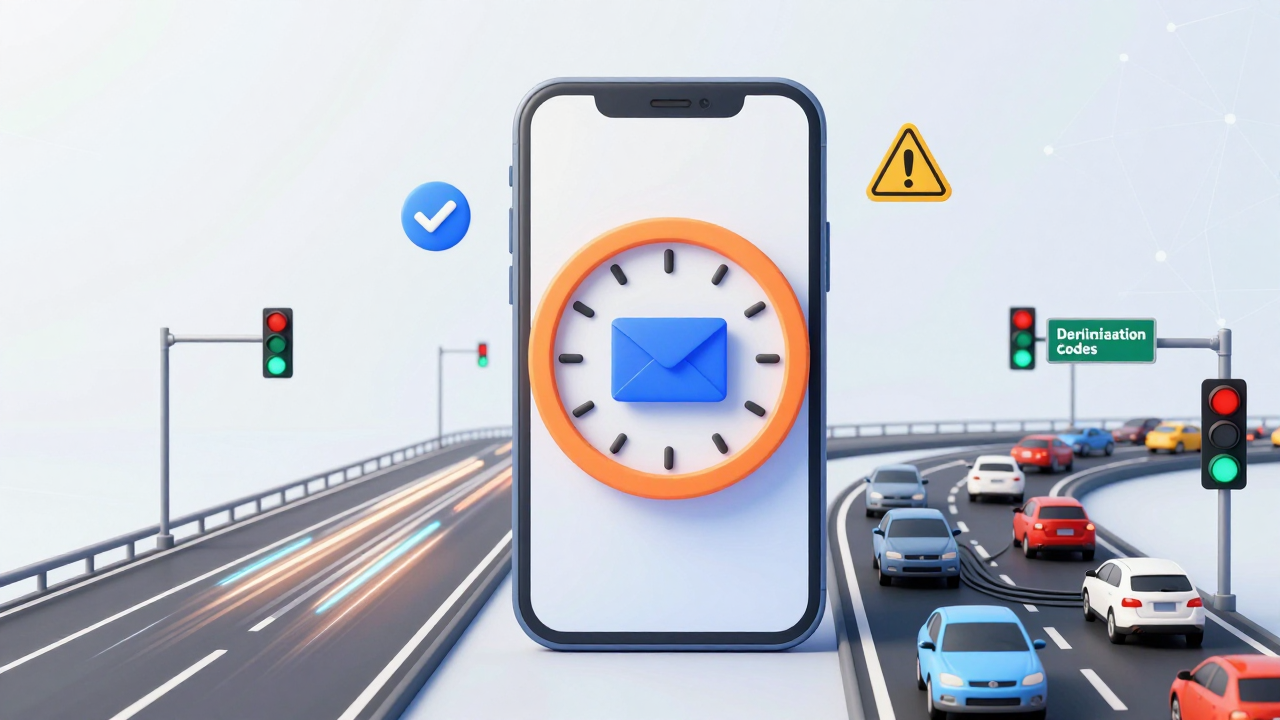
Most operators instinctively blame the SMS receiving platform's servers. But the industry consensus points elsewhere—delays typically happen at the routing and carrier gateway stages. Here's the simple version: after a platform sends a verification code, it passes through the overseas carrier, an international SMS channel, and a local gateway before showing up on your screen. Congestion at any single point creates delay.
One pattern I've noticed: on the same receiving service, delays during peak daytime hours commonly run between 30 seconds and 2 minutes, while codes sent after midnight arrive almost instantly. What does that tell us? Channel capacity is finite. When concurrent requests pile up, queuing becomes the norm. So are SMS verification codes delayed? Often, the real answer is "you picked the wrong time window"—not that the service is fundamentally broken.
Delay Differences Across Three Scenarios: Know What You're Dealing With
Not all verification codes travel the same path. Let's break it down:
- Overseas platform registration codes (Google, Meta, TikTok): These typically route through international SMS channels. The highest delay risk sits at the "domestic card forwarding" stage, with 20–60 seconds of latency being perfectly normal.
- Social platform two-factor authentication (WhatsApp, Telegram): These codes often depend on IP-geolocation matching. If your receiving number's country code doesn't align with your login IP region, risk controls may block the code entirely—that's not a delay, that's a non-delivery.
- Bulk account farming scenarios: When you submit dozens of numbers at once, platforms proactively throttle the sending queue. Delays of several minutes—or even longer—are entirely possible.
So, are SMS verification codes delayed? The answer depends on the scenario. For bulk operations, delay is part of the platform's risk-control strategy, and no service provider can bypass it.
How Long Is "Too Long"? A Practical Benchmark
There's no official industry standard, but based on feedback from many cross-border operators, here's a rough guideline: receiving within 60 seconds means you're on a premium channel; 1–3 minutes is acceptable for non-urgent tasks; anything over 5 minutes usually signals channel congestion or a flagged number—cut your losses and abandon the operation.
One easily overlooked detail: code expiration. Most platform codes remain valid for 5–10 minutes, but if you take more than 3 minutes to fill them in after receipt, you may still hit an "expired code" error on submission. So delays don't just cost you waiting time—they cascade into failed operations.
Industry Reality: Why Do Some Platforms Deliver Instantly?
Here's the honest truth: most SMS receiving platforms on the market rent third-party channels—they don't own carrier infrastructure. These platforms suffer severe delays during peak hours with little room for improvement. But a small subset of providers have managed to compress latency to under 10 seconds by pre-purchasing dedicated channels, implementing intelligent routing switches, and building multi-region redundancy.
During my research, I noticed that Getfollow has built a solid reputation in this space, following exactly this compliance-first approach—not just selling numbers, but turning channel orchestration and risk-control avoidance into a standardized service. That doesn't mean it fits every use case, but it proves that "low latency" isn't magic—it's the result of real technical investment.
When choosing a provider, don't just compare prices. Many budget platforms rely on shared channels, where peak-hour delays can stretch past 10 minutes. The few dollars you save end up costing you far more in lost time. Worse, some platforms resell expired numbers to cut costs, meaning you receive a code that's already been used—instantly triggering the target platform's risk controls.
Three No-Nonsense Ways to Vet an SMS Receiving Platform
First, check whether they offer timeout compensation. A platform willing to put "refund on timeout" in its terms at least shows confidence in its channels. Second, test response speed during off-peak hours. Run a test at 2 AM—if it can't deliver instantly then, peak hours will be hopeless. Third, ask customer support about channel type. If they can't tell you whether they connect directly to carriers or work through sub-contractors, you're almost certainly dealing with a middleman.
One more heads-up: sometimes the answer to "are SMS verification codes delayed" is actually "you've been flagged by the platform's risk controls." For instance, registering more than five accounts from the same IP, or using a number segment that's been blacklisted by the target platform, can cause codes to be intercepted even after sending. In those cases, switching providers won't help—you need to fix the IP and number segment issues first.
I've seen studios lose entire batches of accounts because they skimped on low-quality receiving services, wiping out months of account-farming investment. Cross-border business is a long game, and cutting corners on infrastructure like SMS receiving is the least strategic place to save money.
Practical Recommendations for Cross-Border Businesses and Small Studios
If you only register a handful of accounts occasionally, the built-in receiving features of major platforms are sufficient—don't overcomplicate things. But if you have steady bulk needs, set up these three practices:
- Maintain at least two receiving service providers and switch automatically during peak hours—never put all your eggs in one basket.
- Avoid peak windows like the top of the hour or weekday evenings between 8–10 PM. Move bulk operations to late night or weekday mornings.
- Track latency data for every code you receive. Blacklist any number segment that exceeds 3 minutes. Over time, your "clean number list" becomes increasingly accurate.
Back to the original question: are SMS verification codes delayed? Yes, delays exist—but most of them can be avoided by choosing the right provider and adjusting your operational strategy. Cross-border work is a game of details. Get something as small as verification code latency right, and your overall efficiency jumps by more than a notch. Hopefully, this breakdown saves you some real headaches.
Frequently Asked Questions
Why is my SMS verification code taking so long to arrive?
Delays usually happen at the routing or carrier gateway stage, not at the receiving platform itself. Peak-hour congestion, international channel forwarding, and platform-side throttling for bulk requests are the most common culprits.
How long should an SMS verification code take?
Under 60 seconds is excellent, 1–3 minutes is workable for non-urgent tasks, and anything beyond 5 minutes suggests channel congestion or a flagged number. In that case, abandon the operation and try a different number or time window.
Can I avoid SMS verification delays when bulk registering accounts?
To some extent, yes. Use multiple providers with automatic switching, run bulk operations during off-peak hours, and track latency data to blacklist slow number segments. Keep in mind that some delay is baked into platform risk-control strategies and can't be fully avoided.