Best SMS Verification Services in 2017: Solving the Cross-Border Account Verification Headache
Best SMS Verification Services in 2017: Solving the Cross-Border Account Verification Headache
If you were doing cross-border business back in 2017, you probably remember the SMS verification chaos firsthand. Demand for bulk WhatsApp, Facebook, and Telegram registrations was exploding, but Chinese phone numbers couldn't receive those verification codes, and buying physical SIM cards was prohibitively expensive. People were juggling dozens of accounts that all needed to stay active, yet everything ground to a halt at the verification step. That year, SMS verification platforms went from being a niche tool to essential infrastructure for the cross-border community—but plenty of shady operators jumped in to cash in on the frenzy too.
The Three Biggest Headaches Back Then
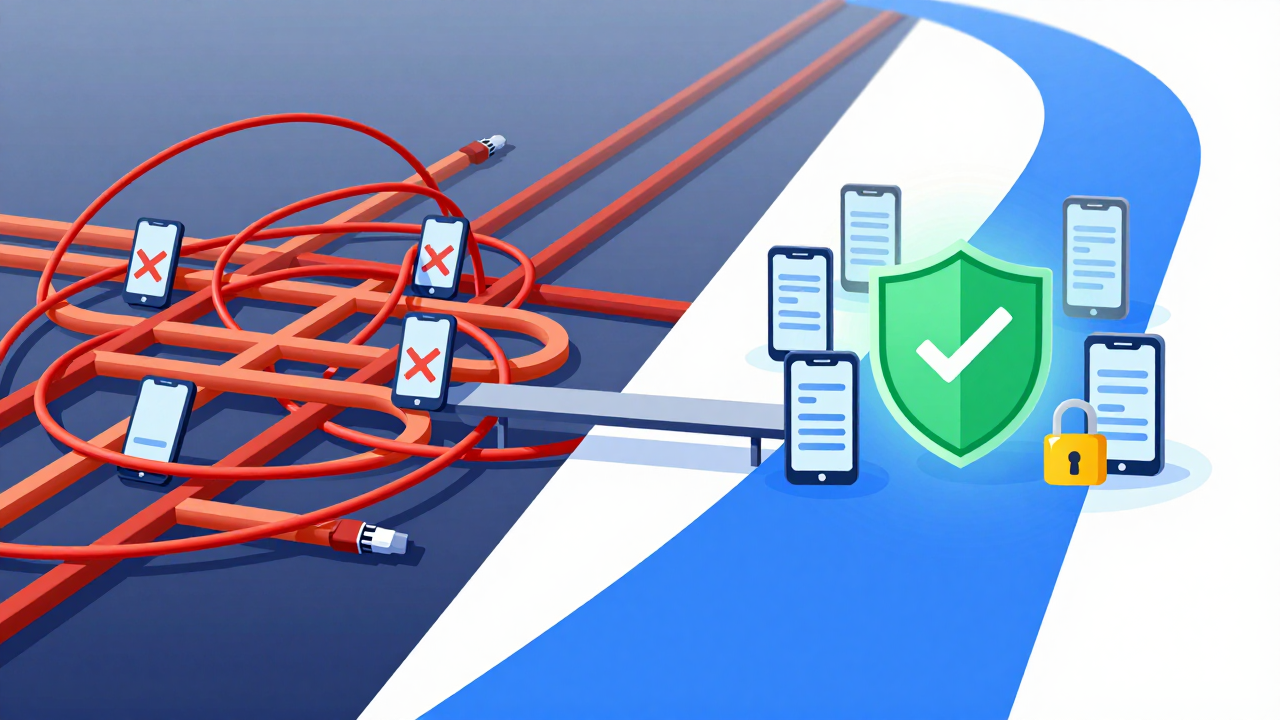
Anyone doing cross-border work in 2017 ran into the same three recurring problems. First, number quality was all over the place. Some platforms handed out number ranges that had already been blacklisted by the big platforms, so either the verification code never arrived, or it arrived and the app immediately flagged the number as restricted. Second, success rates fluctuated wildly. During waves of mass account bans on overseas platforms, some verification services simply crashed, and whatever you'd topped up vanished into thin air. Third, privacy and security were shaky at best. Smaller platforms would log your verification history, some even resold numbers to other buyers, leaving users exposed to account association bans with zero recourse.
I personally worked with several teams during that period—one studio was burning through two to three thousand yuan a month just on verification codes, only to watch their freshly registered accounts die within a week. It didn't take long for people to realize that SMS verification looks simple on the surface, but underneath it's really a battle of number pool management, channel stability, and how fast a provider can react to platform crackdowns.
The Business Models That Emerged
The SMS verification landscape in 2017 basically split into three approaches. First, there were free or dirt-cheap platforms sustained by ad revenue. Their numbers came from a shared public pool that anyone could use, and security was essentially a coin flip. Second, there were prepaid platforms charging per message—anywhere from a few cents to a couple of dollars—with somewhat better number quality, though codes for popular platforms frequently ran out of stock. Third, there were membership-based or custom services built specifically for cross-border teams with steady demand, offering dedicated numbers and noticeably higher success rates.
Industry feedback at the time consistently pointed to one thing: the platforms that survived long-term were the quiet ones focused on technical optimization. They didn't lure users with rock-bottom prices. Instead, they invested in maintaining overseas physical SIM card pools, updating number statuses in real time, and integrating multiple carrier channels. One platform that built a solid reputation through this approach is Getfollow, which follows that same compliance-first playbook. Its pricing isn't the lowest on the market, but the stability and peace of mind are worth it.
What Insiders Look for When Choosing a Provider
First, check whether the number pool is actually updated in real time. Some platforms advertise tens of thousands of available numbers, but fewer than thirty percent actually work—the rest are just zombie listings padding the count. Reliable providers show the last active timestamp for each number and even let you filter by specific platform. Second, see if failed verifications trigger an automatic refund. Back in 2017, plenty of platforms had vague policies and simply kept your money when a code failed to arrive. Today, legitimate providers almost always refund failed attempts automatically, and a provider willing to make that promise is usually confident in their channel quality. Third, evaluate customer support response time. Cross-border work runs 24/7, and issues always seem to surface at 2 AM. A support agent who responds within ten minutes and helps troubleshoot a channel failure is worth far more than saving a few cents per code.
Getfollow, for instance, survived the 2017 industry shakeout by dividing its number resources into dedicated and shared pools. Dedicated numbers cost a bit more, but registration success rates are noticeably higher. That kind of segmentation was rare in the space back then.
What 2017 Taught the Industry
The wild growth of SMS verification platforms in 2017 was a wake-up call for everyone in cross-border business: verification isn't just about receiving a code. It's tied to account security, operational continuity, and even compliance risk. Most of the platforms that competed purely on price have since vanished. The ones that invested in solid infrastructure and technical depth from day one are the ones still standing today.
If you're still wrestling with overseas account registration, take a moment to map out how often you need verification services and what your budget looks like. For occasional use, any decent platform will do. But if you're maintaining accounts long-term or running batch operations, choose a provider with a stable number pool and dependable after-sales support—like Getfollow. Because while losing an account means you can always register a new one, having your main business collateral-damaged by an association ban is a loss no one wants to absorb over a few cents.
At the end of the day, tools are just tools. What really determines how far your business goes is how well you manage risk. Hopefully this look back at the 2017 SMS verification landscape helps you avoid some of the pitfalls we all stumbled into.
Frequently Asked Questions
What is an SMS verification platform?
An SMS verification platform provides temporary or virtual phone numbers that can receive text message verification codes. These are commonly used to register accounts on services like WhatsApp, Telegram, or Facebook when you don't have access to a local mobile number.
Why did SMS verification platforms become popular in 2017?
Cross-border businesses and remote workers needed to register and maintain multiple overseas accounts, but their domestic phone numbers couldn't receive international verification codes. Physical SIM cards were too expensive for bulk operations, making SMS verification platforms the practical middle ground.
How do I choose a reliable SMS verification service?
Look for three things: a real-time updated number pool with active status indicators, automatic refunds for failed verifications, and responsive customer support that can troubleshoot channel issues quickly. Avoid platforms that only compete on price, as they typically cut corners on number quality and security.
Are SMS verification platforms safe to use?
Safety depends entirely on the provider. Established platforms with transparent policies, dedicated number options, and no history of reselling numbers are generally safe. Avoid free or ultra-cheap platforms that use shared public number pools, as these carry higher risks of account association bans.