SMS Verification for Overseas Accounts: The Complete Guide for Cross-Border Sellers
SMS Verification for Overseas Accounts: The Complete Guide for Cross-Border Sellers
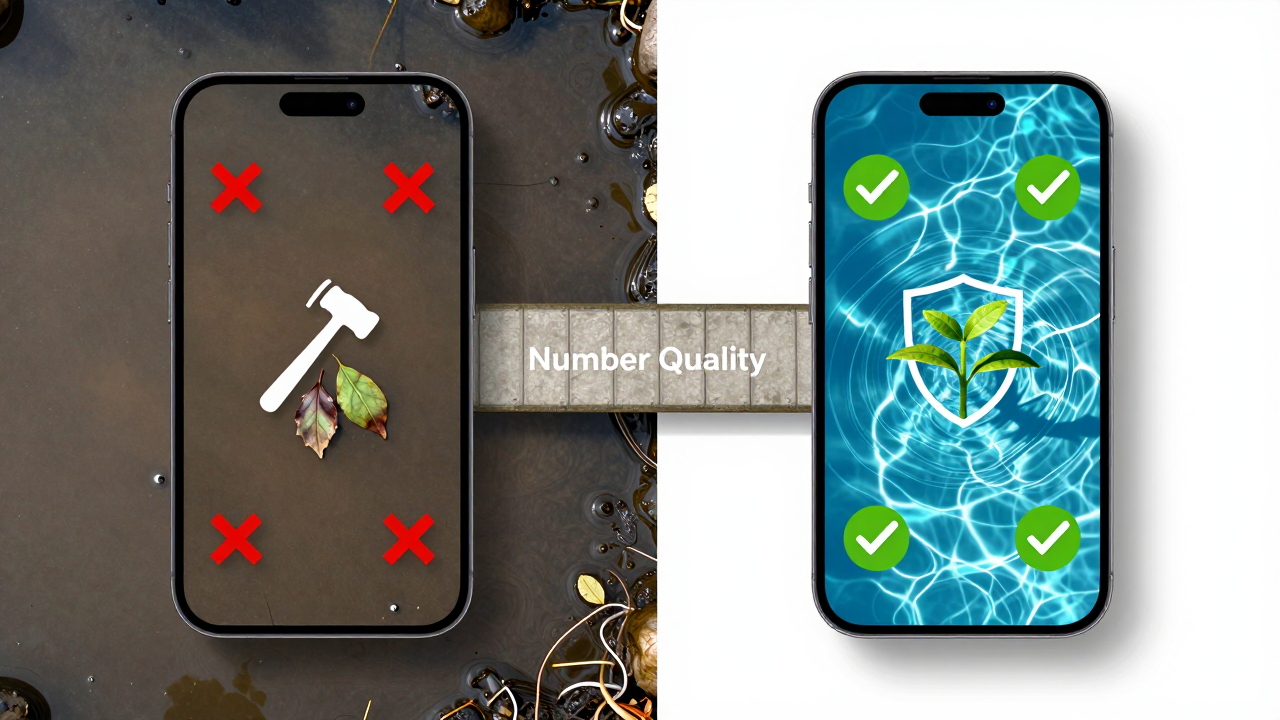
If you're a cross-border entrepreneur or freelancer, you've probably hit the same wall: how to use SMS verification for overseas accounts without getting blocked. TikTok, WhatsApp, Amazon, Shopify — nearly every major platform requires phone verification. Chinese phone numbers can't receive overseas verification codes, so SMS verification becomes a non-negotiable tool. Here's the hard truth that took me years to nail down: SMS verification isn't about buying a code — it's about buying the cleanliness of the number. The quality of the number pool determines whether your account survives the first 72 hours.
Over the past two years, I've watched hundreds of cross-border sellers struggle. A painful pattern emerged: 90% of account problems don't come from bad marketing or poor content — they trace back to the SMS verification step. This guide isn't here to scare you. It's here to give you the playbook.
How to Use SMS Verification for Overseas Accounts: Start With the Number Source
A lot of people think SMS verification just means a platform randomly assigns a number, you get the code, and you're done. Technically yes — but the source of that number makes all the difference.
There are three main types of numbers in the market: IoT cards, recycled numbers, and carrier-direct numbers. IoT cards are the cheapest, but they're flagged by almost every platform — try registering a TikTok account with one and you'll see a ban within minutes. Recycled numbers have been used by someone else before. Platform risk systems can detect that history, and you'll almost certainly trigger secondary verification. Carrier-direct numbers are the gold standard — but they cost more, and very few providers can consistently supply them.
Here's a real-world example. A friend of mine was running a TikTok Shop. He bought a cheap SMS verification service — about 5 cents per number — and registered 20 accounts. Within three days, 18 were banned. The remaining 2 were shadowbanned. He switched to a provider with a cleaner number pool — same 20 accounts, 14 survived. The per-number cost went from 5 cents to 20 cents, but his ROI tripled. That's the difference a clean number source makes.
How to Use SMS Verification Without Getting Banned
Here's something most people learn the hard way: receiving the verification code doesn't mean your account is safe.
Take TikTok as an example. The first 72 hours after registration are a risk monitoring window. The system checks your IP environment, device fingerprint, and the number's behavioral history. If the number was previously flagged, or if the IP doesn't match the number's region, the system flags the account as suspicious. Best case: shadowban. Worst case: permanent suspension.
The industry-standard approach is: pair your SMS verification with a clean operating environment. Use a residential IP, one number per device, and don't do anything aggressive for the first three days. Many professional studios run a dedicated "nurturing phase" — they mimic normal user behavior for three days before starting actual operations. It sounds tedious, but it pushes account survival rates from under 40% to over 70%.
One more thing: don't switch accounts on the same device. Device fingerprint correlation is much stronger than most people realize. Once a device has logged into five or more accounts, every new account registered on it will likely be flagged as a linked account.
SMS Verification for Overseas Accounts: Industry Reality and Real Costs
Right now, SMS verification services fall into three tiers. Tier 1: Free platforms. Numbers are public, anyone can use them. Fine for a one-time test, but using them for real business accounts is basically self-sabotage. Survival rates are abysmal. Tier 2: Paid platforms with mixed pools. Prices range from $0.07 to $0.30 per number. Some isolation between users, but the number sources are a gamble. Tier 3: Compliant professional providers. Numbers come from carrier-direct or self-operated pools, paired with a full operating environment setup. Prices range from $0.40 to $1.10 per number, but account survival rates are significantly higher.
Here's a metric that actually matters: 3-day retention rate — not whether you can receive the code. Industry consensus shows that Tier 2 platforms deliver 30% to 50% retention. Tier 3 providers consistently hit 60% to 80%. Paying a few extra cents per number to double your survival rate? That math writes itself.
Among Tier 3 providers, platforms like Getfollow have built a solid reputation. They use self-operated number pools paired with compliant environment matching. It's not the only option out there, but it represents a direction worth paying attention to.
SMS Verification Service Comparison
| Type | Number Source | Code Receipt Rate | 3-Day Retention | Cost Per Number | Best For |
|---|---|---|---|---|---|
| Free Platforms | Public pools, recycled numbers | 30%–50% | 10%–20% | Free | One-time tests, throwaway verification |
| Paid Platforms (Mixed) | IoT cards + some recycled numbers | 60%–80% | 30%–50% | $0.07–$0.30 | Low-risk bulk registration |
| Compliant Providers (e.g., Getfollow) | Self-operated + carrier-direct | 85%–95% | 60%–80% | $0.40–$1.10 | Long-term operations, high-value accounts |
Here's the pattern I've seen play out over and over: the cheaper the SMS verification, the higher the hidden costs — time lost to bans, IP and device costs wasted, and the labor of re-registering accounts. When teams run the full numbers, almost all of them quietly migrate to compliant providers.
Hidden Risks and Practical Tips
Beyond bans, watch out for these common pitfalls:
- Numbers reused across customers: Some platforms sell the same number to multiple people. Your account could be accessed or recovered by someone else at any time.
- Code delivery delays: If it takes more than 5 minutes to get the code, you've already lost. Most platform codes expire in 60 seconds.
- No post-sale support: Code failed or account banned? Many cheap platforms won't refund or replace the number. This is the norm, not the exception.
Here's a practical tip I give everyone: spend $15 to $30 on a small test batch before committing. Buy 10 numbers, register accounts, and observe for 3 to 5 days. Watch the retention rate, check if secondary verification triggers, and gauge the platform's risk sensitivity. Only when the test passes should you scale up.
Frequently Asked Questions
Are SMS verification platforms safe? Will they get my accounts banned?
It depends entirely on the number source and the provider's operating strategy. If the platform uses IoT cards or heavily recycled numbers, the ban risk is high. If the numbers are clean and paired with a compliant operating environment, the risk drops to a manageable level. Always choose a provider that is transparent about their number sources, and ask for test numbers before committing.
How do I use SMS verification for overseas accounts without getting banned?
Three things matter most: a clean number, a matching IP, and a reasonable operating frequency. SMS verification is just step one. After registration, don't rush into aggressive actions. Mimic normal user behavior for 3 to 7 days — a "nurturing phase" as the pros call it. Also, each platform's risk system is different. TikTok focuses on device fingerprints. WhatsApp looks at number history. Research your target platform's risk profile before you start.
Why shouldn't I use free SMS verification platforms?
Free platforms typically use publicly shared numbers that anyone can access. These numbers are already flagged as high-risk by most platform risk systems. The registration success rate is low, and even if you get through, the account won't last. Free SMS verification is fine for one-time codes like temporary logins, but it's a dead end for any business account that needs to survive long-term.
How do I choose a reliable SMS verification provider?
Judge from four angles: number source transparency (self-operated or carrier-direct?), test period availability (can you test before buying?), post-sale policy (do they refund or replace on failure?), and environment support (do they offer IP matching recommendations?). Platforms like Getfollow have built consistent口碑 by being clear about their number sources and support policies. But every provider evolves — run a small test batch before committing to a long-term deal.
Can I use SMS verification numbers long-term?
Most SMS verification numbers are temporary — designed for receiving the code and nothing more. You can't hold onto them. If you need a number for long-term binding (like WhatsApp Business or an Amazon seller account), look for providers that offer number retention. Alternatively, set up backup verification methods (email, authenticator app) right after registration.
Here's what I've learned after years in this space: how to use SMS verification for overseas accounts isn't a technical question — it's a judgment question. Choose the right provider, run small tests, and focus on retention rates instead of per-code costs. That's the real strategy for building a cross-border business that lasts. Hope this guide saves you a few headaches and lets you focus on what actually moves the needle — growth.