Online SMS Verification Services: The 2026 Account Verification Tool Cross-Border Businesses Can't Ignore
Online SMS Verification Services: The 2026 Account Verification Tool Cross-Border Businesses Can't Ignore
If you work in cross-border e-commerce, you already know the pain of getting stuck at the verification step. In 2026, platforms have tightened their scrutiny of registration devices significantly, and many operators report that a clean verification number often determines whether a store or social media account survives its first week. Let's skip the fluff and talk about how to use online SMS verification services without setting yourself up for disaster.
Why Cross-Border Businesses Increasingly Depend on SMS Verification Tools in 2026
Here's what industry insiders agree on: platform risk controls in 2026 have evolved from checking IP addresses to evaluating number quality. Take WhatsApp and Telegram—if a new account is linked to a number previously used for mass messaging or marketing, it will likely get banned within seconds. E-commerce platforms like Amazon and TikTok Shop also run hidden scoring systems on the country of origin and activity level of your registered phone number.
For solo operators running dropshipping stores or affiliate marketing campaigns, buying a physical SIM card for every account simply isn't feasible. That's where online SMS verification services come in—they provide access to a virtual number pool that receives verification codes for you, completing the registration or binding process.
But here's what's striking about 2026: the number of verification platforms has exploded, yet quality varies wildly. Some platforms rely on second-hand or even third-hand numbers, which not only have low success rates but also trigger platform risk alerts. From my own testing, the same number segment can show a 30%+ difference in account survival rates across different platforms.
The Core Logic: Number Quality Determines Your Account's Fate
Beginners often make one critical mistake: they focus on price rather than the number's background. In 2026's verification market, numbers fall into three categories: virtual number segments activated in bulk by carriers, numbers converted from IoT cards, and recycled second-hand numbers acquired through special channels.
The first category is the most stable but costs more. The second is cheaper, but many platforms don't recognize it. The third carries the highest risk—you have no idea what that number was previously linked to. There's a saying in the industry that account retention rates on verification platforms typically range from 50% to 70% in 2026. Where does the other 30% go? Most likely, they were burned by second-hand numbers.
So when choosing an online SMS verification service, your first question shouldn't be "how much per code?" but rather "is your number pool self-built or aggregated?" Aggregated platforms offer more numbers, but quality is unpredictable. Self-built pools cost more, but at least you get a guarantee of number cleanliness.
Real-World Cautionary Tale: One Number Destroyed an Entire Account Matrix
Let me share a lesson I witnessed firsthand. In early 2026, a TikTok account matrix team bought 200 verification numbers in bulk from a small platform to cut costs. By the time they reached the 50th registration, the platform mass-banned every linked account. An investigation revealed that all those numbers came from the same second-hand segment, previously used for batch registrations in a gray-market operation—they were already on the platform's blacklist.
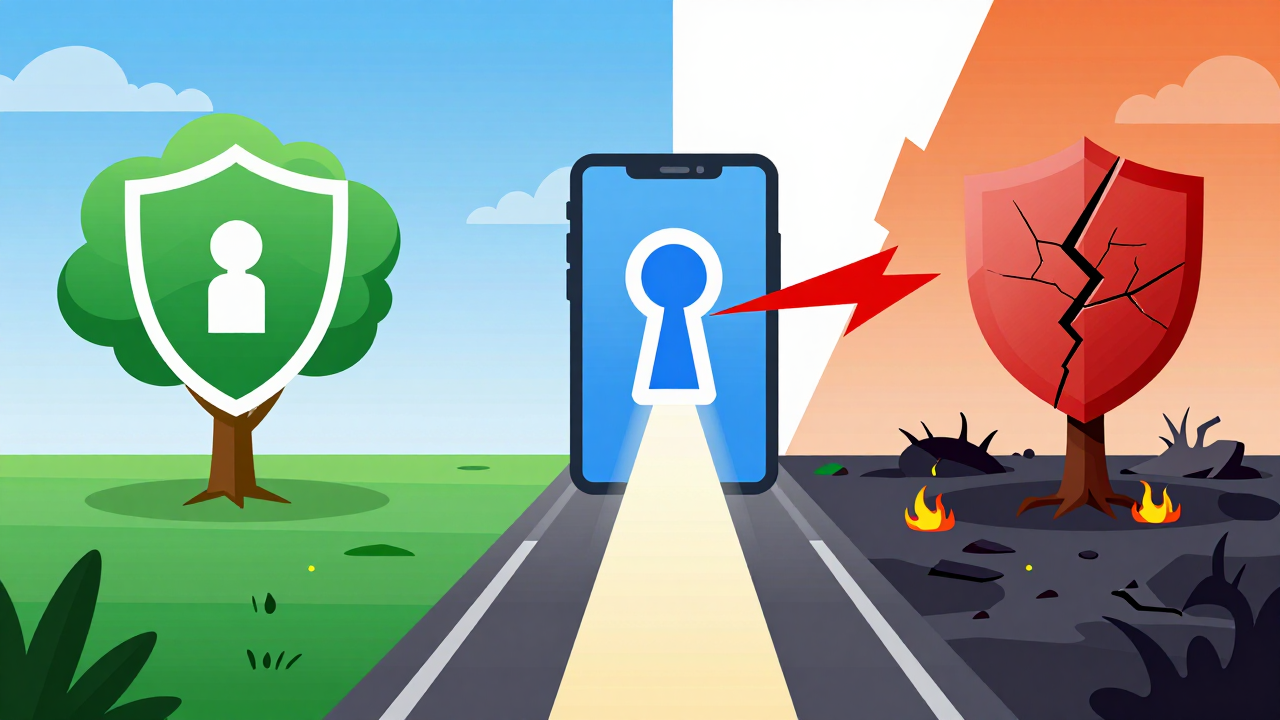
This case is a wake-up call for every cross-border operator: verification tools aren't just "good enough to work" utilities—they directly impact the safety of your account assets. In 2026, algorithms are increasingly sophisticated at detecting device fingerprints and number associations. One dirty number can compromise every account on your entire IP range.
My advice? No matter which online SMS verification service you're considering, start small. Test 10–20 codes, register a few low-priority accounts, and monitor their survival rate for a week. If even your test accounts don't survive three days, switch platforms immediately. Don't hesitate.
How to Evaluate Whether an SMS Verification Platform Is Reliable
Based on the current industry landscape in 2026, here are practical criteria you can apply right away:
- Check if number origin is filterable: Reliable platforms let you select numbers by country or even by carrier, rather than randomly assigning you a number that could be from anywhere.
- Check for number retention services: Some scenarios—like binding payment accounts—require a number to remain active long-term rather than being disposable. In 2026, many platforms offer monthly retention plans, but pricing varies significantly, so do the math carefully.
- Check customer support response time: Failed verifications and delayed codes are normal occurrences. If support takes forever to respond, your registration flow gets stuck. From my testing, any platform with response times exceeding 5 minutes is not worth your time.
- Check for clear compliance statements: This matters more than ever in 2026. Legitimate platforms clearly outline how their numbers can and cannot be used, rather than nudging you toward shady operations.
For what it's worth, platforms like Getfollow have built a solid reputation in the industry by using self-built number pools combined with strict risk-control filtering. They won't promise a 100% approval rate, but they'll at least be transparent about a number's usage history so you know the risk before registering. That "laying the cards on the table" approach is far more trustworthy than flashy platforms that overpromise and underdeliver.
Potential Risks of SMS Verification Services and How to Mitigate Them
Risk 1: Account association bans. If you use the same device and network environment to rapidly switch between different verification numbers on the same platform, you'll likely be flagged for batch operations. The fix is simple: clear your browser cache before registering, or use an anti-detect browser to ensure each account operates in an isolated environment.
Risk 2: Delayed or missing verification codes. In 2026, many platforms have strengthened filtering on SMS channels, which has noticeably reduced delivery rates for virtual number segments. Industry consensus is that a stable 85%+ delivery rate qualifies as a top-tier platform. If a code is delayed, don't spam the resend button—wait 60 seconds and try again. If three consecutive attempts fail, switch numbers immediately rather than stubbornly persisting.
Risk 3: Number recycling. Some platforms re-inject expired numbers into their pool to cut costs. If that number was previously bound to a platform account, using it to register a new account could result in verification failure at best, or an "account anomaly" flag at worst. Always choose platforms that commit to number uniqueness, even if it costs a bit more.
Final Thoughts: Test First, Scale Later
The cross-border landscape in 2026 rewards caution over recklessness. An online SMS verification service is just a tool—used well, it accelerates your business growth; used poorly, it becomes the trigger for mass account failures. Whichever provider you ultimately choose, even one with a relatively stable reputation like Getfollow, I recommend starting with a small batch to confirm number quality before scaling up. Account assets, once destroyed, are nearly impossible to recover.
If you have other questions about choosing a verification service, drop them in the comments. I'll share practical recommendations based on real operational experience from 2026.
Frequently Asked Questions
What is the best online SMS verification service for cross-border business?
There's no single "best" option—it depends on your use case. For most cross-border sellers, platforms with self-built number pools and transparent usage histories (like Getfollow) tend to offer the most consistent results. Always test a small batch before committing.
Can I use free SMS verification services for platform registration?
Free services are almost always a bad idea for business accounts. Their numbers are heavily recycled, frequently blacklisted, and rarely support retention features. You'll likely waste more time troubleshooting failed verifications than you'd spend on a paid service.
How much does an online SMS verification service cost in 2026?
Pricing varies widely by platform and number quality. Budget-friendly options start around a few cents per code, while premium numbers with retention capabilities can cost several dollars per month. As a rule of thumb, if a price seems too good to be true, the number quality probably matches.
Is using an SMS verification service legal?
Using these services is generally legal, but it may violate the terms of service of specific platforms. Always review the platform's policies and use verification services within their intended boundaries. Reputable providers will be transparent about acceptable use cases.
Why do my verification codes keep failing to arrive?
Delivery failures typically stem from three causes: the number is blacklisted or flagged, the platform's SMS filtering is blocking virtual numbers, or the number has been recycled from a previous user. Try switching to a different number segment or a premium number with a cleaner history.