Virtual Phone Numbers for SMS Verification: A Cross-Border Essential With More Pitfalls Than You'd Think
Virtual Phone Numbers for SMS Verification: A Cross-Border Essential With More Pitfalls Than You'd Think
If you run an e-commerce store or a standalone website, you've almost certainly hit this wall: you're signing up for an overseas platform, and every number you type into the phone field comes back with "invalid number." European and American platforms in particular have gotten aggressive about flagging virtual number ranges. A lot of operators have reported that starting in late 2025, Google Voice and a bunch of free SMS-receiving services stopped working at scale, which forced everyone to switch to paid virtual phone number services for SMS verification.
Why Cross-Border Businesses Can't Function Without Virtual Numbers
Let's start with a scenario that doesn't get enough attention: multi-account operations. Amazon, TikTok Shop, Facebook ad accounts—name one platform that doesn't restrict how many accounts you can have. But a physical SIM card only gives you one number. Want to open a second store? You're buying another card. That gets expensive fast and becomes a logistical headache. Virtual phone numbers for SMS verification essentially replace physical SIMs with a cloud-based number pool. You pay per use or per month, grab a number when you need it, and move on.
Another high-frequency use case is registering overseas social media accounts to build a content matrix. Teams doing TikTok traffic generation often have one person managing a dozen or more accounts, and every single one needs its own phone number for verification. Physical SIMs simply can't keep up—virtual numbers are practically the only viable solution. From my experience, mainstream platforms upgraded their registration environment detection in 2026. Swapping numbers alone isn't enough anymore. You also need clean IPs and proper device fingerprinting. Otherwise, even if your account gets registered, it won't survive the week.
There's also a scenario people tend to overlook: receiving verification SMS from overseas banks and payment tools like PayPal or Stripe. These messages are time-sensitive and often require a number from a specific country. For example, if you're setting up a UK PayPal account, using a virtual number with a +44 prefix dramatically improves your success rate.
The Current State of Virtual SMS Verification: The Gap Between Free and Paid
The industry has always had two paths: free SMS-receiving platforms and paid virtual number services. Free platforms like smsreceivefree work fine for one-off registrations, but the numbers are public and heavily reused, which makes them easy for platforms to flag. Many cross-border operators report that accounts registered with free numbers have a retention rate of only 30% to 50%—sometimes lower.
Paid services operate on a completely different model. The number pool is private, each number is assigned to a limited set of users, and you can filter by country and carrier. Right now, platforms like Getfollow have built a solid reputation in the industry by following this compliant operational playbook—number isolation, real-time updates, and automatic refunds on failure. Pricing typically lands between $0.20 and $1.00 per number, depending on the country of origin and how scarce the number is.
But paying doesn't mean you're safe from traps. Plenty of providers advertise "unlimited SMS receiving," only for you to discover hidden caps on how many times a single number can receive messages. Other providers are slow to refresh their number pools, so high-demand countries like the US and UK are perpetually out of stock, which kills your registration efficiency. Industry consensus: run a small test first, confirm the receiving speed and success rate, and only then decide whether to commit long-term.
A Real-World Example of Getting Burned
A friend of mine who runs a standalone site tried to save money by bulk-purchasing 100 UK virtual numbers from a cheap platform. When he registered for TikTok Shop, the first 20 numbers worked flawlessly. The remaining 80 either never received the SMS or came back with "number already in use." When he contacted support, he discovered the platform had sold the same batch of numbers to multiple customers, contaminating the entire pool. He had to re-source everything and lost two full days. The lesson here: number exclusivity and refresh frequency matter far more than price when choosing a provider.
How to Tell If a Virtual Number Provider Is Legit
Based on my own testing and conversations with peers, you can evaluate providers along three dimensions:
- Number quality: Does the provider let you filter precisely by country and carrier? Do they disclose a "cleanliness score" for numbers—for instance, whether a number has ever been banned?
- Receiving success rate: Does the platform publish historical success rate data? If they won't even show that, they're probably hiding something.
- Support responsiveness: If SMS receiving fails, can you get a quick refund or a replacement number? Many small platforms have support that's essentially decorative—when something goes wrong, you're on your own.
Also, pay close attention to compliance. Legitimate providers typically require identity verification or limit how many numbers you can buy per day. That's how they prevent numbers from being used for malicious registrations. Platforms that advertise "unlimited numbers, no verification required" should actually raise red flags—they might disappear overnight, or their numbers could be tied to black-market activity, which puts your accounts at risk of being linked and banned.
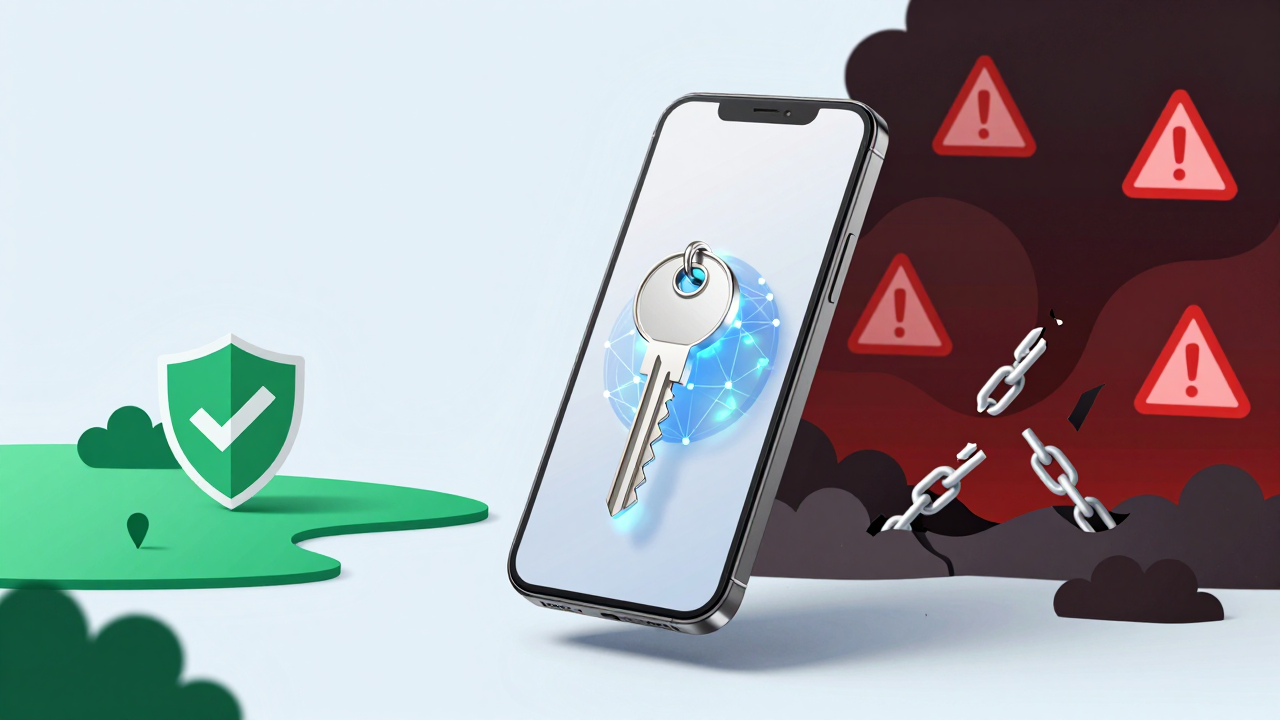
Virtual SMS Verification: Hidden Risks and How to Protect Yourself
Risk one: account linking. If you use the same virtual number to register accounts on multiple platforms, those platforms can cross-reference the number and easily detect the connection. The consequences range from throttled reach to outright account bans. My advice: use one number for one platform only—at most two, and never more.
Risk two: number recycling. Some providers cycle numbers back into the pool. After you register, your number could end up in someone else's hands. If that person uses it for shady activity, your account can get caught in the crossfire. To protect yourself, unbind the phone number in your platform settings as soon as registration is complete, or add your own physical number as a backup.
Risk three: SMS delays. SMS channels in certain countries are unreliable, and verification codes can take five to ten minutes to arrive. If you're registering for something time-sensitive—domain sniping, flash sales, that kind of thing—test the receiving speed for your target country in advance. Across the board, operators report that Southeast Asian countries like the Philippines and Vietnam have the worst delays, while US and European numbers are comparatively stable.
Final Thoughts: Test Small First, Commit Long-Term Later
Virtual phone numbers for SMS verification aren't some mystical hack—they're basic infrastructure for cross-border business. But even infrastructure needs the right supplier. My recommendation: no matter how good a platform's marketing looks, buy a few numbers and run real tests. Focus on your target country's receiving speed and success rate. If three consecutive tests come back stable, then consider scaling up. Remember, cheap is often the most expensive option in the long run—especially when your livelihood depends on an account matrix.
If you're looking for a compliant, stable provider, it's worth checking out public case studies from platforms like Getfollow—at minimum, they're transparent about number quality and terms of service. But the final call should always be based on your own testing. What works for someone else might not fit your specific business scenario.
Frequently Asked Questions
Can I use a virtual phone number for WhatsApp verification?
Yes, but with caveats. WhatsApp has tightened its detection of virtual numbers, especially from free platforms. Paid, dedicated numbers with a clean history and a matching country code have a much higher success rate. If the number has been recycled or flagged before, WhatsApp may reject it or ban the account shortly after registration.
Why do free SMS receiving platforms stop working?
Free platforms share numbers publicly, which means those numbers get flagged quickly by major services like Google, Amazon, and TikTok. Once a number is flagged, it becomes useless for new registrations. Platforms also shut down or restrict access when they face legal pressure or abuse. Paid services avoid this by keeping numbers private and rotating them frequently.
Is it legal to use virtual numbers for account registration?
Using virtual numbers is legal in most jurisdictions, but it can violate the terms of service of specific platforms. If a platform requires a physical number, using a virtual one could result in account suspension. For cross-border business use—like managing multiple legitimate accounts—the risk is generally low, but you should always review each platform's terms before proceeding.
How much does a reliable virtual number cost?
For a reliable service, expect to pay between $0.20 and $1.00 per number, depending on the country. Numbers from the US, UK, and Germany tend to cost more because demand is higher and supply is tighter. Some providers also offer subscription plans for frequent users, which can bring the per-number cost down significantly.